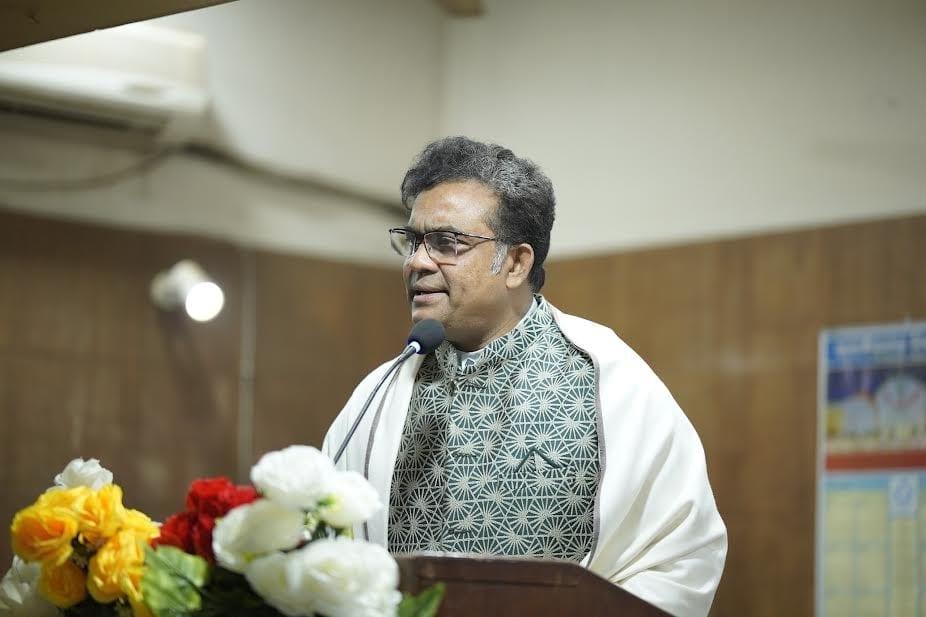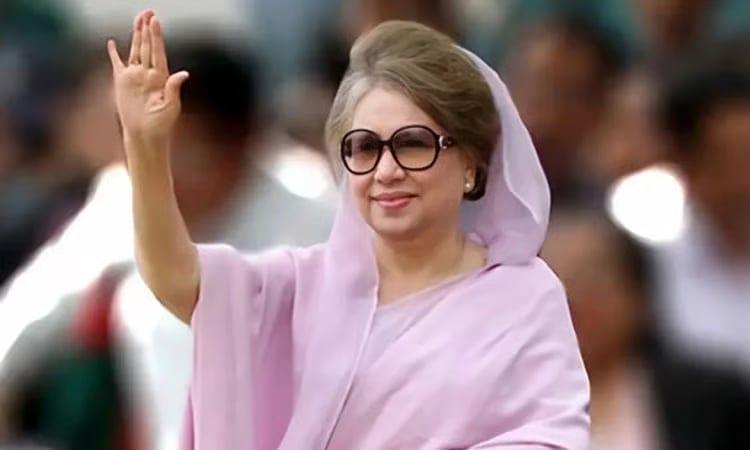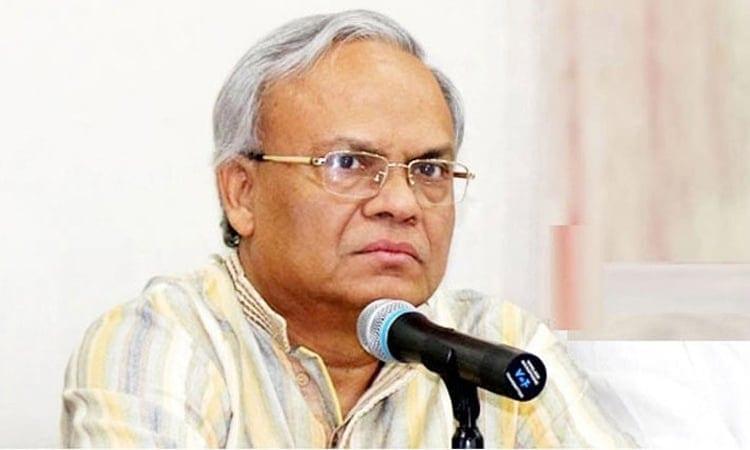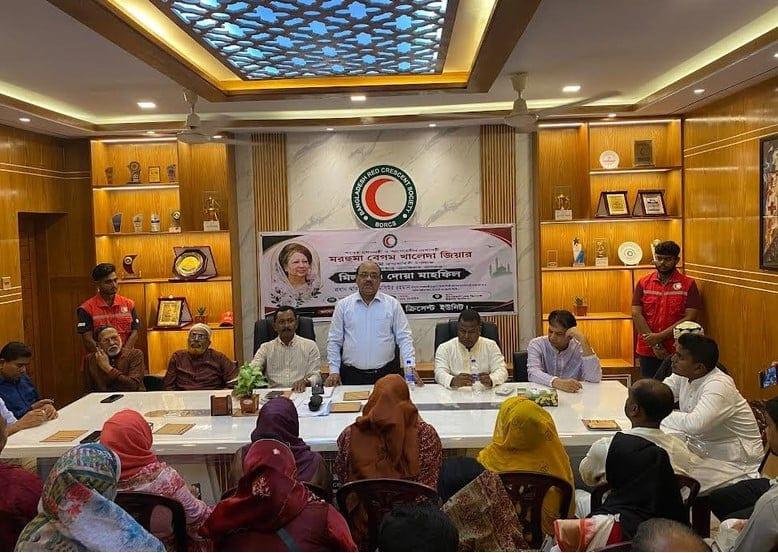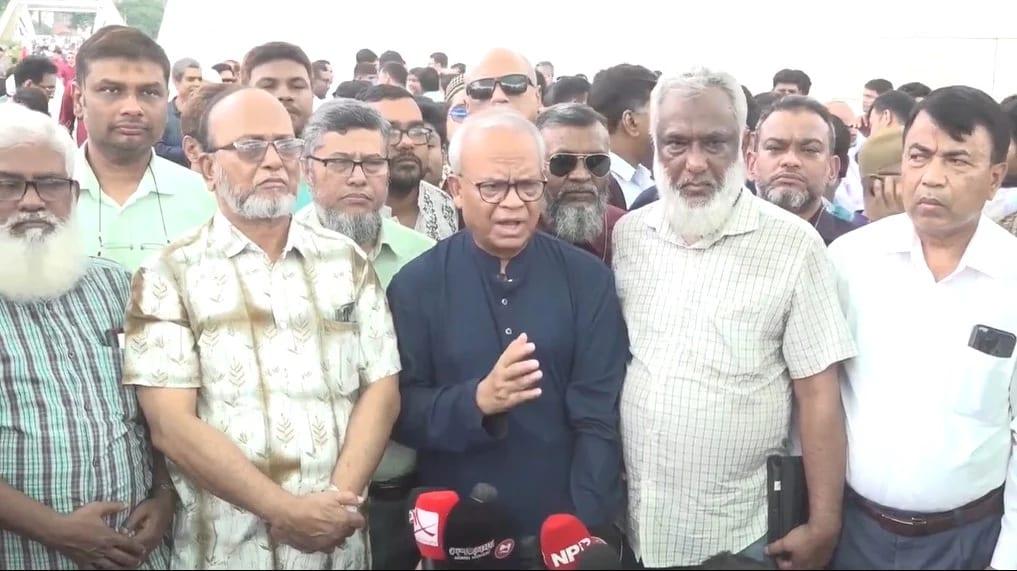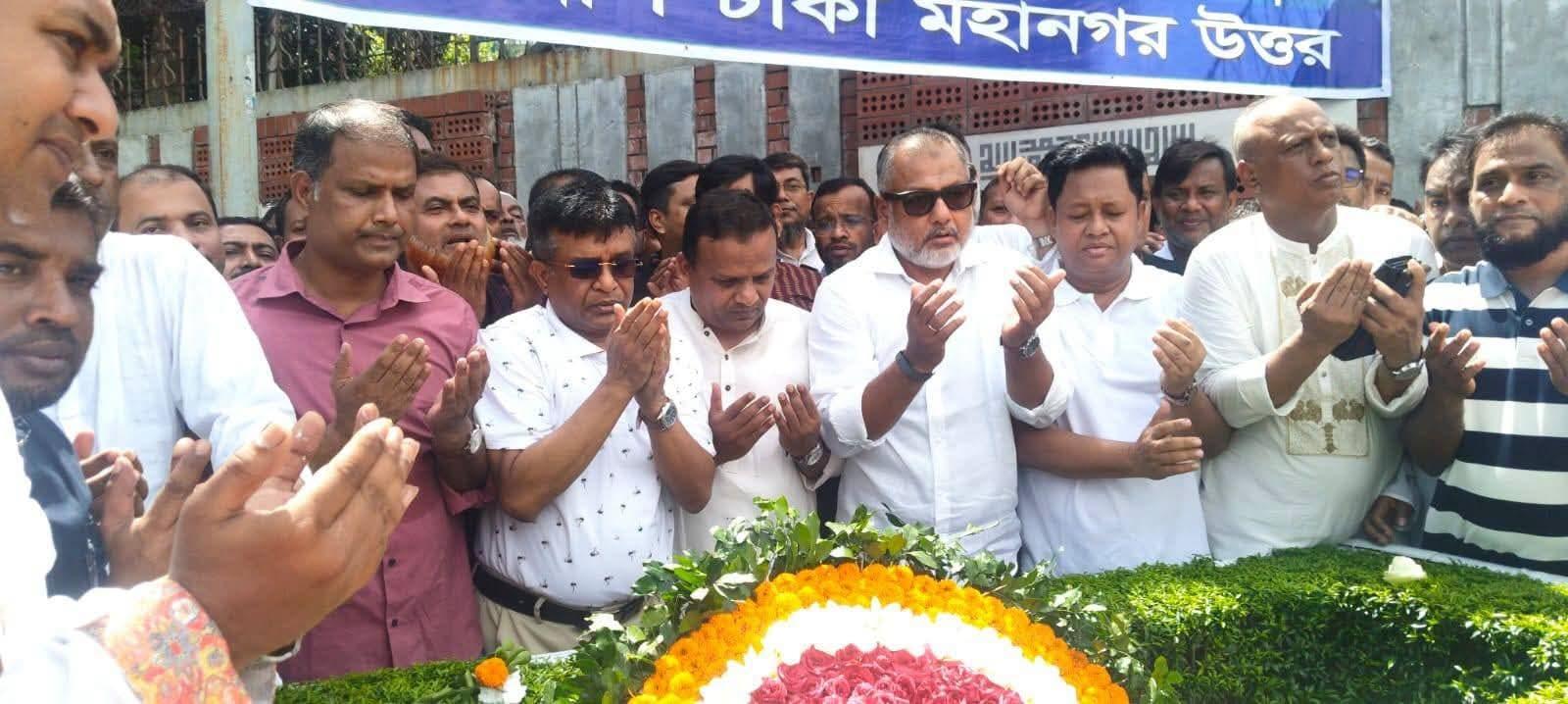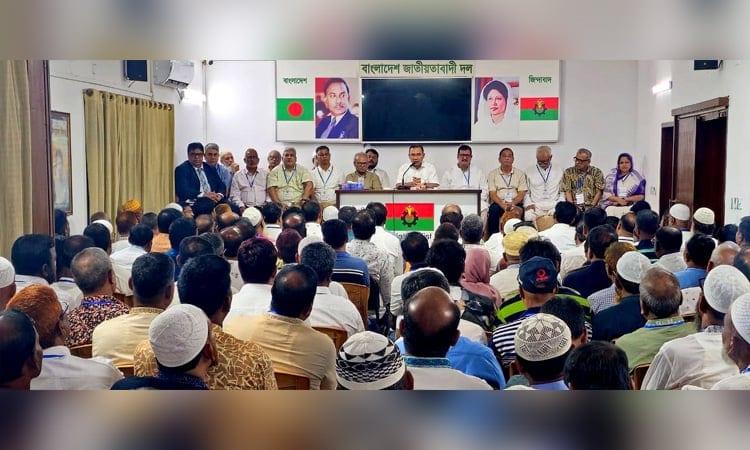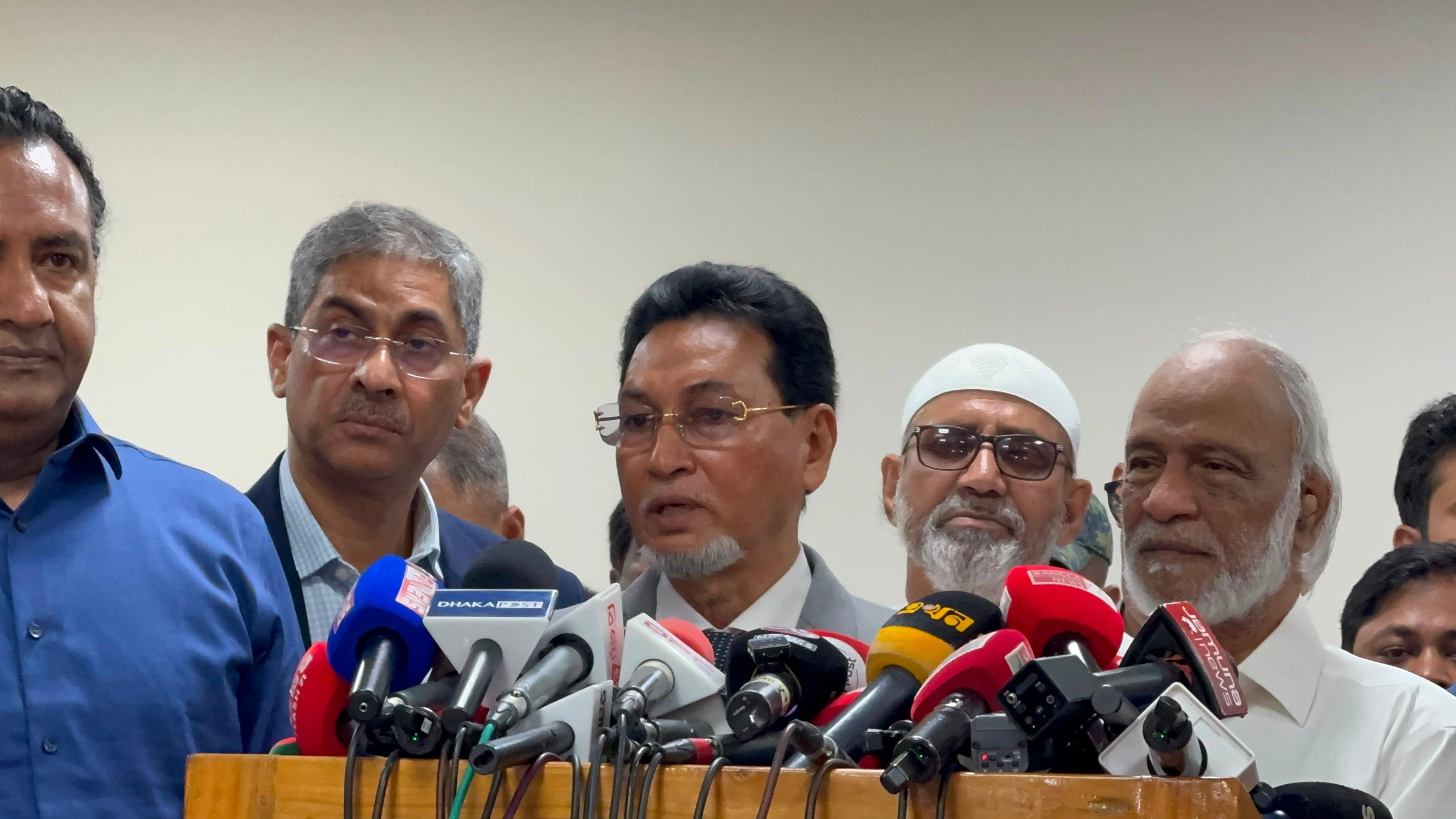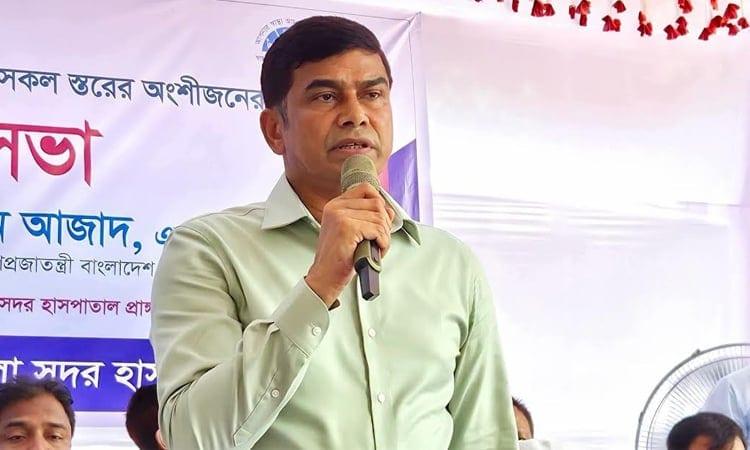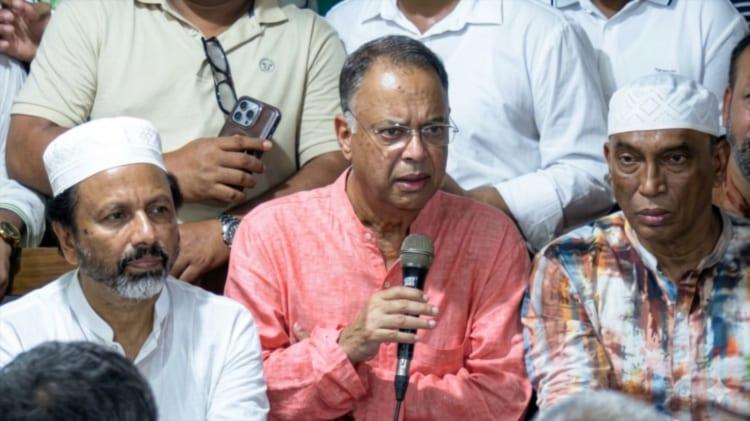
Power, Energy and Mineral Resources Minister Iqbal Hasan Mahmud Tuku has stated that BNP leaders and activists fought and struggled against ousted leader Sheikh Hasina for 17 years under the leadership of Begum Khaleda Zia. Tuku made these remarks at a doa and milad mahfil organized by Sirajganj District BNP, seeking eternal peace for former Prime Minister Begum Khaleda Zia, marking her 82nd birthday.
During the event, Tuku urged the people to pray for the eternal peace of Begum Khaleda Zia, noting the suppression faced under the previous Awami regime. He claimed that Hasina had sent Zia to prison through a conspiracy and subjected her to'slow poisoning' in prison, which he believes led to her death.
The event was attended by several key figures from Sirajganj District BNP, including Vice-President Nazmul Hasan Talukder Rana, General Secretary Saidur Rahman Bachchu, Joint General Secretaries VP Shamim Khan and Rashedul Hasan Ranjan, Organizing Secretary Abu Saeed Sweet, District Jubo Dal Convener Abdullah Al Kayes, and leaders of affiliated and associate organizations.
Begum Khaleda Zia, a significant political figure in Bangladesh, served as Prime Minister twice and led the Bangladesh Nationalist Party (BNP). Her rivalry with Sheikh Hasina, leader of the Awami League, has been a central theme in Bangladeshi politics for decades. Zia's political career has been marked by periods of imprisonment and exile.
The Bangladesh Nationalist Party (BNP) and the Awami League have alternated in power, with both parties having substantial influence over the country's political landscape. The relationship between the two parties has often been contentious, marked by allegations of corruption, political persecution, and authoritarianism.
The remarks by Minister Tuku reflect the ongoing political tensions and the deep-seated animosity between the BNP and the Awami League. The struggle mentioned by Tuku underscores the long-standing political conflict in Bangladesh, which continues to shape the nation's political discourse and governance.
The significance of this event and Tuku's statements lies in the continued relevance of Begum Khaleda Zia's legacy within the BNP and the broader political context of Bangladesh. The political rivalry and the historical grievances highlighted by Tuku remain pertinent as Bangladesh navigates its political future.