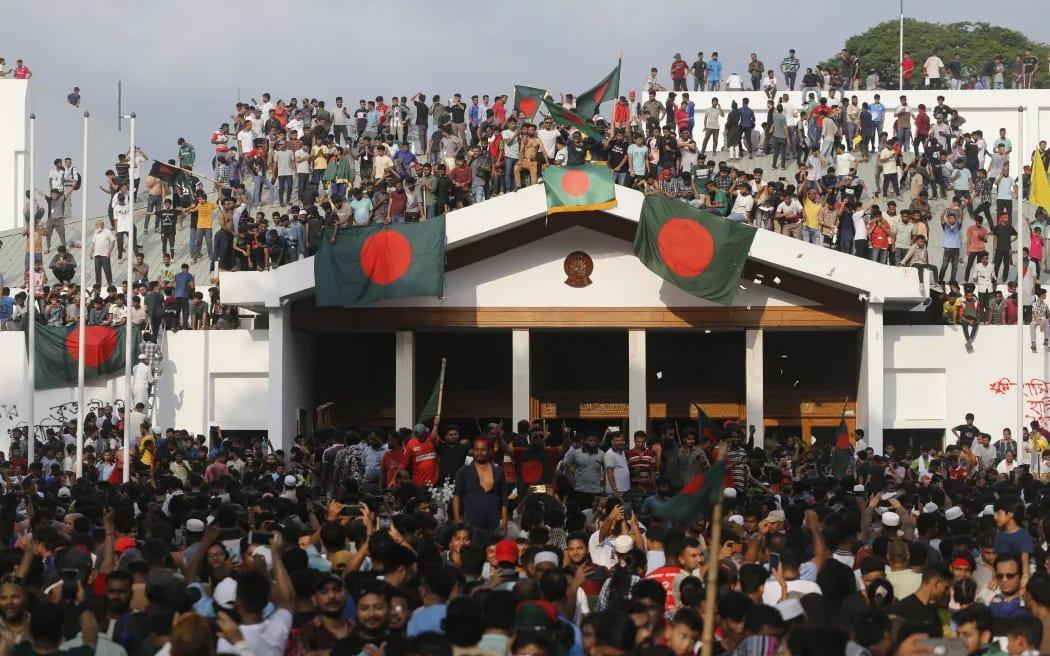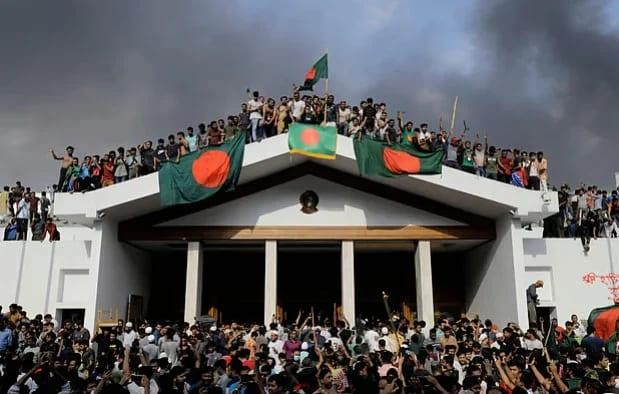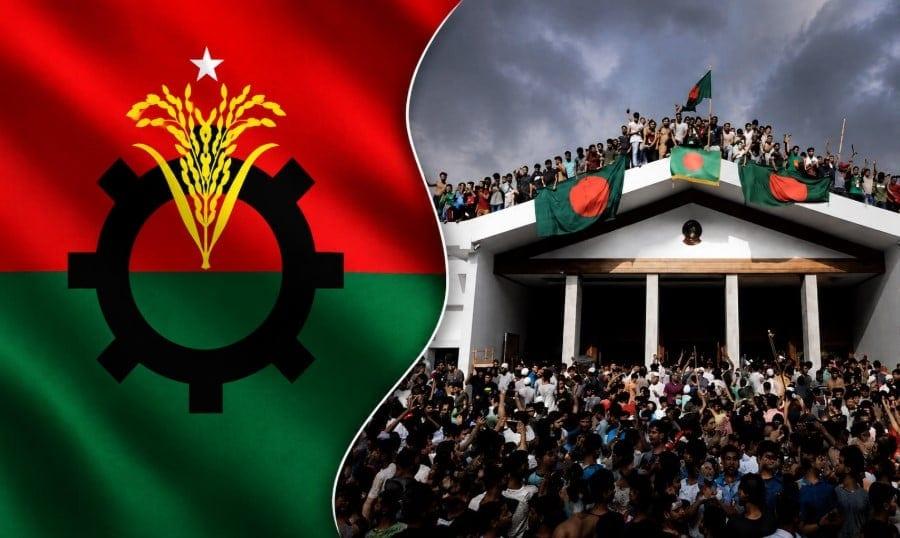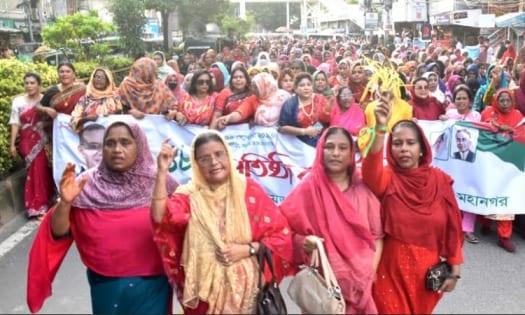
August 5, 2026, marks a pivotal moment in Bangladesh's political history as a massive student-led and public uprising culminated in the resignation and departure of Prime Minister Sheikh Hasina, ending her nearly 16-year rule. The dramatic political change followed weeks of nationwide protests, hundreds of reported deaths, thousands of injuries, and unprecedented public mobilization. Initially centered on quota reform in government jobs, the movement rapidly expanded into a nationwide campaign demanding Hasina's resignation.
The Road to Resignation
The protests began as a student movement demanding reform of the quota system in government recruitment. After a High Court verdict reinstated the quota system, students argued it would deprive meritorious candidates of fair opportunities and launched demonstrations for a merit-based system. The movement gained momentum following allegations of excessive use of force by law enforcement and mounting casualties, transforming it into a nationwide anti-government campaign.
A Nation in Turmoil
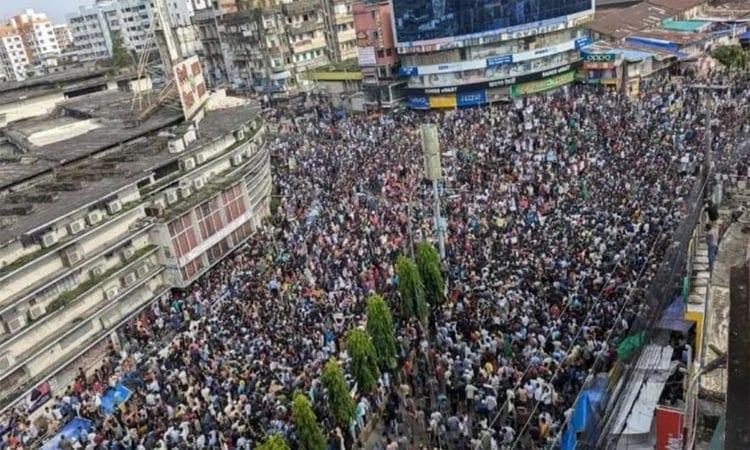
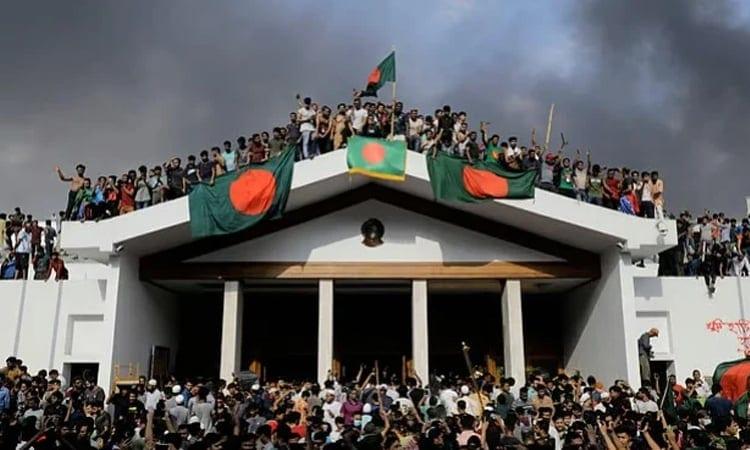
As tensions escalated, student leaders called for accountability over the killings during the demonstrations and demanded Sheikh Hasina's resignation. Despite curfew restrictions and security checkpoints, hundreds of thousands of protesters converged on Dhaka on August 5. Facing mounting public pressure, Sheikh Hasina resigned as prime minister and left the country, marking the end of the Awami League's uninterrupted tenure since 2009.
The day of Hasina's resignation was both a moment of victory and tragedy. While millions celebrated the fall of the Awami League government, August 5 also witnessed some of the bloodiest violence of the movement. Clashes and police actions reportedly left hundreds dead and many more injured across the country. Even after Hasina's departure, violence continued in several parts of Bangladesh.