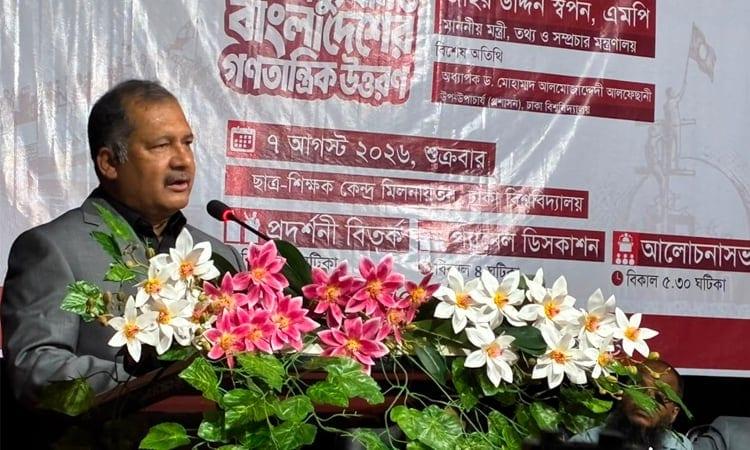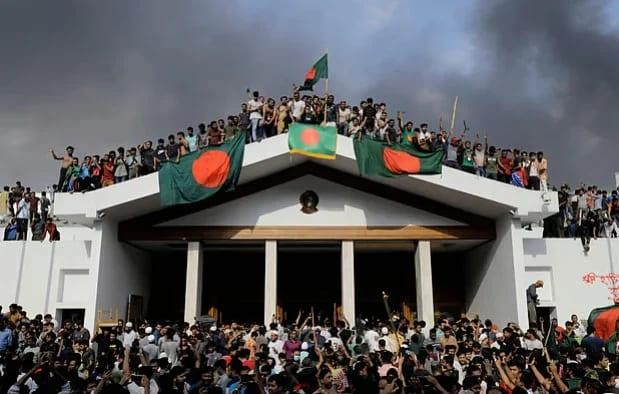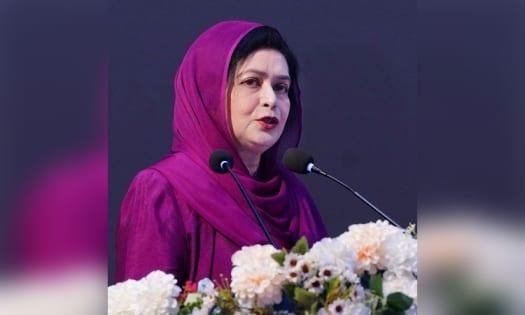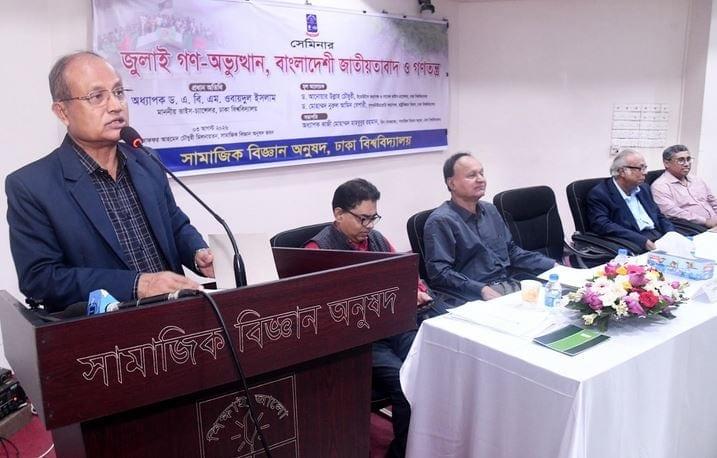
Dhaka University Vice-Chancellor Professor Dr. A B M Obaidul Islam has described the July uprising as a crucial milestone in Bangladesh’s democratic journey, stating it symbolizes the enduring spirit of public resistance against autocratic rule and oppression. Speaking at a seminar organized by the Faculty of Social Sciences at Dhaka University, Professor Dr. A B M Obaidul Islam emphasized that the historic movement demonstrated that autocratic regimes cannot endure by ignoring public will, stifling free speech, and employing state repression.
During his address at the seminar, Professor Dr. A B M Obaidul Islam noted that the July uprising, initially a protest for quota reform, evolved into a broader mass movement advocating for fundamental human rights and democracy. The participation of students from both public and private universities highlighted the youth’s awareness of the nation’s democratic future.
Professor Dr. A B M Obaidul Islam drew parallels between the July uprising and significant historical shifts, such as the fall of British colonial rule and Pakistani oppressors, to underscore that regimes that rely on oppression and deny democratic rights are destined to fail.
He also pointed to the downfall of oppressive regimes, including the events of August 5, 2024, as evidence of the enduring truth that respecting constitutional institutions, media freedom, and dissenting voices is essential for building a resilient state.
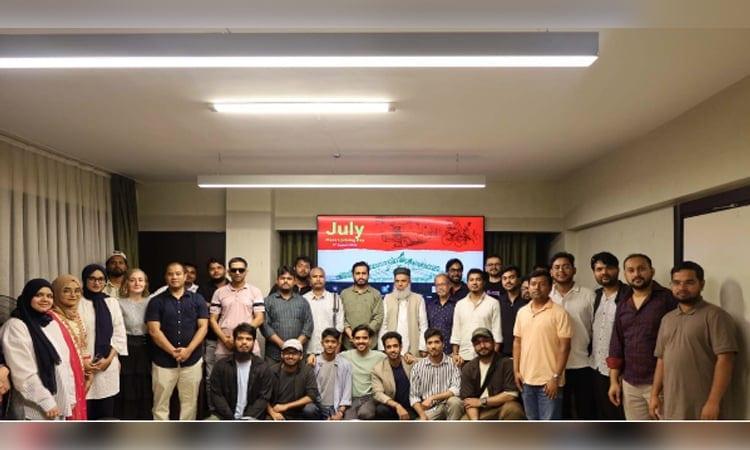
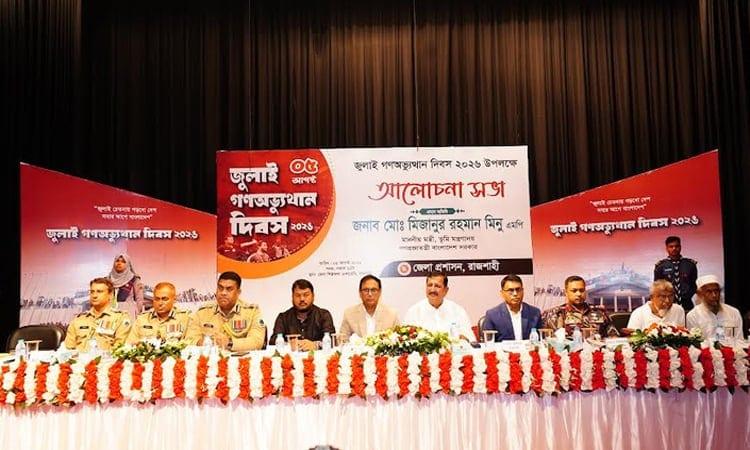
The seminar, which began with recitations from the Holy Quran, the national anthem, and a minute of silence in memory of the July movement martyrs, also featured firsthand accounts from students who participated in the protests. The event underscored the historical significance of the July uprising in shaping Bangladesh's democratic trajectory.