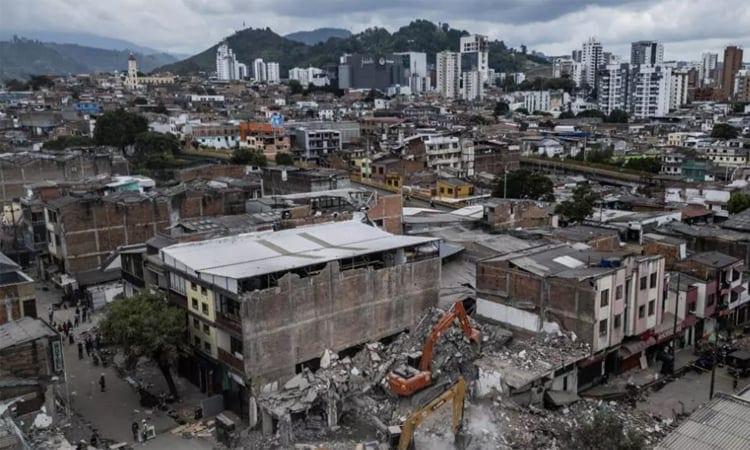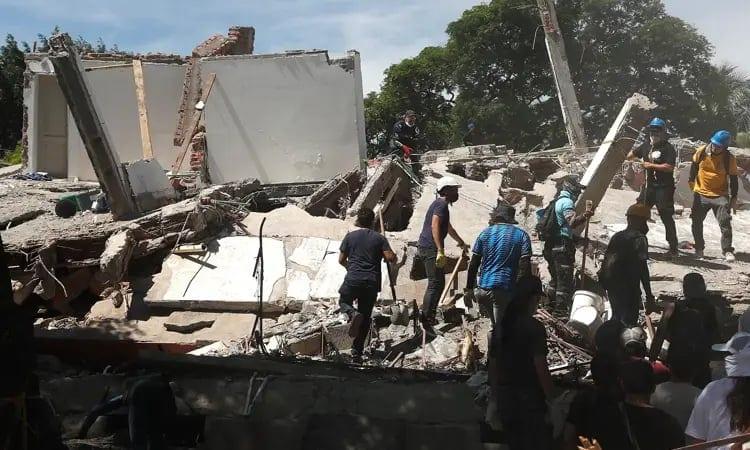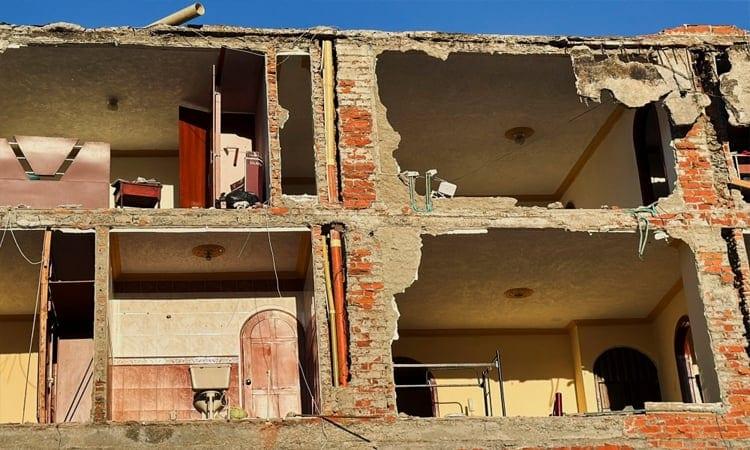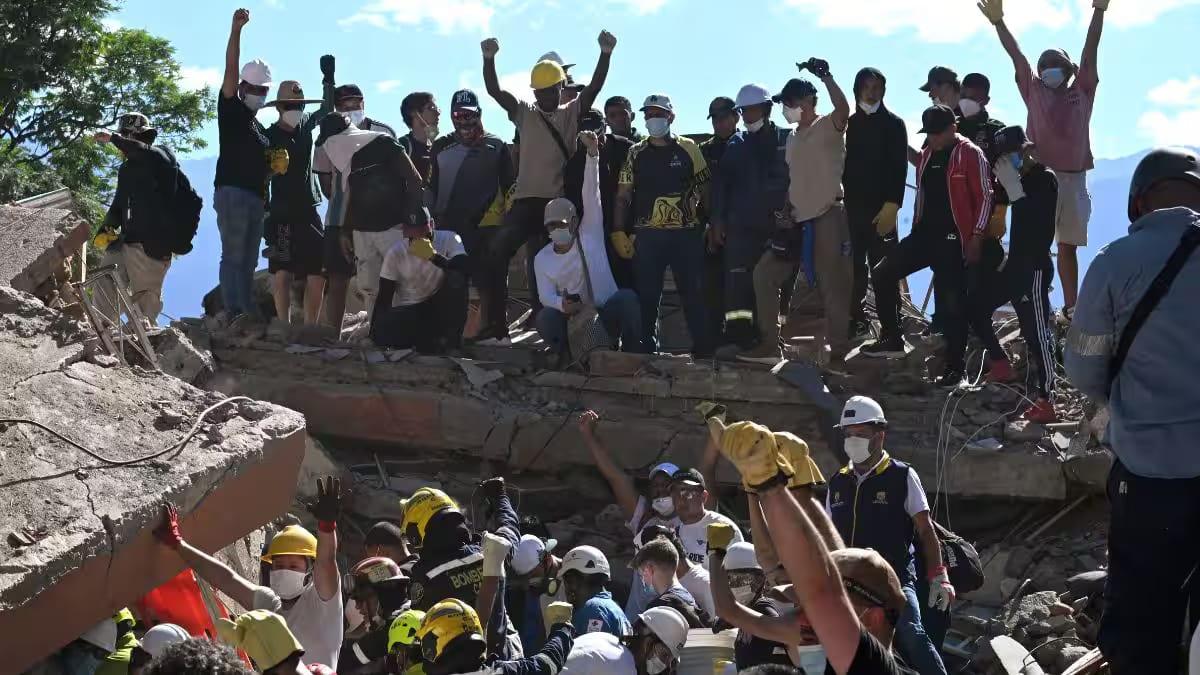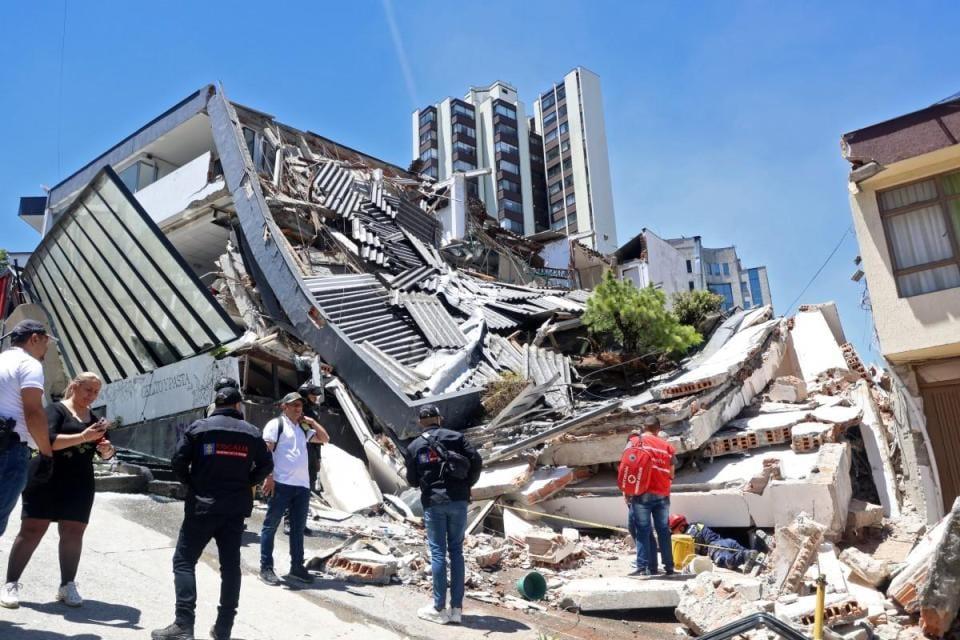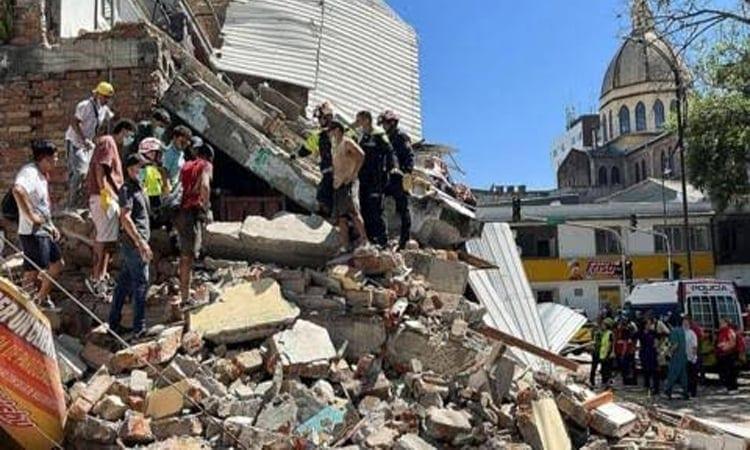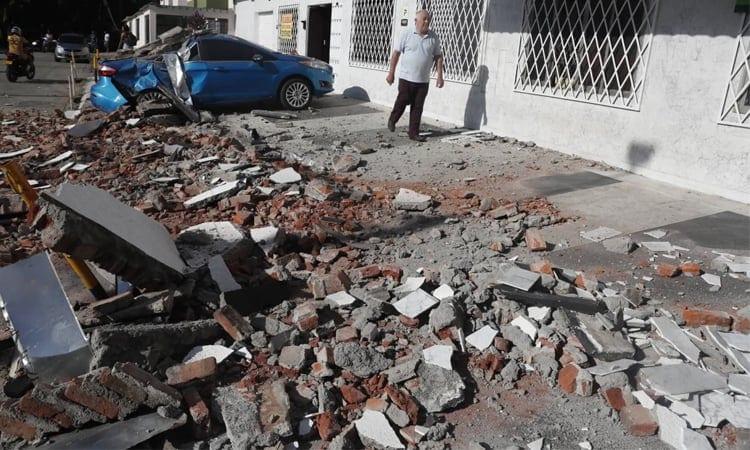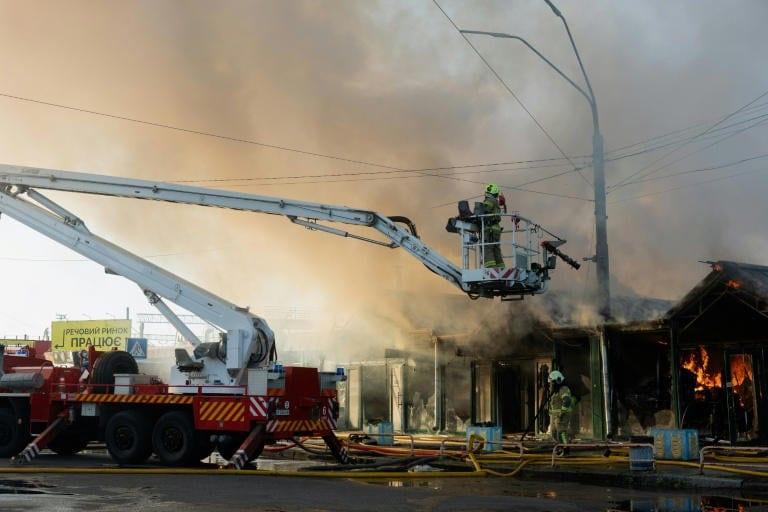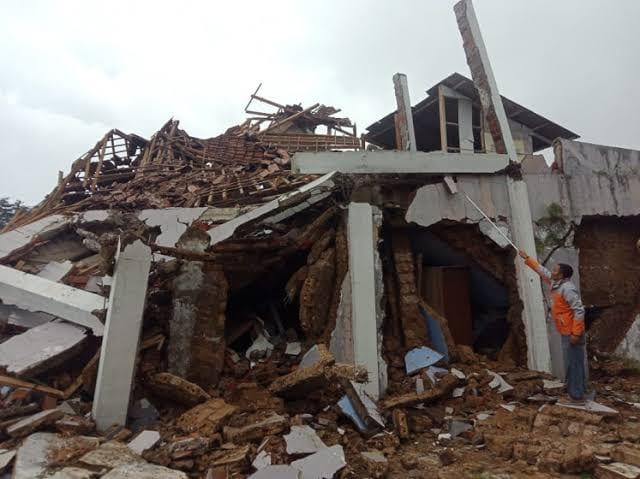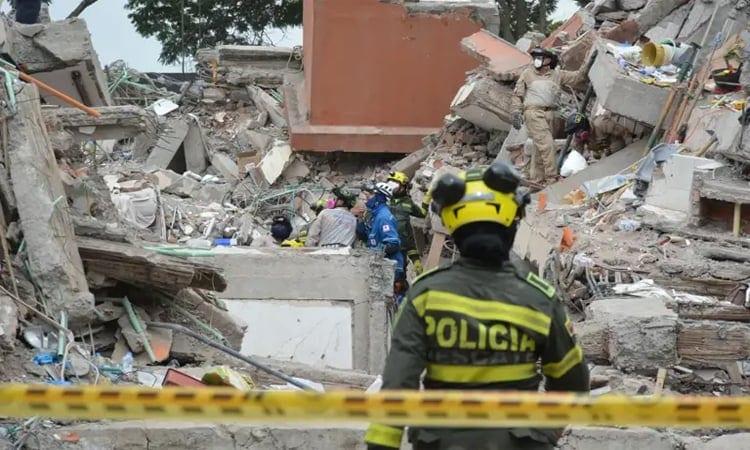
The noise of backhoes, cranes, and bulldozers echoes across Colombia's quake-hit cities as workers labor to remove rubble, though the chance of finding survivors is slim a week after the disaster. Last Monday's 7.4 magnitude earthquake killed nearly 300 people and destroyed thousands of buildings. At least 140 people remain missing, authorities said.
Devastating Impact
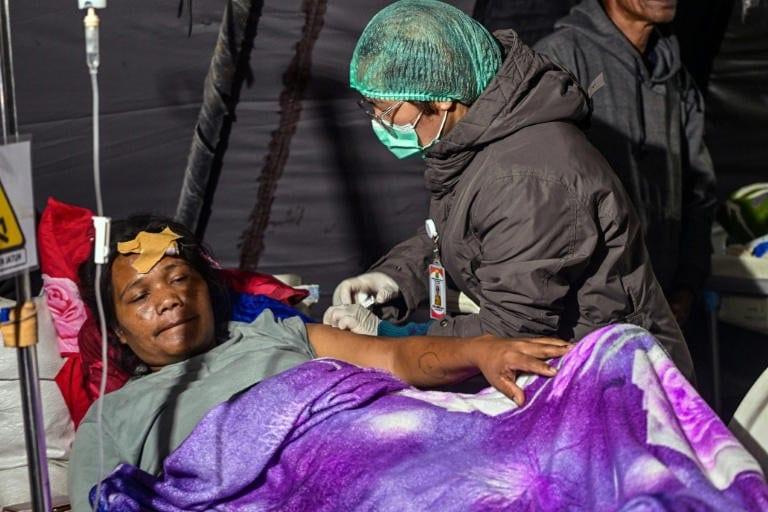
The earthquake has had a profound impact on Colombia, particularly in the hard-hit western city of Pereira. Andres Cano, a 30-year-old nursing student, acknowledged that the hope of locating survivors "is much lower now." The disaster has left nearly 27,000 homes destroyed, and many survivors have nowhere to go, sleeping on mattresses or makeshift beds outside.
Shelters have been set up with QR codes to help those affected report missing relatives or damage to their homes. In the hardest-hit cities, several buildings have been marked with a red "X" to warn of the risk of collapse and prohibit pedestrian access.
Government Response and Aid
The earthquake represents the first major test for the government of right-wing President Abelardo de la Espriella, who was sworn in just three days before the disaster struck. On Saturday, he asked his US ally, President Donald Trump, for a temporary suspension of tariffs to help his country.
Cali's mayor, Alejandro Eder, estimated that the reconstruction of Colombia's third-largest city will cost at least $3.2 billion. Colombia has received millions of dollars in aid from countries like the United States and organizations like the World Bank, but rebuilding will take time.
Volunteer rescuers, like Juan Carlos Tabares who leads a rescue team of volunteers called "Valentia," continue to search for survivors despite the low chances of finding anyone alive after 72 hours. "Although we've been told that several days have passed, we continue to search for lives because we want to keep hope alive," Tabares said.