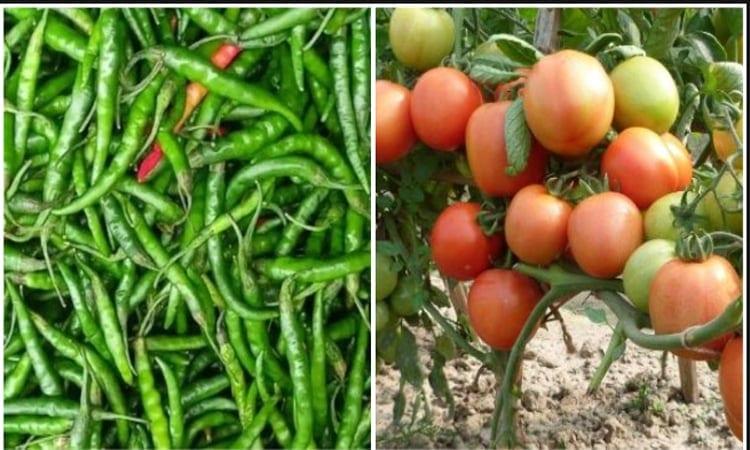
The Cabinet has approved a proposal to reduce the applicable duties and taxes on imports of green chilli and tomato. This decision aims to ensure an uninterrupted supply of these essential commodities and keep their prices affordable. Prime Minister Tarique Rahman chaired the meeting where the proposal, initiated by the Internal Resources Division, was approved. The measure is intended to stabilize prices and protect consumers' purchasing power.
Reduction in Tax Burden
Under the approved proposal, the overall tax burden on imports of green chilli and tomato will be reduced. Initially, it will drop from the existing 61 percent to 20.5 percent during the first month after the issuance of the relevant notification. In the following month, it will further decrease to 31 percent. This reduction is expected to make these commodities more affordable for consumers.
Reasons for the Decision
Green chilli and tomato are widely consumed essential agricultural commodities in Bangladesh. Their prices often rise sharply due to seasonal production, natural disasters, adverse weather, disruptions in supply chains, and production shortages. These factors create additional financial pressure on consumers. The government has taken this measure in the public interest to ensure a steady supply of the commodities in the market and keep their prices within an affordable range.
Impact on Consumers and Market
The reduction in import duties is expected to have a positive impact on consumers by stabilizing the prices of green chilli and tomato. It will also help in maintaining the supply of these essential commodities in the market. This move is crucial for ensuring food security and maintaining price stability of essential commodities.
Why This Matters for Bangladesh
The decision to reduce import duties on green chilli and tomato is significant for Bangladesh as it directly impacts the affordability and availability of essential commodities. By stabilizing prices and ensuring a steady supply, the government aims to protect consumers from the financial burden caused by price fluctuations. This measure is a step towards achieving food security and maintaining economic stability in the country.