The Pulse Today
BREAKING
Sajib Pledges Aid for 50,000 Flood-Affected People in SonargaonMP Azharul Islam Mannan Distributes Relief Funds to Needy Families in SonargaonParliament Proposes Anti-Gambling Bill with Maximum 7-Year Prison PenaltyOpenAI Unveils 'Schedule' Feature to Boost Task Management in AI ChatbotPrime Minister Tareq Rahman Arrives in Dalian, China for Economic ForumEurope Confronts Intense Heatwave; Conditions Predicted to DeteriorateGold Prices Rise Again in Bangladesh Amid Global Market IncreaseSpaceX's Nasdaq Debut Values Company at Over $2 Trillion, Surpassing AmazonStudy Reveals AI Data Centers Contribute to Local Temperature IncreasesNarayanganj BNP Youth Wing Holds Rally to Welcome New Central CommitteeIran and Oman Close to Hormuz Transit Deal, US Blockade Poses ChallengeFDA Approves Moderna's mRNA-Based Flu Vaccine for Adults Aged 50 and OlderStudy Shows Climate Change Doubles Risk of Extreme Wildfires in CanadaChilean President Kast Unveils Comprehensive Reforms to Tackle Organized CrimeAsian Stocks Mostly Decline Amid Renewed Pressure on Tech FirmsMessi Breaks Leagues Cup Record with Two Goals in Inter Miami's VictoryHouthi Rebels Attack Two Saudi Oil Tankers in Red Sea Amid BlockadeSouth Korean Police Raid Football Association Offices Amid Investigation into Coach AppointmentUS Temporarily Halts Avocado Imports from Mexico's Michoacan Over Security ConcernsRussia Refutes Allegations of Colombian Mercenary Involvement in Ukraine ConflictIran's President Masoud Pezeshkian Faces Communication Challenges with Supreme LeaderNewcastle Names Matthias Jaissle New Head Coach Post-Howe EraDeported African Migrants in Cameroon Pursue Legal Residency to Avoid RepatriationIran's President Highlights Communication Challenges with Supreme LeaderLeipzig-Halle Airport Drone Incident Deemed 'New Level of Danger'

Study Shows Climate Change Doubles Risk of Extreme Wildfires in Canada

A study reveals that human-induced climate change made the extreme wildfire conditions in Canada twice as likely.

By Staff Correspondent
Share
Climate change made Canadian wildfires twice as likely: study | International
BSS

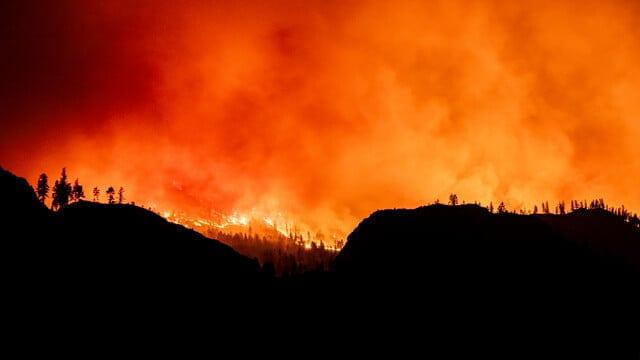
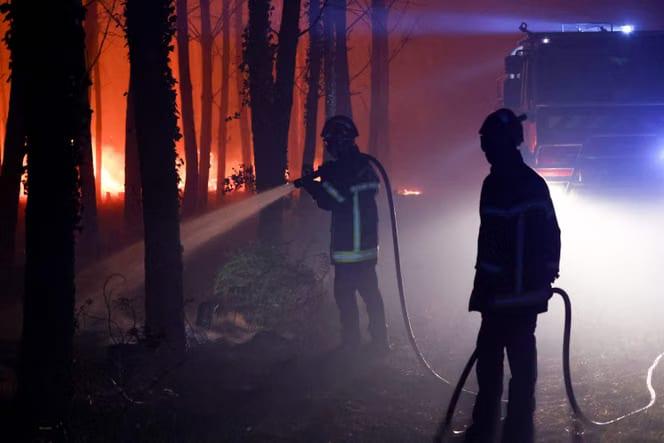
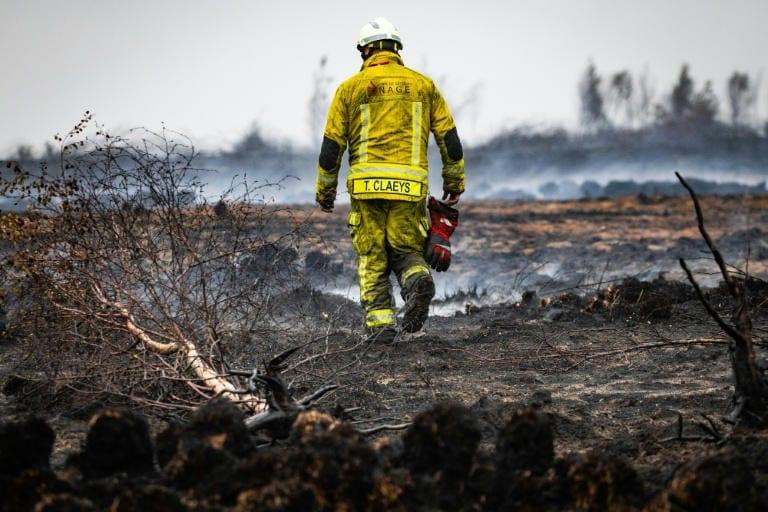
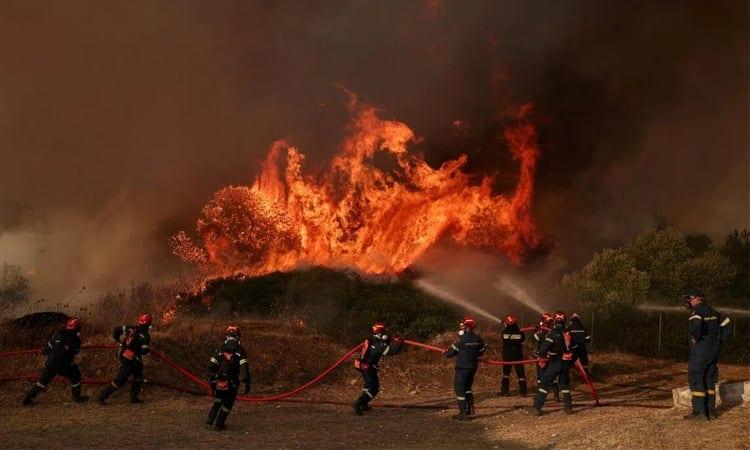
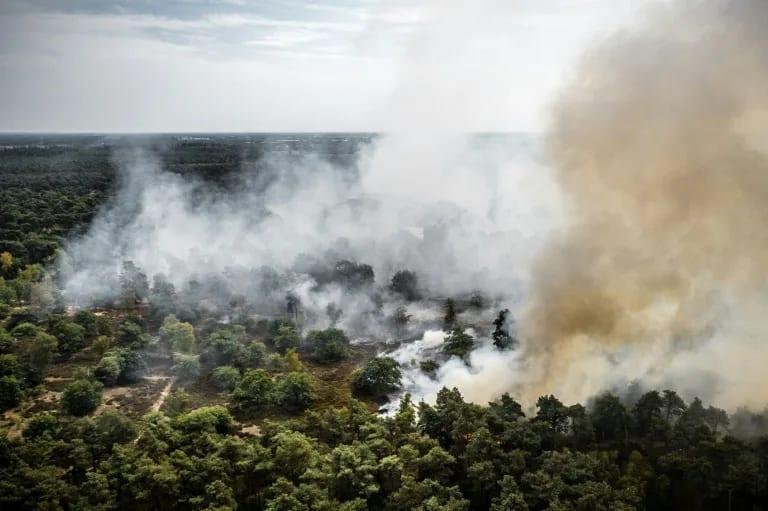
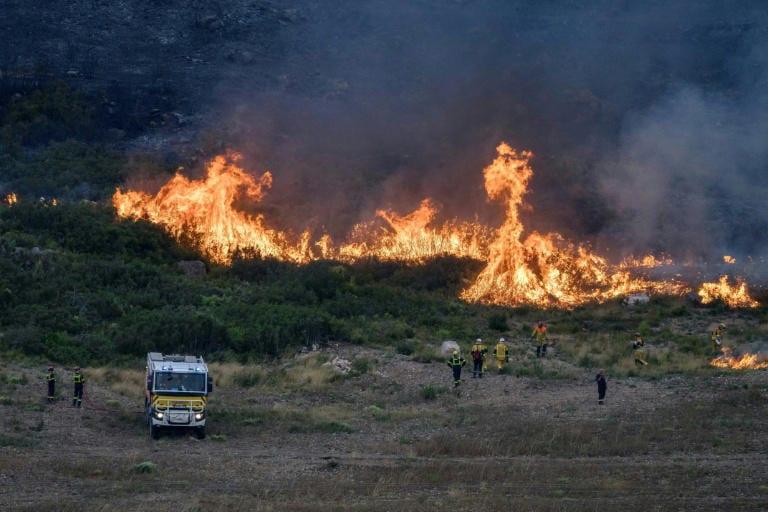
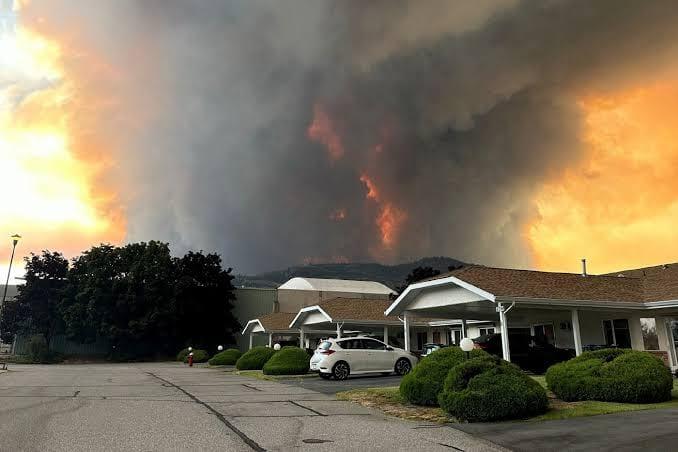
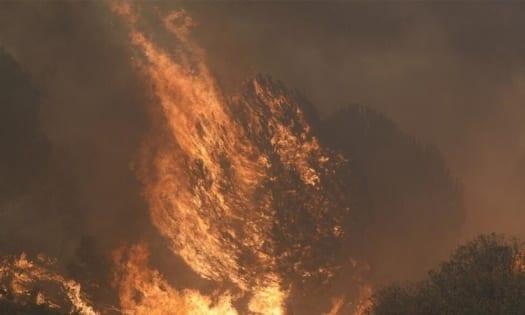
Climate change has significantly increased the likelihood of extreme wildfire conditions in Canada, making such events twice as likely as they would be in a world without global warming, according to a recent study. The research, conducted by the World Weather Attribution group, analyzed the impact of climate change on the prolonged hot and dry weather that has fueled the rapid spread of wildfires across the country, particularly in Ontario and the Northwest Territories. The study found that over 3.8 million hectares have burned so far this year, displacing thousands and exposing millions to dangerous smoke levels.

Researchers compared current climate conditions to a hypothetical world without the 1.4C of global warming since pre-industrial times. Their analysis focused on the most extreme periods of 'fire weather' in Ontario and the Northwest Territories, concluding that human-induced climate change made these events about twice as likely. In today's climate, such fire weather conditions are expected to occur every 2-6 years in the Northwest Territories and every 6-15 years in Ontario, compared to about every 40 years in a world without climate change.

The lead author of the study, Theodore Keeping of Imperial College London, emphasized that the scale and intensity of this year's wildfires are fundamentally different from previous years, despite preparedness from wildfire governance. Keeping stressed the need to rapidly transition away from fossil fuels to prevent such extreme events from becoming more common. The study highlights the vicious cycle of climate change, where increased heat, extended drought, and a 'thirsty' atmosphere enhance wildfire conditions, while wildfires release massive amounts of carbon dioxide, accelerating planetary warming.

The findings have broader implications, especially for regions like Bangladesh, which may face increased risks of extreme weather events as global temperatures continue to rise. Understanding these connections is crucial for developing effective adaptation strategies and mitigating the impacts of climate change.
Source: BSS

Topics

Comments

More in World

See all →

Latest stories