Western Europe has endured its hottest June-July period on record, according to the European Union's Copernicus Climate Change Service. This alarming development highlights the intensifying impact of climate change, leading to severe heat, drought, and wildfires throughout the region.
The Copernicus Climate Change Service, a key EU agency, reported that the average temperature during this period was significantly higher than any previous June-July. This heat wave has been attributed to the broader trend of rising global temperatures, exacerbated by human-induced climate change.
In addition to the land-based records, the service noted that July also saw the highest global average sea surface temperatures on record for that month, reaching 20.96 degrees Celsius. This surge in sea temperatures further underscores the urgency of addressing climate change.
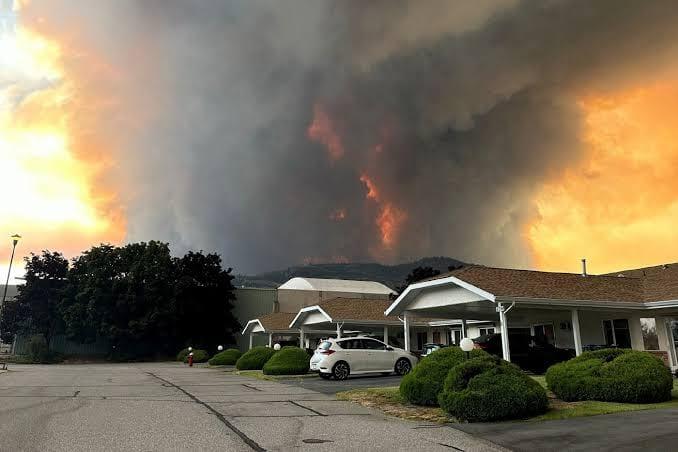
The consequences of this extreme heat have been dire, with prolonged droughts and devastating wildfires ravaging large parts of Western Europe. These events have not only impacted the environment but also posed significant threats to human health, infrastructure, and economies.
The recent heat wave in Western Europe serves as a stark reminder of the global nature of climate change. While the region has experienced the brunt of these record temperatures, similar trends are being observed worldwide, raising concerns about the future of global climate stability.