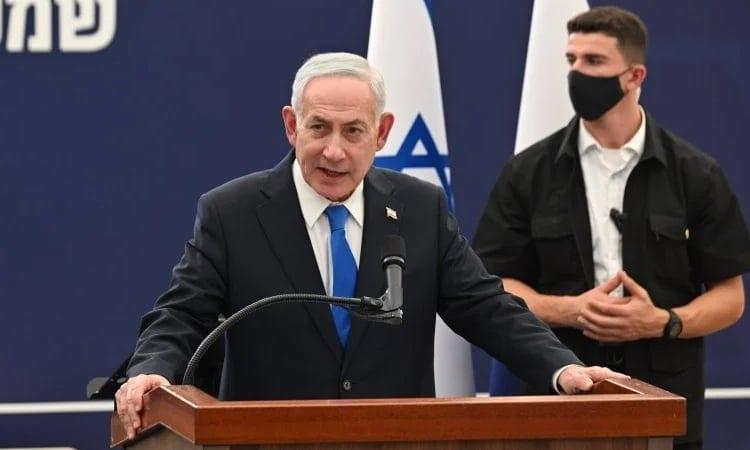
Israeli Prime Minister Benjamin Netanyahu has rejected a US-led Gaza peace plan endorsed by Hamas, marking a significant break from President Donald Trump as he seeks to solidify his political base ahead of the October 27 elections. Despite Trump hailing the deal as a milestone for peace, Netanyahu explicitly opposed the plan following pushback from his right-wing allies.
Netanyahu's Opposition to the Plan
Netanyahu stated, 'Israel rejects the 15-point document,' referring to the plan Hamas agreed to in late July. He emphasized that the Israeli military 'will not carry out any withdrawal until Hamas is genuinely disarmed, and will continue to thwart threats against our forces and our citizens.' Despite describing Trump as 'our greatest friend in the White House,' Netanyahu made it clear he was willing to challenge him, stating, 'They have ideas; some of them are acceptable to us and some are not, and we know how to stand our ground on these matters.'
Political and Security Context
Netanyahu, Israel's longest-serving leader, is running even or trailing in some polls ahead of the elections, the country's first since the devastating October 7, 2023 attack by Hamas that sparked the Gaza war. Polls show that the Gaza plan is unpopular with Netanyahu's right-wing base, and far-right members of his cabinet have urged him to reject it. Hamas, which recently selected a new leader, Khalil al-Hayya, announced its support for the plan and called on Washington to pressure Netanyahu to accept it.
US and International Reactions
Egypt, a key mediator, called on all sides to 'honour their commitments' and refrain from actions that could jeopardize progress. Despite Netanyahu's stance, Israel appears to have decreased operations in Gaza since the deal was announced, but hasn't halted them completely. The Israeli army has reported five deaths in its ranks since the ceasefire, while the Palestinian health ministry reports 1,258 Palestinian deaths.
Why This Matters for Bangladesh
The political dynamics in Israel and the Gaza conflict have broader implications for regional stability. As a neighboring country, Bangladesh watches these developments closely, particularly concerning refugee flows, security, and the potential for broader Middle East instability that could impact trade and diplomatic relations.