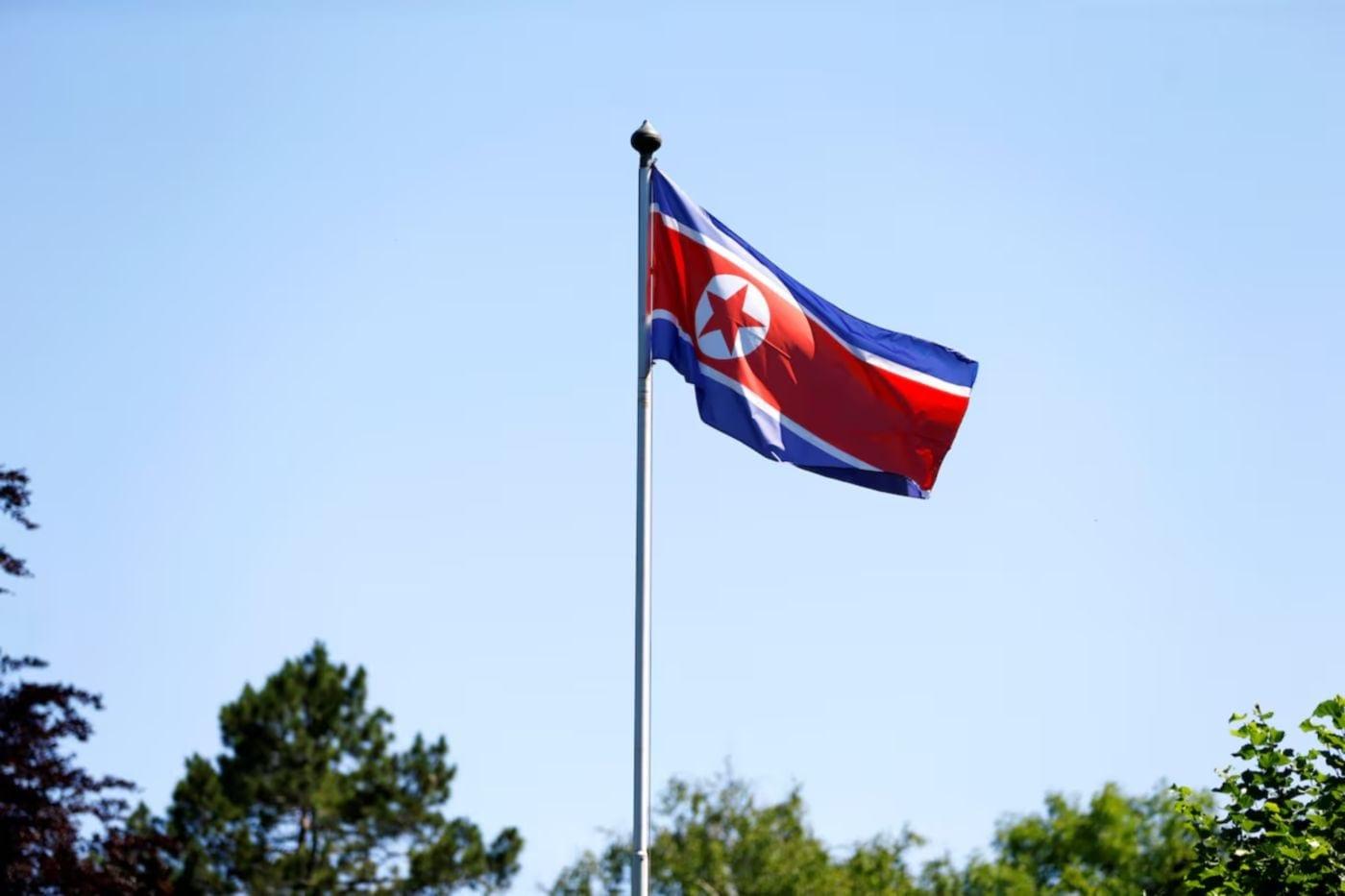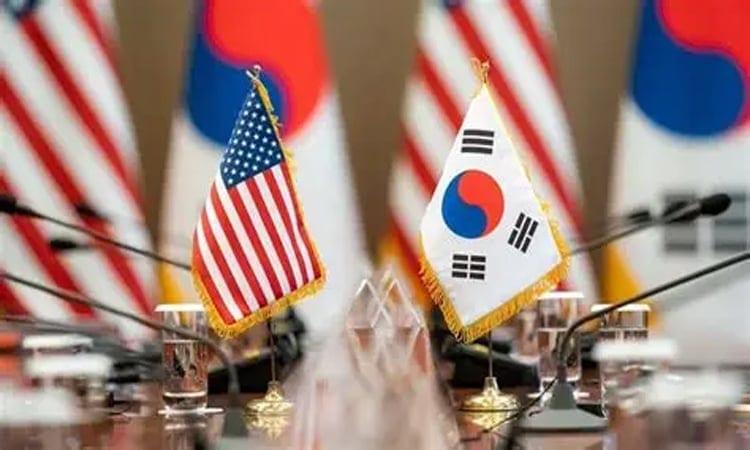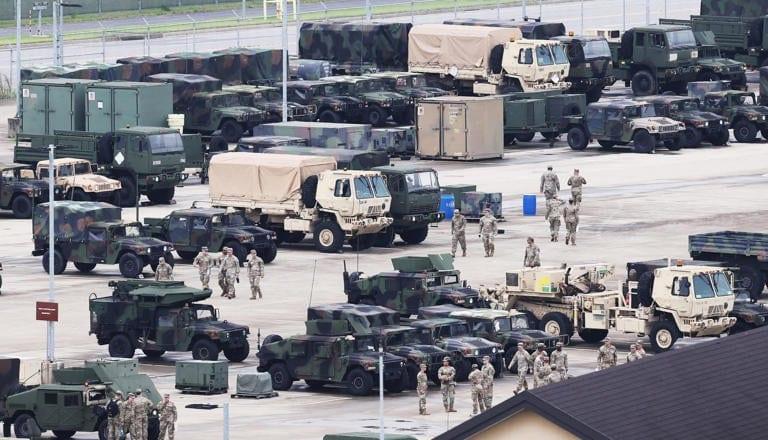
North Korean state media has vehemently condemned the joint military drills by the United States and South Korea, labeling them as an 'immediate and open threat' to North Korea and regional security. The Korean Central News Agency (KCNA) published a commentary reiterating Pyongyang's long-standing position that these exercises are dress rehearsals for an invasion. The commentary, titled 'We Will Exercise Our Right to Self-defence for Neutralizing Military Threat from Hostile Forces through More Transparent Action,' did not mention US President Donald Trump's recent order to scale back the annual Ulchi Freedom Shield exercises.
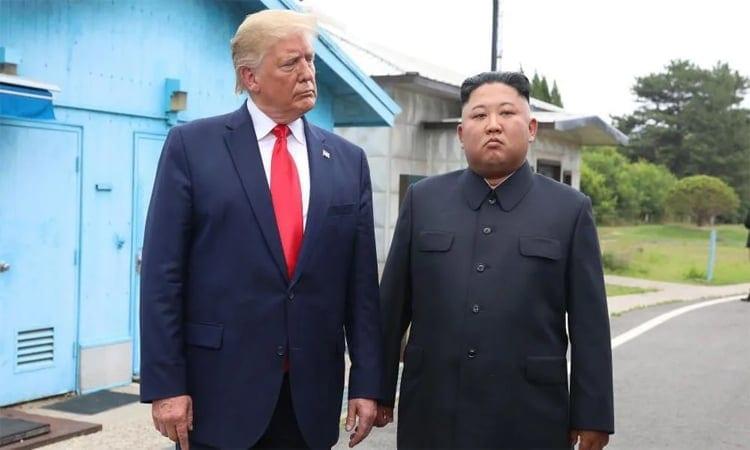
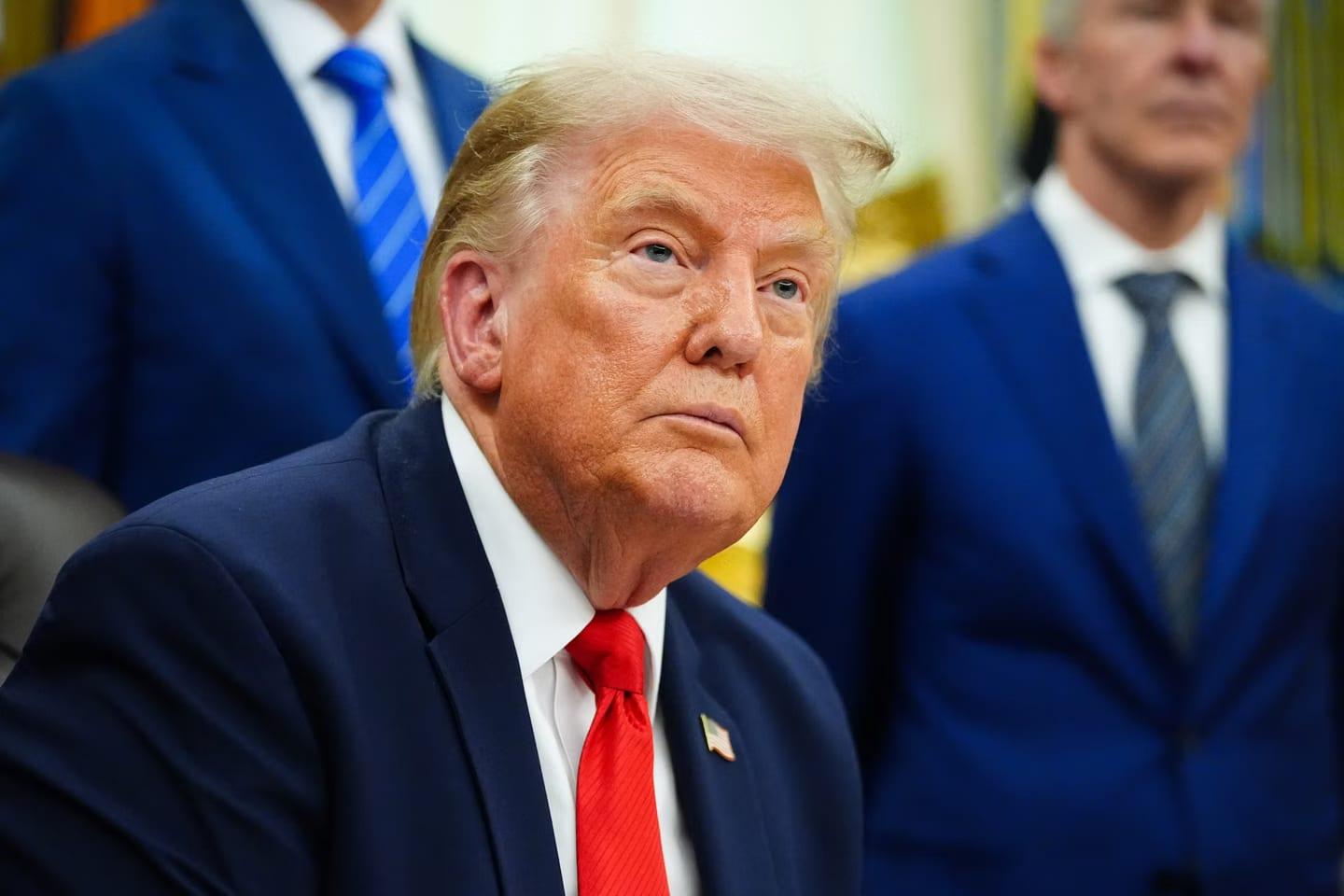
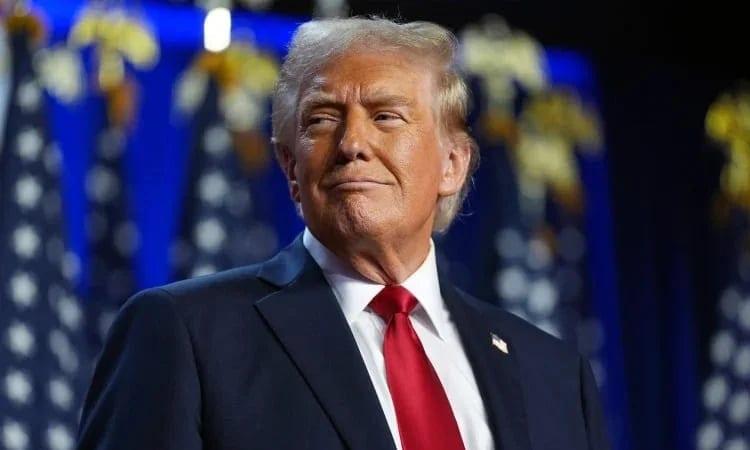
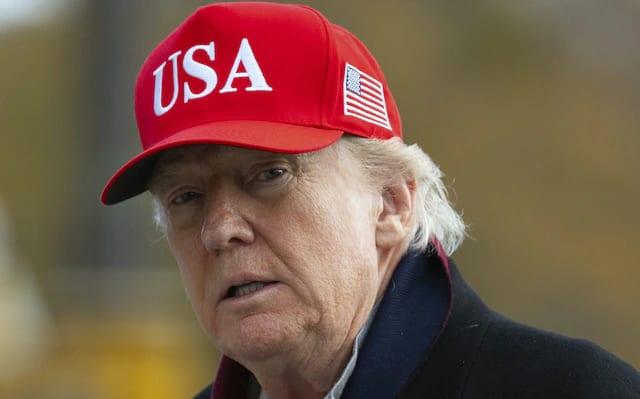
President Trump, in a surprising move, ordered the Pentagon to curtail the drills, calling them 'inappropriate and hostile.' He praised North Korean leader Kim Jong Un and criticized Seoul for not supporting his war against Iran. Despite Trump's order, North Korea's KCNA commentary maintained its stance, emphasizing the threat posed by the drills. The United States maintains about 28,500 troops in South Korea to support the country's defenses, a remnant of the 1950-53 Korean War that concluded with an armistice rather than a peace treaty.
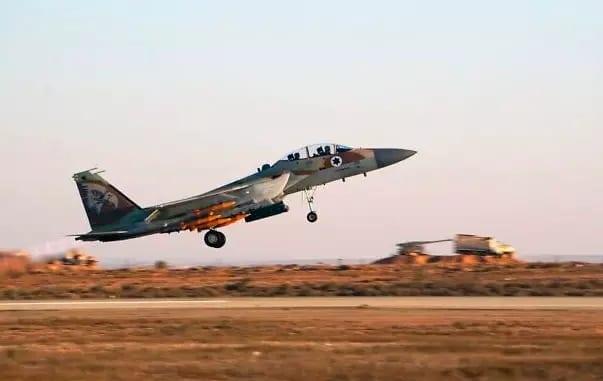
The annual Ulchi Freedom Shield exercises are designed to enhance the combat readiness and interoperability of US and South Korean forces. However, North Korea has consistently viewed these drills as a direct provocation. The recent commentary by KCNA underscores the ongoing tensions and the complex dynamics at play in the region. Despite Trump's efforts to engage in dialogue with Kim Jong Un, the underlying mistrust and mutual suspicion remain evident.
The North Korean regime has historically used such drills as a pretext to ramp up its own military activities, including missile tests and other provocations. This cycle of action and reaction has perpetuated a state of heightened alert and instability on the Korean Peninsula. The international community watches closely as both sides navigate this delicate situation, with the hope that diplomatic efforts will eventually prevail over military posturing.
In response to Trump's overtures, Kim Jong Un has shown a willingness to engage in dialogue, though the path to denuclearization and lasting peace remains fraught with challenges. The recent scaling back of the drills by the US could be seen as a gesture of goodwill, but North Korea's continued condemnation suggests that much work remains to be done in building trust and reducing tensions. The situation underscores the importance of sustained diplomatic efforts and the need for all parties to exercise restraint and seek peaceful resolutions.