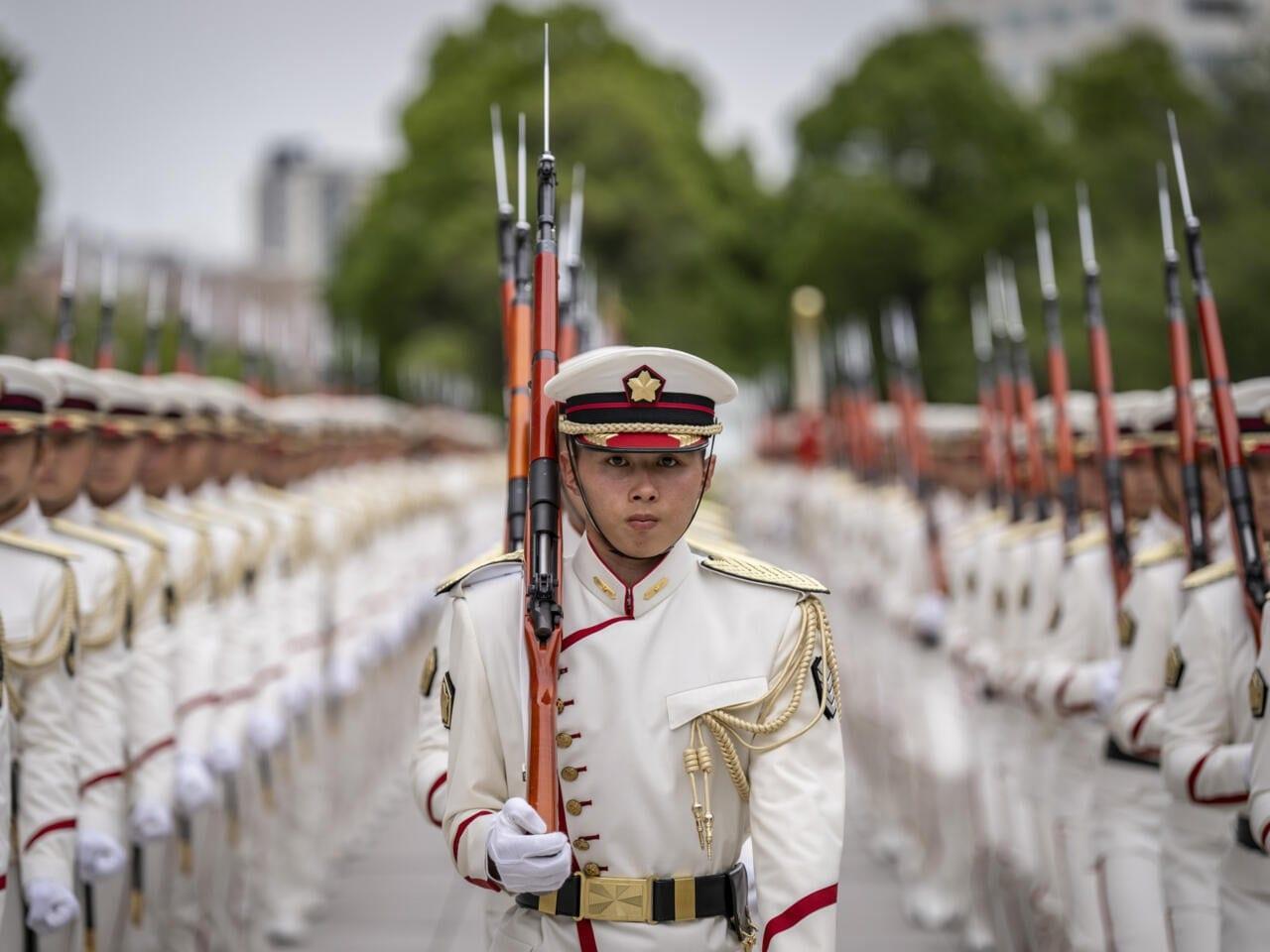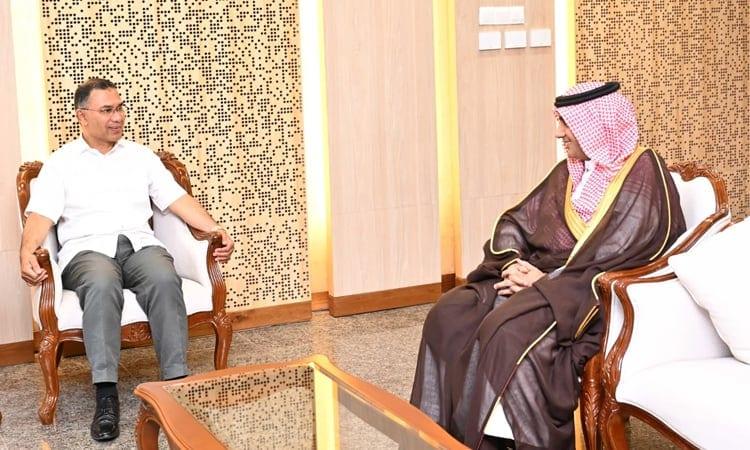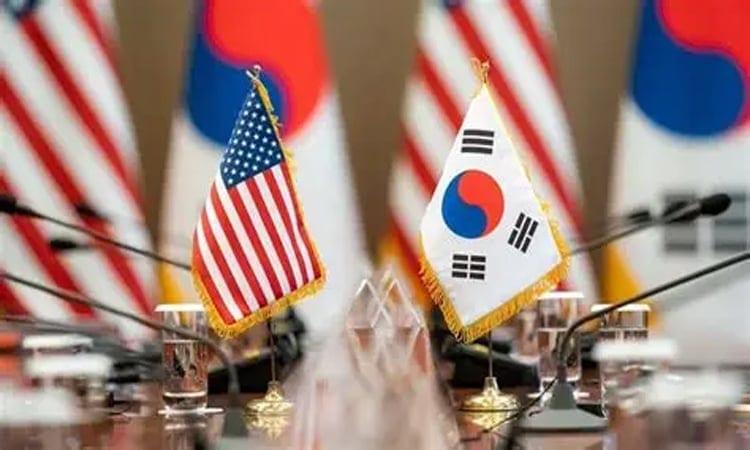
Japan's Defence Minister, Shinjiro Koizumi, has underscored the critical importance of cooperation among Japan, the United States, and South Korea for regional security. Speaking during a visit to Australia, Koizumi highlighted that the collaboration among these nations is essential to maintaining peace and stability in the region, especially as Japan faces what he described as the most severe and complicated security environment in the post-war era.
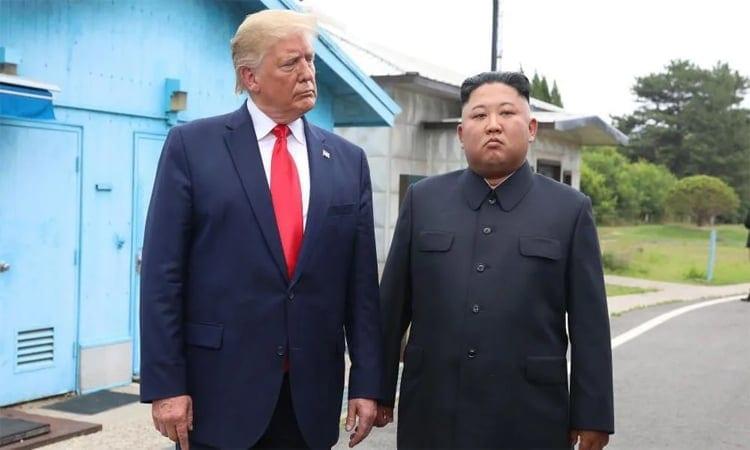
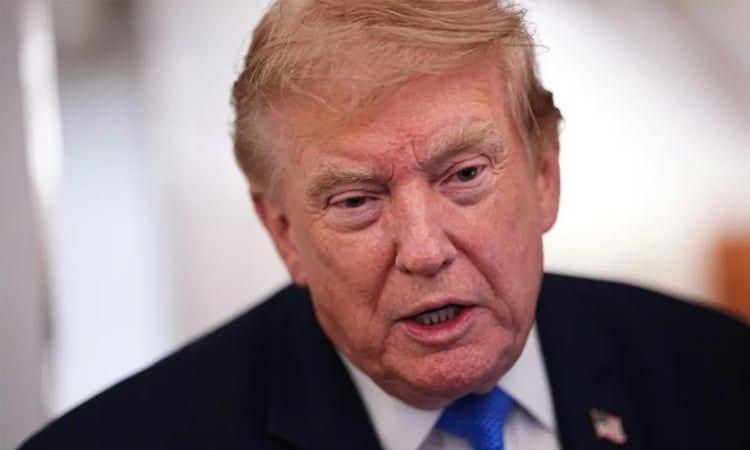
Koizumi's comments come in the wake of US President Donald Trump's decision to downsize joint military drills with South Korea, which has sown doubts about the strength of the US commitment to its allies in the Pacific region. Despite Trump's recent praise for his relationship with North Korean leader Kim Jong Un and criticism of South Korea for not aiding Washington in its conflict with Iran, Koizumi remains steadfast in his support for trilateral security cooperation.
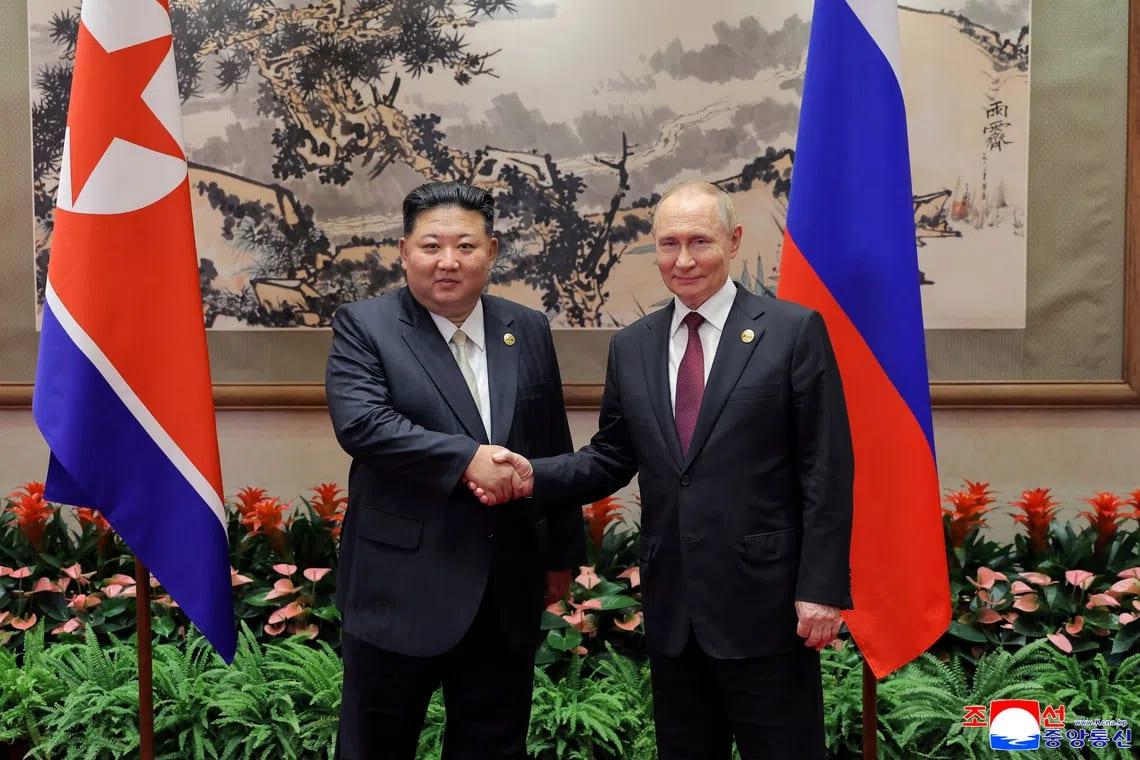
The significance of Koizumi's statements was further emphasized by Australian Defence Minister Richard Marles, who expressed deep concern over North Korea's nuclear and missile programs. Marles noted that North Korea is a major source of regional challenges and that Australia remains committed to addressing these threats in collaboration with its allies.
FAQs on Japan's Defence Strategy and Regional Security
1. **Why is cooperation with the US and South Korea critical for Japan?** Japan faces significant security challenges, including North Korea's nuclear and missile programs. Cooperation with the US and South Korea is essential for intelligence sharing, joint military exercises, and a unified response to potential threats. This alliance helps deter aggression and ensures a balanced power dynamic in the region.
2. **What impact does US President Donald Trump's decision to downsize joint drills with South Korea have on regional security?** Trump's decision has created uncertainty and raised concerns among Japan and South Korea about the reliability of US security commitments. This move could embolden adversaries and weaken the deterrence posture of the alliance, potentially leading to increased regional instability.
3. **How does Australia fit into the regional security framework?** Australia plays a crucial role in the regional security architecture by participating in multilateral exercises, intelligence sharing, and diplomatic efforts. Its geographical location and strong alliances with the US, Japan, and South Korea make it a key player in maintaining regional stability.
4. **What are the main security threats Japan is currently facing?** Japan's primary security concerns include North Korea's nuclear and missile programs, China's military assertiveness in the East China Sea, and the overall strategic balance in the Indo-Pacific region. These threats necessitate a robust and coordinated response from Japan and its allies.