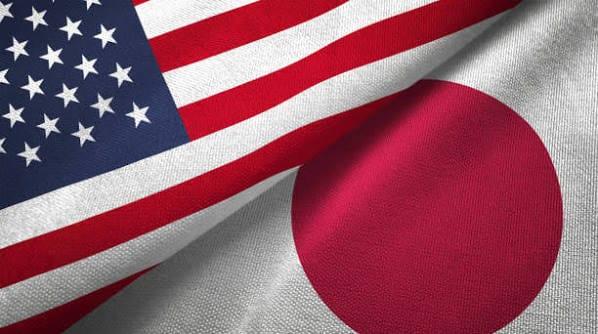
The United States and Japan recently carried out a historic joint intervention to support the yen. US Treasury Secretary Scott Bessent stated that the currency's weakness posed a risk to other Asian markets, drawing parallels to the region's financial crisis in the late 1990s. The operation, which involved buying yen for the first time since 1998, followed the currency's slump to a four-decade low of almost 164 per dollar.
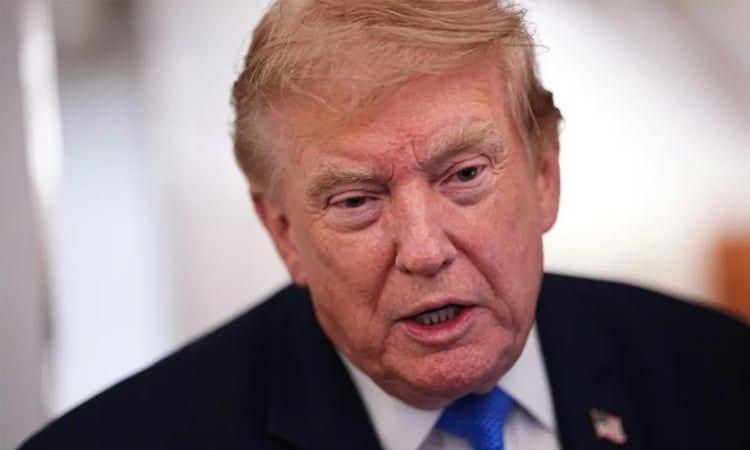
Bessent emphasized the importance of a stable yen for the entire region, noting that if the yen were to weaken substantially, other currencies would likely follow. He highlighted excess volatility in the Korean won and concerns over the valuation of the Chinese renminbi. The intervention aimed to mitigate these risks and maintain stability in Asian markets.
The joint action also addressed concerns in Washington about Japan potentially selling its US Treasuries to finance solo intervention, which could add pressure on US bond yields. Additionally, the Trump administration sought to reduce the US trade deficit and support Japan's $550 billion investment in the United States as part of a 2025 trade deal.
The yen had been sliding for months due to the gap between Japanese and US interest rates, high oil prices, and concerns about Japan's growing debt under Prime Minister Sanae Takaichi's spending plans. Following the intervention, the yen traded around four percent higher than its low last month.
Goldman Sachs researchers noted that the intervention might only provide temporary relief unless accompanied by a significant change in the global growth outlook or domestic policy mix. They expressed skepticism about the US Treasury's involvement signaling more significant domestic policy changes in Japan.