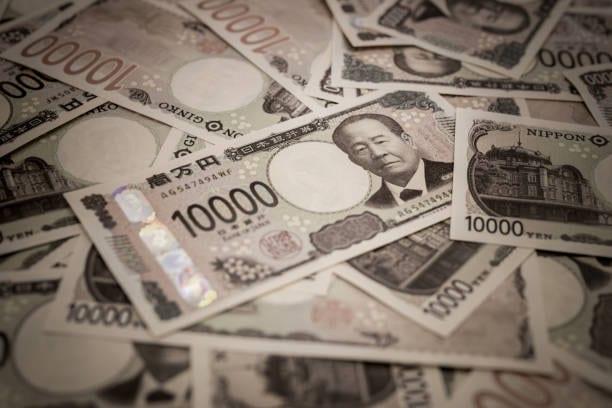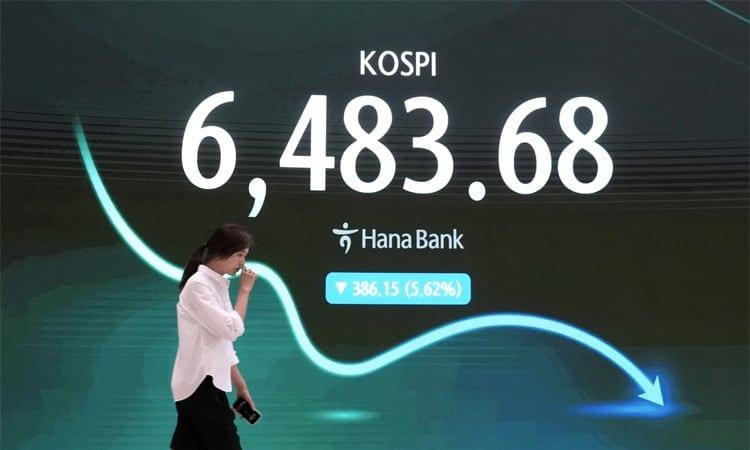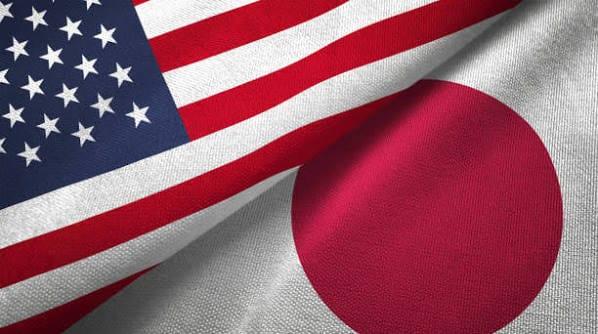
In a significant move to stabilize the yen, Japan and the United States announced their readiness to intervene further in the currency markets. This follows their first joint action in 28 years, prompted by the yen hitting a four-decade low. The yen's weakness is attributed to the interest rate gap between Japan and the US, high oil prices, and concerns over Prime Minister Sanae Takaichi's spending plans.
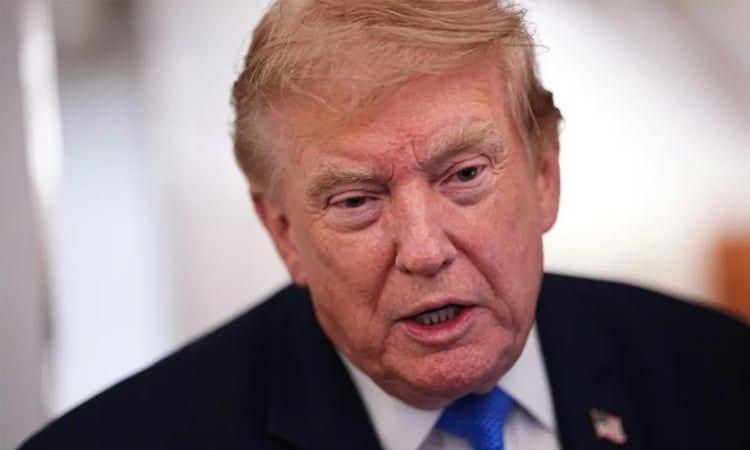
The joint operation, though its scale remains undisclosed, is the first since 2011 when the US, Japan, and other G7 members sold yen to prevent its rise after a massive earthquake. The last time Washington and Tokyo bought yen was in 1998, according to Japan's finance minister. US President Donald Trump confirmed the action, describing it as a 'signal of friendship' with Japan and beneficial for the global economy.
US Treasury Secretary Scott Bessent emphasized the US's strong support for Japan's efforts to correct the yen's undervaluation. The intervention came after the yen reached 163.99 per dollar, its weakest since 1986. Following the action, the yen strengthened to 157.40, its highest since early May.
Japan's Finance Minister Satsuki Katayama highlighted the intervention's role in countering excessive volatility and disorderly movements in the yen. She praised Tokyo's efforts in revitalizing and boosting the economy. The yen's weakness, while beneficial for exporters like Sony and Toyota, increases import costs for resource-poor Japan, particularly oil.
The Bank of Japan's interest rate hike to a 31-year high of 1.0 percent, still below the US Federal Reserve's rates, has contributed to the yen's decline. Economists suggest that while joint interventions can stabilize the yen temporarily, lasting change requires shifts in economic fundamentals.