Bangladesh will soon dispatch a trade delegation to Sri Lanka to evaluate the prospects of exporting potatoes to the island nation. Alongside potatoes, the delegation will also explore opportunities for onion exports. This initiative aims to create new overseas markets for Bangladeshi agricultural products and enhance bilateral trade between the two countries, according to a press release.
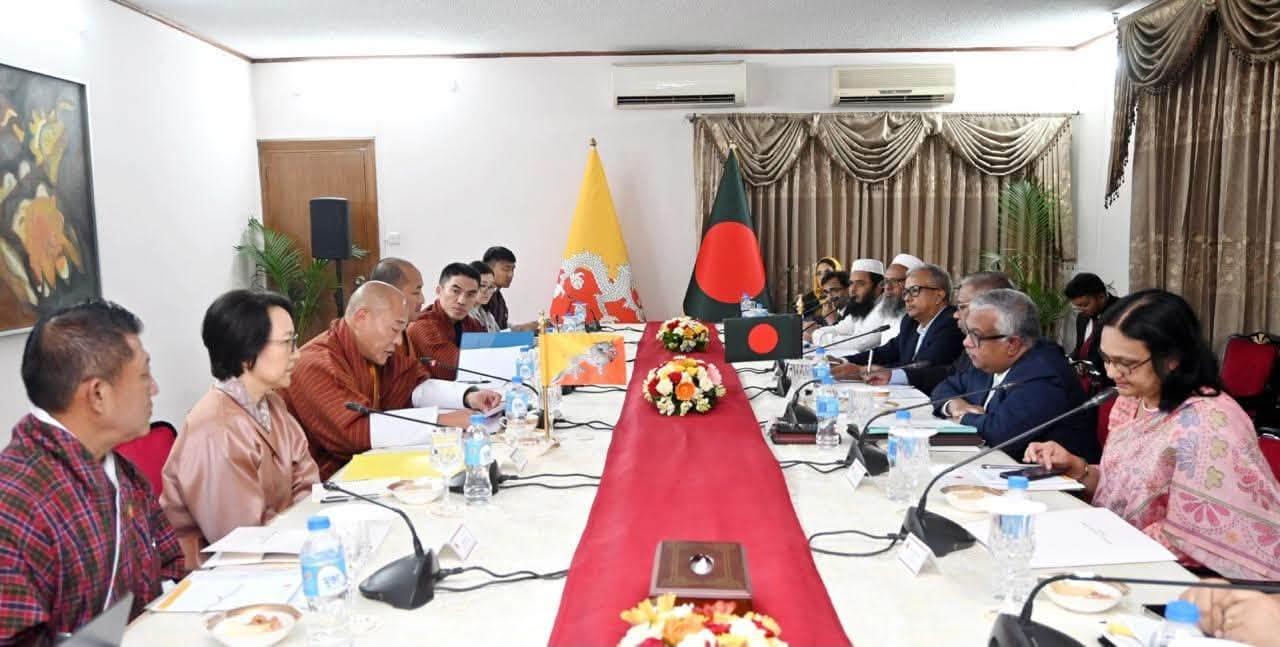
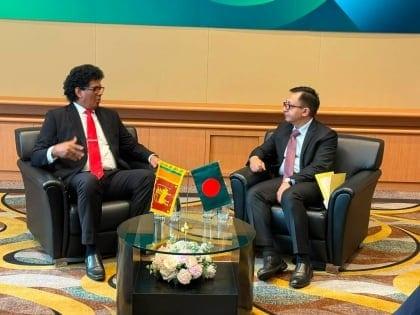
The decision was made during a bilateral meeting between Bangladesh's Commerce, Industries and Textiles and Jute Minister Khandakar Abdul Muktadir and Sri Lanka's Minister of Trade, Commercial Activities, Food Security and Cooperative Development Wasantha Samarasinghe. The meeting took place on the sidelines of the 11th Belt and Road Summit 2026.
During the meeting, both sides discussed Bangladesh's agricultural production capacity, potato prices in the Sri Lankan market, and challenges in regional supply chains. Minister Muktadir highlighted that Bangladesh has a significant surplus of potatoes and onions, even after meeting domestic demand, necessitating the exploration of new export markets.
He noted that new potatoes are currently being sold in Bangladesh's retail markets at Tk 25-30 per kilogram. Muktadir added that Bangladesh's relatively low production costs and competitive prices could create export opportunities in the Sri Lankan market. The Sri Lankan minister expressed interest in importing potatoes and onions from Bangladesh, emphasizing that stronger regional trade could bring positive benefits to people across the region.
The meeting was informed that a Bangladeshi trade delegation, including representatives of the Potato Association, would visit Sri Lanka to assess the demand, prices, and commercial prospects of potatoes in the country's market. The delegation will hold meetings with local traders, food processors' associations, and other relevant business organizations to explore potential export opportunities.
Minister Muktadir urged Bangladesh's private sector to establish a long-term presence in the Sri Lankan market. He stressed the need for ensuring a year-round supply of quality products at competitive prices to sustain export markets. The possibility of developing warehousing and other infrastructure facilities in Sri Lanka may also be examined if necessary.
Both sides expressed hope that the initiative would create a new export market for Bangladeshi agricultural products, provide farmers with opportunities to receive fair prices for their produce, and enable Sri Lankan consumers to buy potatoes at relatively affordable prices.