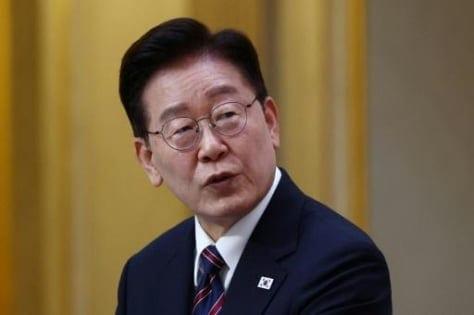
During a recent visit to Paris, South Korea's President Lee Jae Myung made it clear that he will not seek to extend his term in office beyond the constitutionally-limited single five-year term. This announcement comes amid speculation and proposals by some allies to amend the constitution to allow for multiple terms. Speaking to South Koreans in Paris, Lee emphasized the importance of adhering to the constitutional term limits.
Seong Ghi-hong, the senior presidential secretary for public relations and communication, reinforced Lee's stance, stating that the president's remarks should be interpreted as a definitive rejection of any attempt to extend his term through constitutional amendments. 'The idea of a consecutive term is completely impossible and not even a matter for consideration,' Ghi-hong clarified during a radio program.
This declaration is significant as it addresses growing concerns and accusations from the opposition People Power Party, which has alleged that Lee and his allies were contemplating an amendment to allow him to remain in office beyond his current term. The opposition has been vocal about their suspicions, especially given the recent drop in Lee's approval ratings, which hit a low of 40 percent according to a Gallup Korea poll.
South Korea's current single five-year presidential term was adopted in 1987 as the nation transitioned from authoritarian rule to a more democratic system. This change was partly intended to prevent the prolonged concentration of presidential power. Despite periodic proposals to allow multiple terms, all attempts have historically failed due to strong political opposition.
Lee's recent comments also come at a time when his administration faces various challenges, including ongoing criminal trials. Critics have noted that a second term would mean the suspension of these trials, which include allegations of bribery linked to an illicit $8 million transfer to North Korea. By ruling out any extension, Lee appears to be aiming to quell these concerns and reinforce his commitment to the existing constitutional framework.