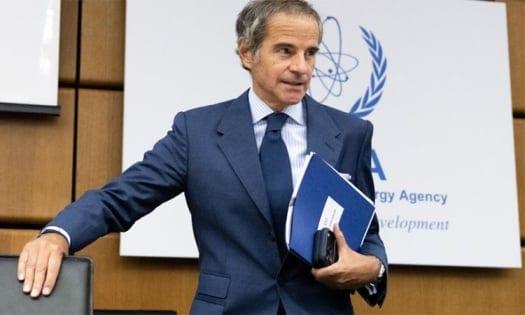
The International Atomic Energy Agency (IAEA) board of governors voted to refer Iran to the UN Security Council over its nuclear 'non-compliance'. The resolution, adopted by 23 votes in favour, three against, and eight abstentions, was submitted by Britain, France, Germany, and the United States. Russia, China, and Niger voted against the resolution. The move marks the first time Iran has been referred to the Security Council in 20 years for failing to comply with its nuclear reporting obligations.
Background and Context
The IAEA has not had access to key nuclear facilities in Iran since a 12-day conflict in June 2025, involving strikes on nuclear sites by Israel and the United States. This lack of access has been a significant concern for the IAEA, which has repeatedly urged Iran to allow inspections. The latest conflict, which began on February 28, has further complicated the situation, with nuclear facilities being hit and the IAEA's calls for access going unanswered.
Iran's Response and International Reaction
Iran condemned the resolution, with its representative to the IAEA, Reza Najafi, stating that it would 'not bring any results' and was 'completely counterproductive'. He argued that the resolution was passed under political pressure from the US and its allies and had no basis. The resolution calls on Iran to urgently remedy its non-compliance and engage in talks aimed at building international confidence in the peaceful nature of its nuclear programme.
Implications and Future Steps
The referral to the UN Security Council is largely symbolic, as Iran's allies China and Russia hold the power to veto any sanctions against Tehran. Analysts like Ali Vaez of the International Crisis Group suggest that while the resolution adds legal pressure, it is unlikely to change Iran's stance due to the veto power of its allies. The IAEA continues to express 'proliferation concern' over its lack of information and access to Iran's nuclear facilities.
Why This Matters for Bangladesh
The international community's response to Iran's nuclear programme has broader implications for global security and diplomatic relations. For Bangladesh, which has its own nuclear ambitions for civilian purposes, the situation underscores the importance of maintaining transparency and compliance with international nuclear regulations. It also highlights the complexities of international diplomacy and the role of major powers in shaping global security policies.