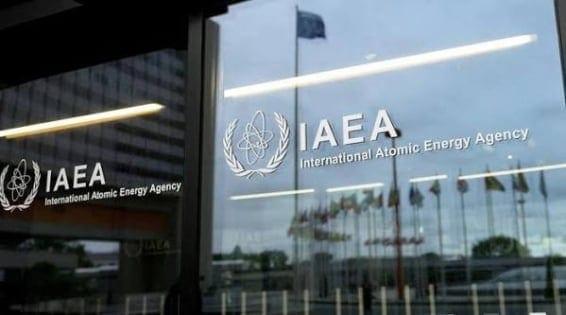
In a revelation that underscores the hidden dangers of Syria's past, the UN's International Atomic Energy Agency (IAEA) has disclosed the existence of a nearly completed nuclear reactor, constructed clandestinely during the regime of Bashar al-Assad. IAEA head Rafael Grossi stated that the reactor, had it been operational, would have been highly efficient in producing fissile material suitable for nuclear weapons.
The discovery came after IAEA inspectors visited two sites in Syria, one in Deir Ezzor and another undisclosed location identified by Syrian authorities. The IAEA report, seen by AFP, confirmed that Syria's previous government was indeed building a nuclear reactor. Grossi emphasized that the previous Syrian government was engaged in a series of covert activities, aiming to keep their nuclear ambitions hidden from the international community.
The reactor, which is currently being excavated, was "almost completed," according to Grossi. He suggested that the previous Syrian authorities may have even conducted explosions to destroy evidence and hinder investigations. In addition to the reactor, the IAEA found a fuel fabrication plant and a storage location for nuclear fuel, uranium scrap, and waste. The agency also discovered around 73 tonnes of natural uranium metal.
Grossi commended Damascus for its "courageous decision" to report the undisclosed site. The IAEA had previously declared in 2011 that the location was "very likely" to host a nuclear reactor, with indications pointing to North Korean assistance. However, Grossi stated that it is up to the IAEA board to decide whether to close the file opened in 2011, noting that he has not been tasked to further investigate alleged connections to North Korea.
The revelation has raised significant concerns about Syria's past nuclear ambitions and the potential threat it posed to regional and global security. The IAEA will continue to work with Syria to ensure the safekeeping of nuclear materials and report its findings. The Institute for Science and International Security (ISIS) noted that while the new revelations confirm and detail the IAEA's suspicions, they do not fill in all the missing information about the reactor and Syria's cooperation with North Korea.