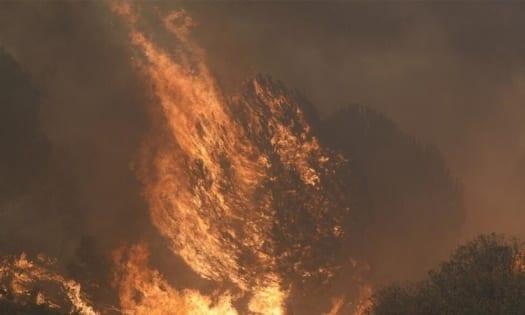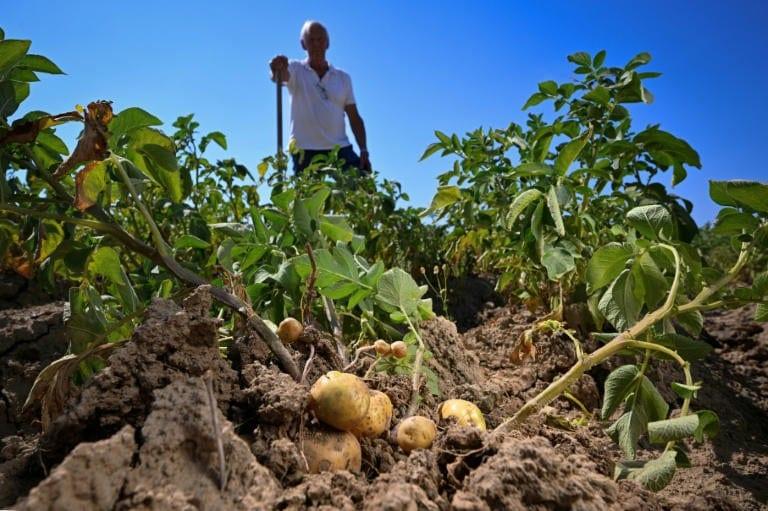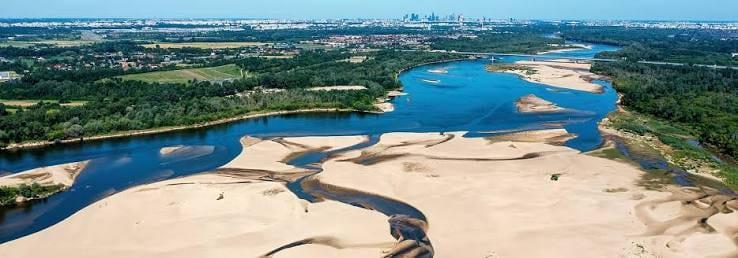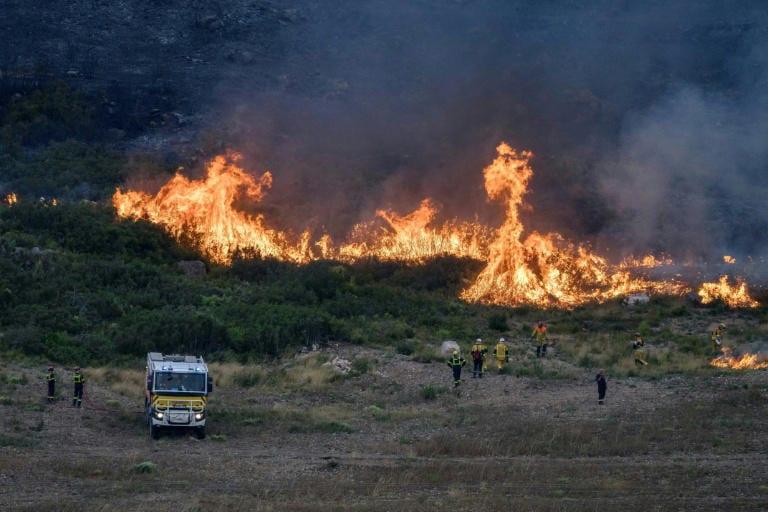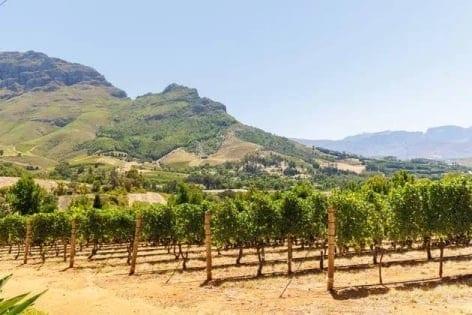
French wine production this year is expected to fall 6 percent from 2025 after a summer of unprecedented heatwaves and drought, the agriculture ministry said on Monday, predicting the most paltry harvest for some 70 years. France, the world's second-largest wine producer after Italy, is expected to produce less than 34 million hectolitres in 2026, according to estimates released by the agriculture ministry. The 2025 figure was already a historic low, marking the lowest production in France since 1957. The decline expected in 2026, which is 17 percent below the average seen between 2021 and 2025, is due both to shrinking vineyards and lower yields caused by drought and summer heatwaves, according to the ministry's statistics service. As of September 1, production was estimated at nearly 33.9 million hectolitres, compared with 35.9 million hectolitres last year. A hectolitre is the equivalent of 100 litres.
The service noted, however, significant differences between regions. In Champagne, output is expected to be cut by half compared with both 2025 and the five-year average. But in the southern region of Languedoc-Roussillon, the harvest is expected to rise 5 percent from the 2025 weak crop thanks to improved yields, although it would still remain 8 percent below the 2021-2025 average.
The impact of climate change on agriculture is becoming increasingly evident, with extreme weather conditions affecting crop yields worldwide. In France, the wine industry, a cornerstone of the country's agricultural economy, is particularly vulnerable to such fluctuations. The decline in production not only affects local farmers and winemakers but also has broader economic implications, including potential increases in wine prices and reduced export volumes.
France last week announced more than one billion euros in emergency support for farmers, but agricultural groups said the package fell short of needs. The government's response highlights the growing concern over the sustainability of traditional farming practices in the face of climate change. Wine producers are exploring various adaptive strategies, including the use of drought-resistant grape varieties and advanced irrigation techniques, to mitigate the effects of future heatwaves and droughts.
The French wine industry's struggle with climate change serves as a stark reminder of the global challenges facing agriculture. As temperatures rise and weather patterns become more unpredictable, countries around the world, including Bangladesh, must prepare for similar disruptions. In Bangladesh, the agricultural sector, which employs a significant portion of the population, is already grappling with the effects of climate change, such as increased flooding and salinity in coastal areas. Understanding and addressing these challenges is crucial for ensuring food security and economic stability.
The situation in France underscores the need for international cooperation and investment in sustainable agricultural practices. By sharing knowledge and resources, countries can better adapt to the changing climate and protect their vital agricultural sectors. For Bangladesh, learning from the experiences of wine-producing nations like France can provide valuable insights into managing the impacts of climate change on local agriculture.