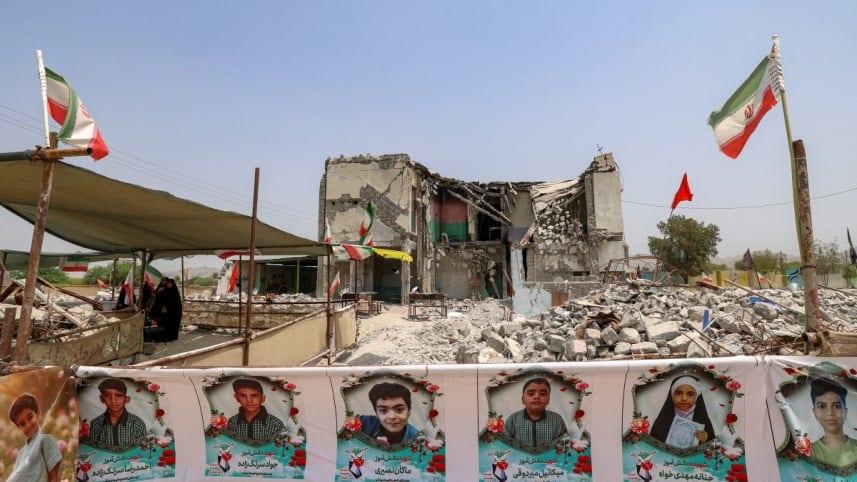
In the small coastal town of Kuhestak, Iran, the aftermath of an alleged US strike on a wedding ceremony has left a scene of utter devastation. The Mallahi family's home, where the event was set to take place, now stands as a stark reminder of the tragedy that unfolded. Authorities claim that the US is responsible for the attack, which occurred as dozens of women and children gathered in anticipation of the bride and groom's arrival. The blast resulted in the deaths of five people, including a four-year-old child and three women, with nearly 70 others wounded.
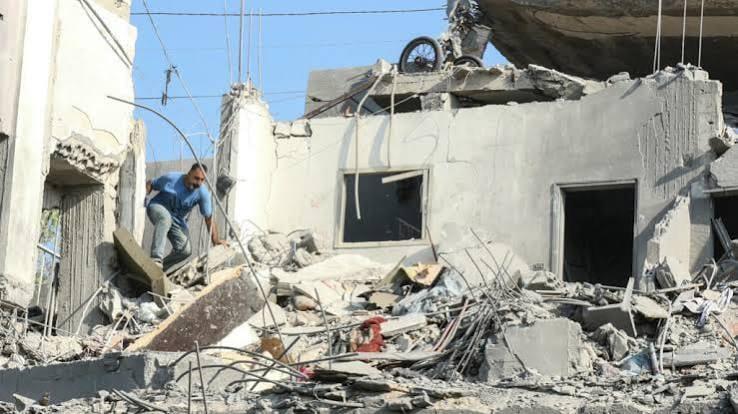
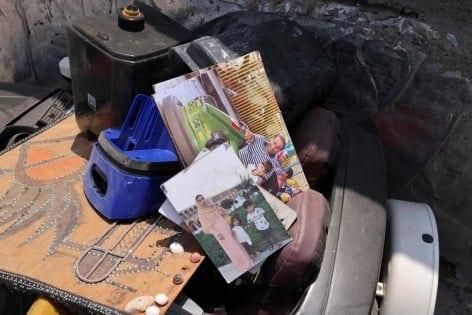
The destruction is palpable. The ceiling of one room has collapsed entirely, while walls in a hallway bear deep cracks. Every window has been shattered, and the kitchen area lies in shambles. Abandoned shoes, many of them elegant women's sandals, are piled in one room, while a gaping hole, the width of a double doorway, has been blown in another wall. Part of the building's exterior wall is blackened by fire, a testament to the violence that erupted within.
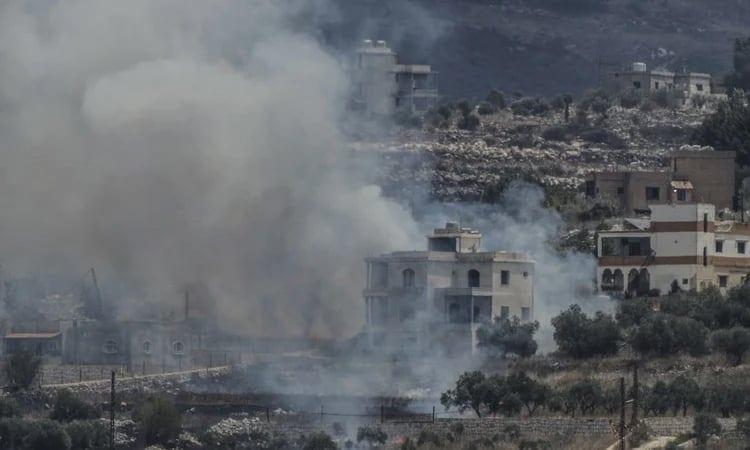
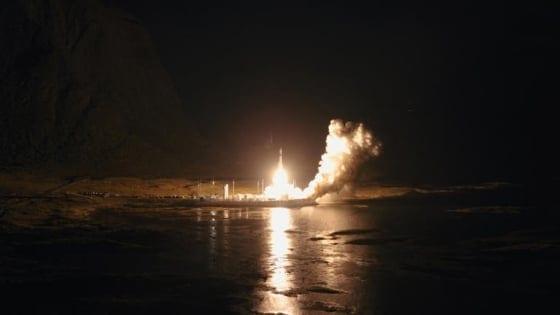
The attack occurred amidst a wider bombardment of southern Iran by the US on September 1. In Kuhestak, a town more familiar with the sound of the surf from the nearby Strait of Hormuz, the thunder of explosions marked a harrowing shift. Workers were seen cutting away the remains of a telecommunications tower that was knocked down in the attacks. The tower, about 15 meters high and located near the town's port, was approximately 100 meters from the house where the wedding was taking place. A technical and administrative building in the same complex was also seriously damaged.
Shrapnel was found in surrounding areas, including at a shop near the tower, leading to the evacuation of several houses. At the Kuhestak port, the pier and a large barge were also damaged. Iranian authorities have vehemently blamed the United States for the attack on the wedding ceremony, with the judiciary asserting that the US used precision-guided munitions. The foreign ministry has condemned the act as a 'war crime'. Washington has not accepted responsibility for the attack but has stated that it is investigating and does not intentionally target civilians. US officials have indicated that the military targeted communications and other military infrastructure in the area.
The incident has sparked international outrage and calls for a thorough investigation. The use of precision-guided munitions suggests a targeted strike, raising questions about the intended target and the collateral damage incurred. The wedding, a joyous occasion meant to celebrate love and union, has instead become a symbol of grief and loss.
For the people of Kuhestak, the event has left a lasting scar. The town, known for its serene coastal beauty, is now synonymous with tragedy. The affected families are left to grapple with their loss, while the broader community mourns the innocence taken away in a moment of violence.
The incident underscores the complexities and consequences of military actions in conflict zones. It serves as a stark reminder of the human cost of war and the importance of precision and care in military operations. For Bangladesh, a nation that values peace and diplomacy, the incident highlights the need for careful consideration of international actions and their impact on civilian populations.