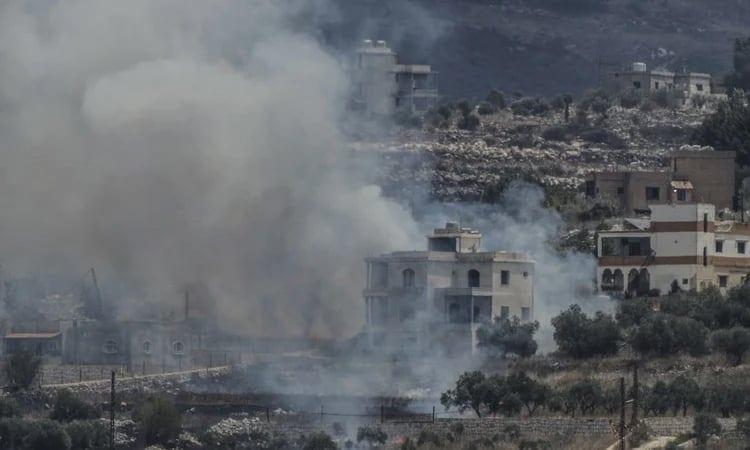
Lebanese state media reports that an Israeli strike in the country's south early Saturday killed seven people, marking the worst toll since a ceasefire was agreed in June. The National News Agency (NNA) said Israel "escalated its attacks on the south" early Saturday, reporting that "a strike launched by enemy warplanes on a home" on the outskirts of the village of Ansar "killed seven people and wounded three others".
The strike destroyed the home, and emergency rescuers were removing rubble and transporting the casualties to hospital. This incident marks a significant escalation in violence, as hostilities between Israel and Hezbollah had seen a lull since the signing of a US-Iran memorandum of understanding in June and a US-sponsored framework deal between Lebanon and Israel.
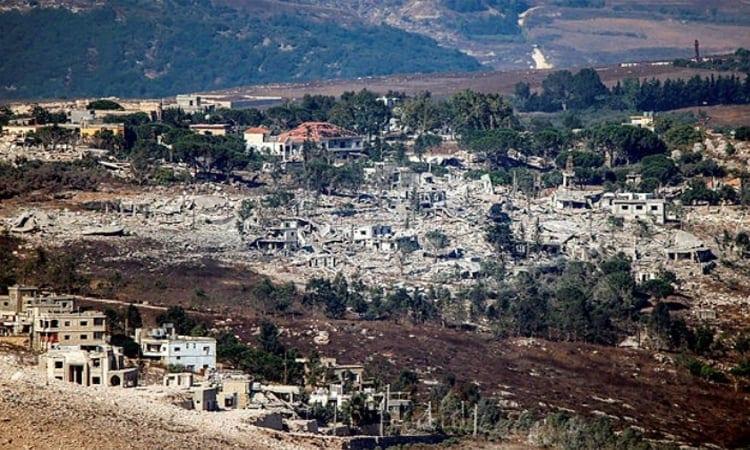
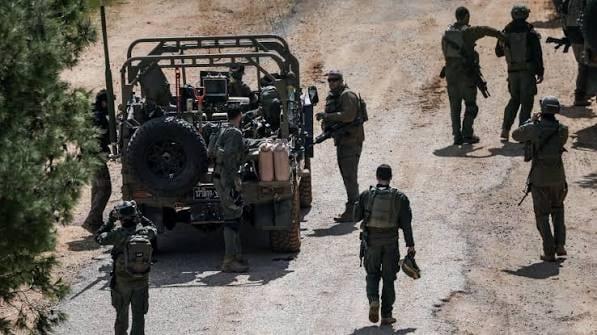
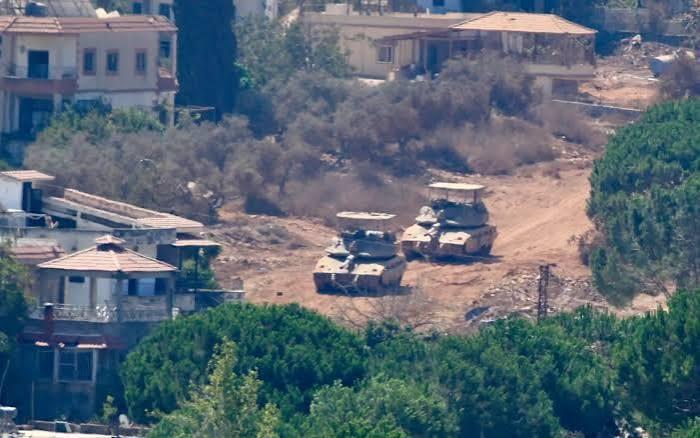
Hezbollah drew Lebanon into the Middle East war in March with rocket fire at Israel in support of its backer Iran. Israel responded with heavy airstrikes and a ground invasion that Lebanese authorities say have killed more than 4,300 people. Despite the ceasefire, Lebanon still reports intermittent Israeli strikes occasionally causing casualties, and the broad demolitions of civilian buildings in southern villages and towns.
The NNA also reported that "the valley between Ansar and Zarariyeh was also subjected to a strike, the first at this geographical depth since the ceasefire two months ago". Additionally, Israeli warplanes carried out a series of airstrikes targeting the Ali al-Taher ridge, a strategic hill overlooking the Nabatieh area, and reported Israeli shelling there. The news agency said Israeli forces detonated homes in the town of Bint Jbeil near the border.
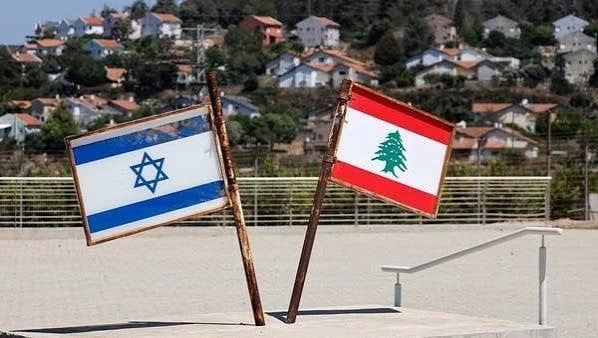
The Israel-Lebanon framework deal includes the disarmament of Hezbollah, a gradual withdrawal of Israeli forces from south Lebanon, and the deployment of the Lebanese army to the region, starting in "pilot zones". On Friday, Hezbollah chief Naim Qassem accused Lebanese authorities of subjecting the country's armed forces to undue pressure by implementing the deal, saying, "How can you accept this ongoing humiliation of the Lebanese army, exposing it to bombardment and Israeli pressures, instead of acting as its protectors?"
This week, Human Rights Watch urged the United Nations to keep an international force in Lebanon after its peacekeepers' mandate ends this year, saying that "the peacekeepers are a crucial deterrent against attacks on civilians and human rights abuses". The recent escalation in violence underscores the fragile nature of the ceasefire and the ongoing tensions in the region.
For Bangladesh, the situation in Lebanon serves as a reminder of the complexities and dangers of international conflicts. The ongoing violence and its impact on civilian populations highlight the importance of diplomatic efforts and international cooperation in resolving such conflicts.