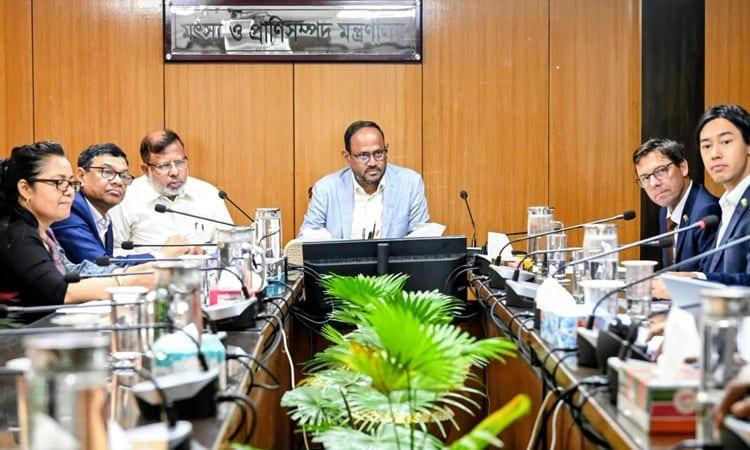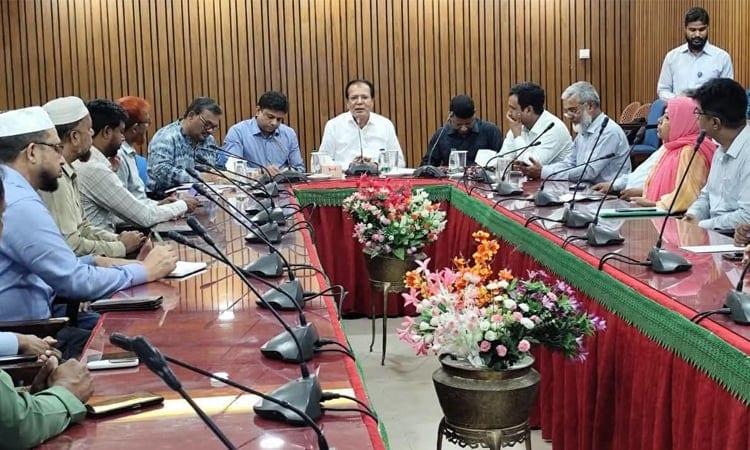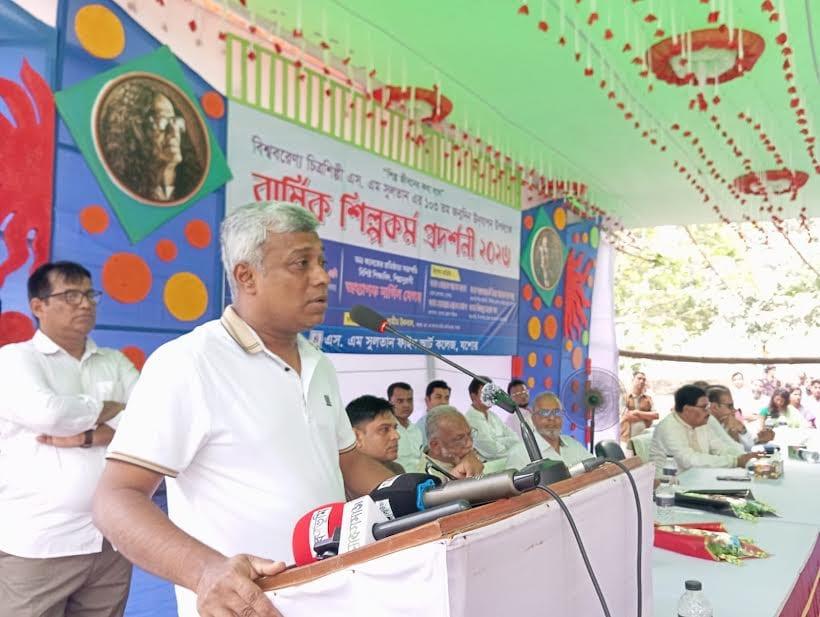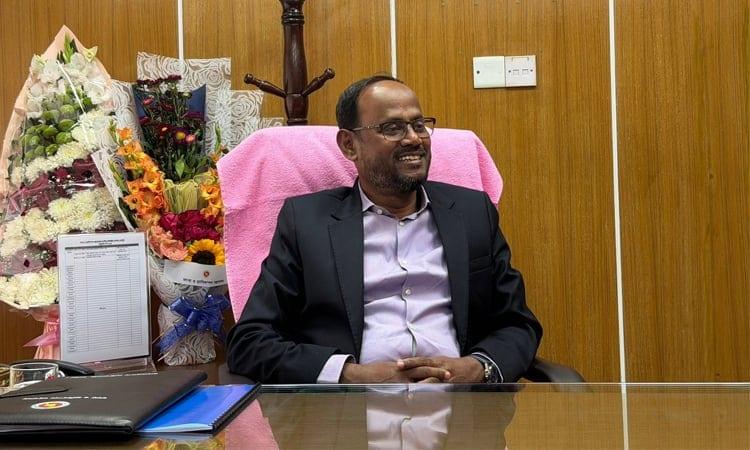
The government has announced plans to establish modern meat processing centers in every district across Bangladesh. State Minister for Fisheries and Livestock Sultan Salahuddin Tuku revealed this initiative in an interview, aiming to expand safe and quality meat processing facilities, preservation, and pave the way for future meat exports. The country currently produces over 8.7 million tons of meat annually, with significant livestock surpluses.
Tuku emphasized the importance of installing modern meat processing centers to make the livestock sector export-oriented. Already, 13 meat processing centers have been inaugurated, including one in Bogura. The remaining centers will be established in phases across the country. He stated, 'If the meat processing centers are established, international standard meat processing, preservation, and export would be possible.'
Experts note that domestic demand for meat is growing rapidly, while formal meat processing and export remain in the early stages. Annual meat exports from Bangladesh are below $1 million, constrained by international compliance issues, cold-chain gaps, and the scaling of modern abattoirs. Tuku highlighted the government's commitment to restructuring the sector, addressing past irregularities, corruption, and mismanagement.
To ensure safe food, the government is modernizing the production system, ensuring safe animal feed, and conducting quality soil tests. They are also regularly exchanging views with growers and providing necessary instructions to make safe and disease-free animal food available. The government has taken steps to revive the farming of the native hill-dwelling Gayal (Bos frontalis) species, which is on the verge of extinction.
Tuku mentioned the government’s special programme to supply protein for the common people during Ramadan, where animal food including meat, milk, and eggs were sold at fair prices through mobile selling centers. During Eid-ul Azha, the influx of sacrificial animals through the border was strictly controlled to protect the local livestock sector and support local farmers. Nearly 9.8 million local sacrificial animals were sold during the festival.
Significant progress has been made in livestock research, with the Bangladesh Livestock Research Institute (BLRI) developing two indigenous vaccines for avian influenza (bird flu) and goat pox. These vaccines, previously imported, are now being produced domestically, saving foreign currency and ensuring a quick supply. The government is also modernizing the Bangladesh National Zoo and planning to establish new zoos and safari parks across the country.
Additionally, a high-yielding, high-protein forage grass has been imported from Australia to reduce animal feed costs and increase milk and meat production. Training has been provided to nearly 850 farmers on cultivating this grass, which will improve livestock health and reduce dependency on imported animal feed. The government is implementing long-term plans to make the fisheries and livestock sector modern, technology-based, and sustainable, with the ultimate goal of ensuring safe food, increasing farmers' income, raising meat and milk production, enhancing exports, and supplying animal food to consumers at fair prices.