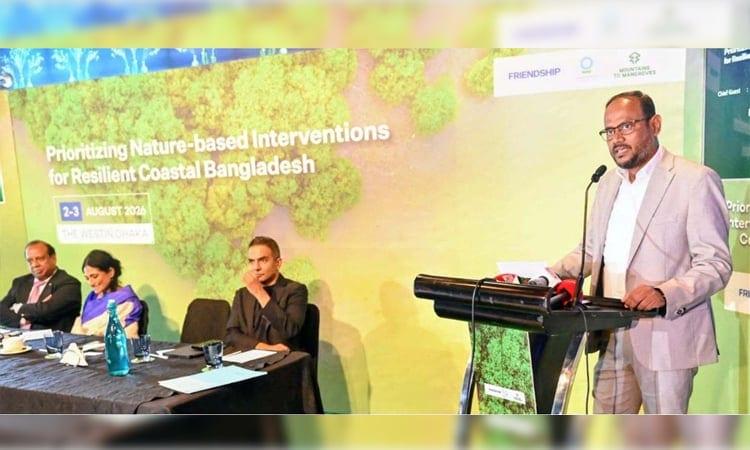
In a recent national workshop, State Minister for Fisheries and Livestock Sultan Salauddin Tuku highlighted the critical role of nature-based solutions in safeguarding the livelihoods of Bangladesh's coastal communities. Tuku stressed that integrating natural resources and ecosystems is key to addressing the challenges posed by climate change, such as rising sea levels and coastal erosion.
The Importance of Nature-Based Solutions
Tuku explained that forests, wetlands, coastal vegetation, and agroforestry systems not only protect the environment but also improve livestock health and food security. These solutions align with the 'One Health' approach, which connects the well-being of humans, animals, and the environment. The workshop, titled 'Prioritizing Nature-Based Interventions for Resilient Coastal Bangladesh,' was organized by Friendship and Conservation International.
Challenges Facing Coastal Regions
Despite Bangladesh's global recognition for tackling climate change, its coastal areas remain highly vulnerable. Frequent cyclones, storm surges, and increasing salinity threaten the environment, economy, and the lives of millions. The fisheries and livestock sectors, vital to the national economy and rural livelihoods, are particularly at risk.
Government Initiatives
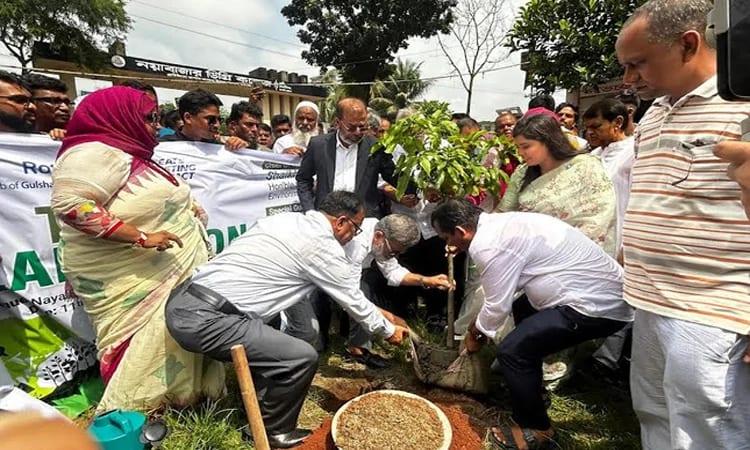
Tuku outlined the government's commitment to enhancing climate resilience through sustainable natural resource management and ecosystem restoration. The national plan to plant 25 crore trees over the next five years aims to restore ecosystems and bolster the resilience of vulnerable communities.
Key Participants
The workshop featured notable attendees, including Friendship Founder Runa Khan, Former Secretary Dr Md Faridul Islam, Department of Livestock Services Director General Md Shahjaman Khan, and Conservation International South Asia Managing Director Saurabh Malhotra.