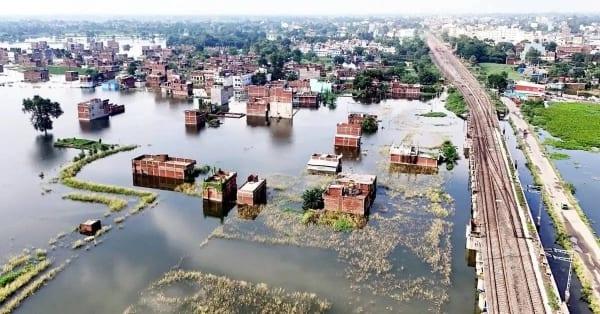
Bangladesh is placing women at the center of its climate adaptation strategy, significantly expanding investments in gender-responsive programmes and infrastructure to protect vulnerable communities from the growing impacts of climate change. With women in coastal and remote areas facing disproportionate risks from rising sea levels, salinity intrusion, and extreme weather events, the government has stepped up targeted interventions aimed at strengthening resilience, improving livelihoods, and ensuring safer living conditions.
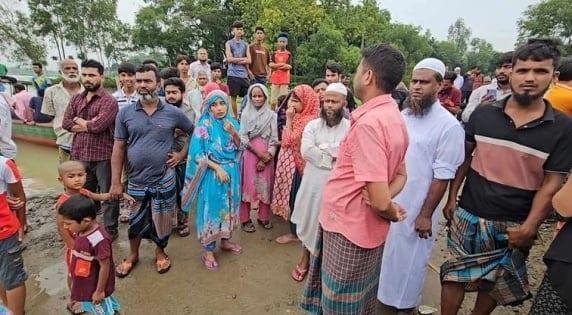
Officials say the approach recognizes that climate change affects different groups in different ways and that sustainable adaptation requires tailored solutions for women. Women often shoulder greater responsibilities during and after disasters because of prevailing socio-economic conditions and gendered divisions of labor. The government's latest climate budget reflects this commitment through dedicated allocations for women's empowerment, climate adaptation, and resilient infrastructure.
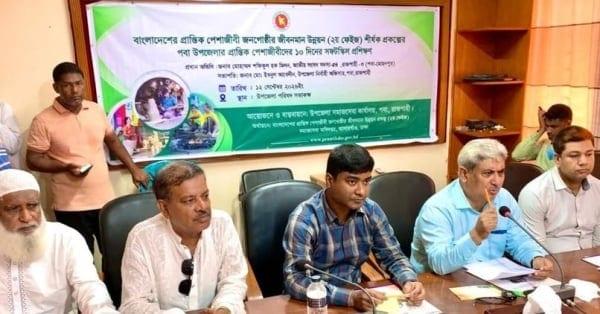
For fiscal year 2026-27, the government has earmarked TK 6,883.6 crore under the programme titled "Capacity Building of women in climate change mitigation and adaptation", reinforcing its efforts to equip women with the skills and resources needed to cope with climate challenges. The Ministry of Women and Children Affairs is implementing specialized adaptation projects to strengthen the resilience of women living in coastal regions, where climate impacts are among the most severe.
In salinity-affected areas such as Dumki Upazila, the government is promoting climate-smart agricultural practices, including cultivation of BRRI Dhan 67, enabling rural women to restore food production and household incomes after traditional single-crop farming was disrupted by saline water. The government's adaptation strategy extends beyond livelihoods to climate-resilient infrastructure that addresses women's specific needs.
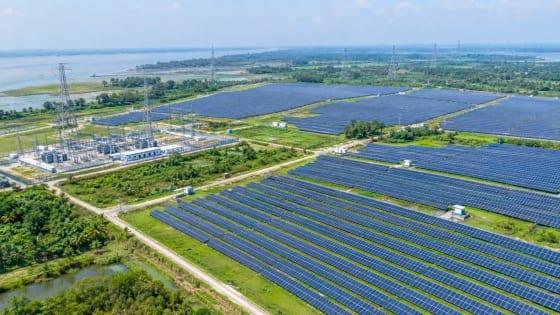
Recognizing infrastructure as the most vital and cost-intensive component of climate adaptation, the government has increased the allocation for "Construction of infrastructure in remote areas for women" to TK 22,164.1 crore in FY27. Across vulnerable regions, newly constructed and rehabilitated cyclone and disaster shelters are being equipped with separate sanitation facilities, wash blocks, and dedicated spaces for women, ensuring greater safety, privacy, and dignity during emergencies.
The Local Government Division is also expanding access to safe drinking water and separate toilet facilities for female students in disaster-prone areas, supporting uninterrupted education and improving health and hygiene standards. To strengthen women's economic participation despite climate-related disruptions, the government is establishing designated market sections for women in rural haat-bazaars, creating opportunities for female entrepreneurs to sustain their businesses and household incomes.
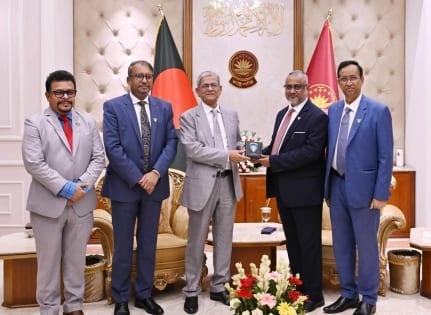
These initiatives are part of Bangladesh's broader strategy to integrate climate resilience with inclusive development. Finance Minister Amir Khosru Mahmud Chowdhury said in the foreword to the Climate Budget Report 2026-27, "Bangladesh stands at a critical juncture where climate vulnerability intersects with the pursuit of sustainable and inclusive development. Ensuring a resilient and climate-responsive development pathway is therefore imperative."