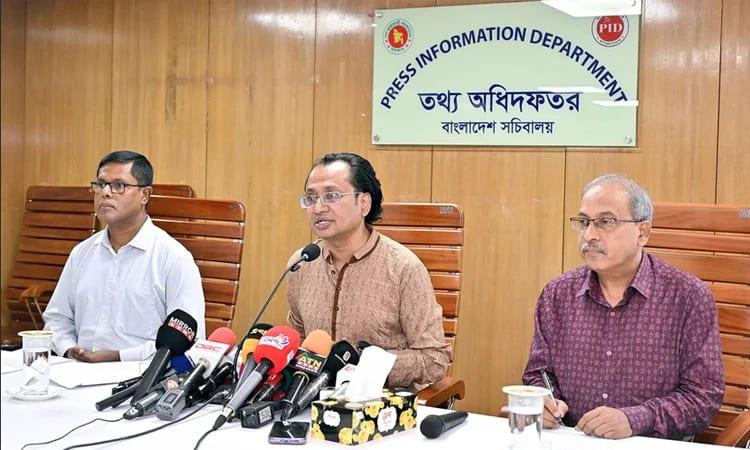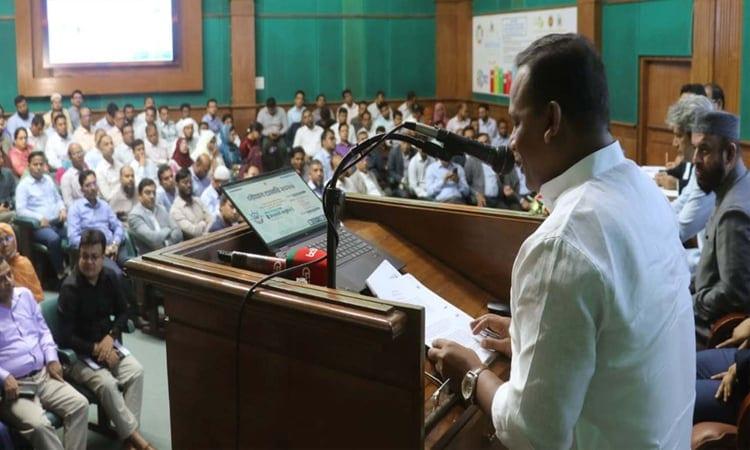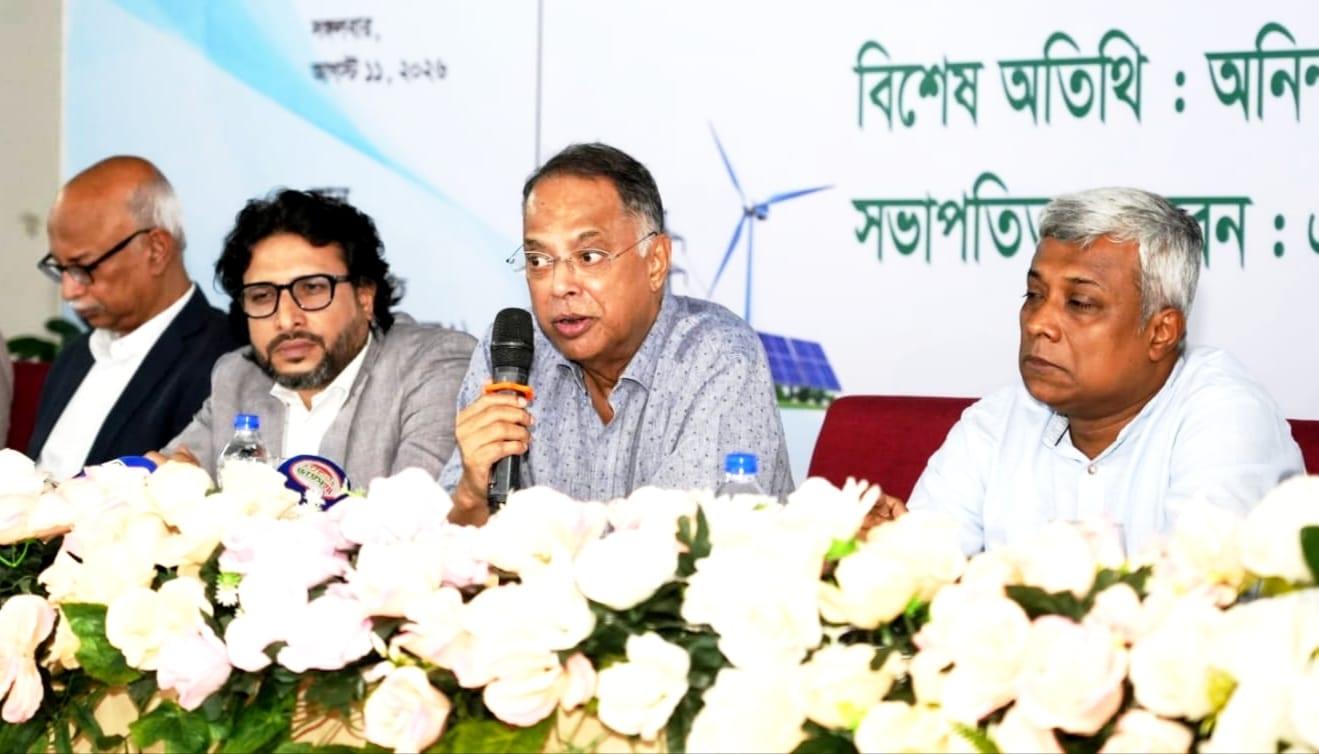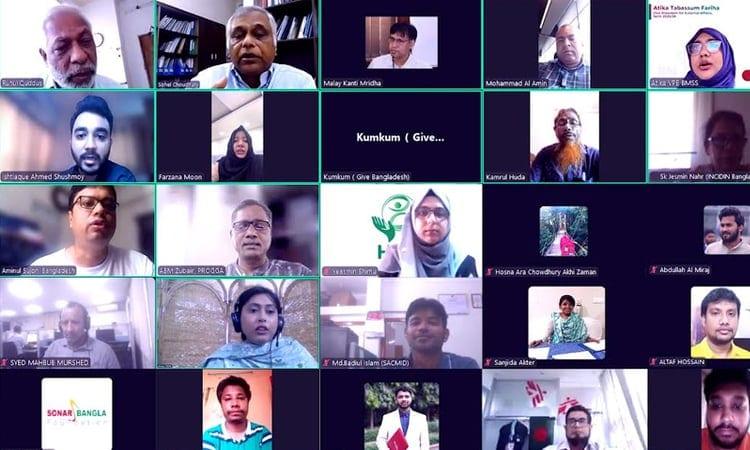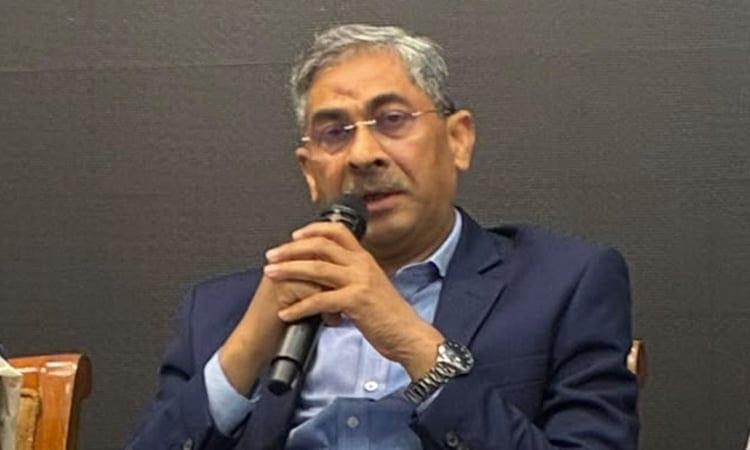
In a concerted effort to safeguard water resources, Bangladesh's Water Resources Minister, Md. Shahiduddin Chowdhury Anee, revealed plans to establish a comprehensive, inclusive, and sustainable water management system. This initiative aims to address the escalating challenges posed by climate change and ensure a resilient future for the nation. Speaking at a seminar organized by the Planning Commission, Anee emphasized the importance of collective efforts and strategic partnerships in achieving this goal.
Challenges and Strategic Initiatives
Anee outlined the specific threats Bangladesh faces, including frequent floods, river erosion, cyclones, drought, waterlogging, and salinity, all of which complicate water management. To combat these issues, the government has approved the Padma Barrage, which is expected to improve livelihoods in the southwestern region and support agricultural and economic growth. Additionally, Anee expressed optimism about the imminent approval of the Teesta Master Plan, pending expert feedback.
The seminar, which was part of a national conference on implementing a five-year strategic framework for achieving Sustainable Development Goals (SDGs), was attended by various dignitaries. Health and Family Welfare Minister Sardar Md Sakhawat Husain served as the chief guest, while Professor Mustafizur Rahman, a Fellow of the Centre for Policy Dialogue (CPD), chaired the event. Other notable speakers included Ana Minj, WaterAid Bangladesh director Partha Hifaz Sheikh, Naripokkho director Advocate Kamrun Nahar, and UNICEF Bangladesh Programme Officer Saifur Rahman.
The initiative reflects Bangladesh's commitment to building a safe, prosperous, and livable environment for all its citizens. Anee highlighted the need for equitable socioeconomic development and achieving specific SDGs, including Goals 3, 5, 6, and 10. These goals focus on good health, gender equality, clean water, and reduced inequalities, underscoring the comprehensive approach to sustainable development.
The seminar brought together experts and policymakers to discuss strategies and collaborative efforts needed to address water management challenges. The collective approach aims to leverage the expertise and resources of various stakeholders to create a robust and resilient water management system.