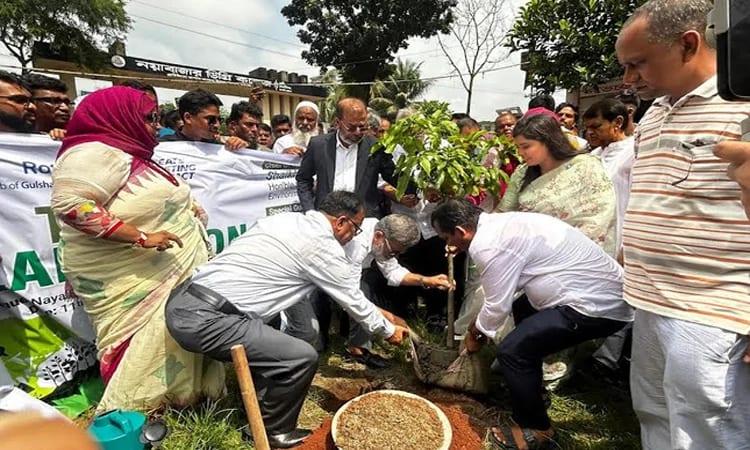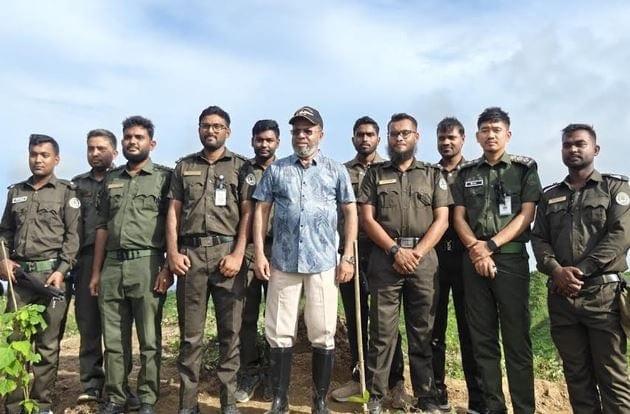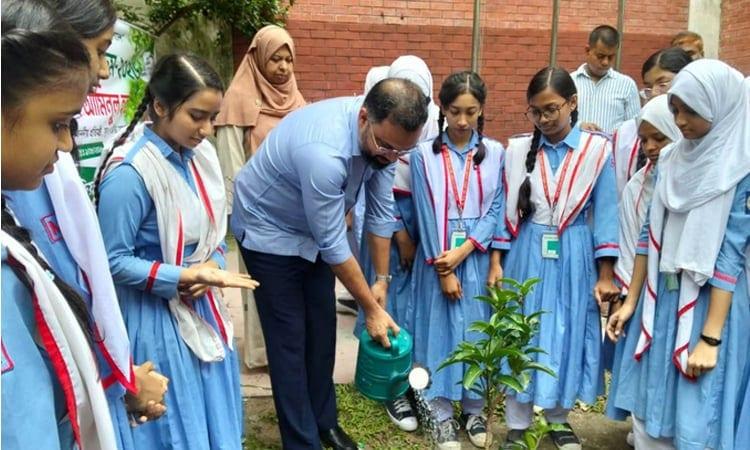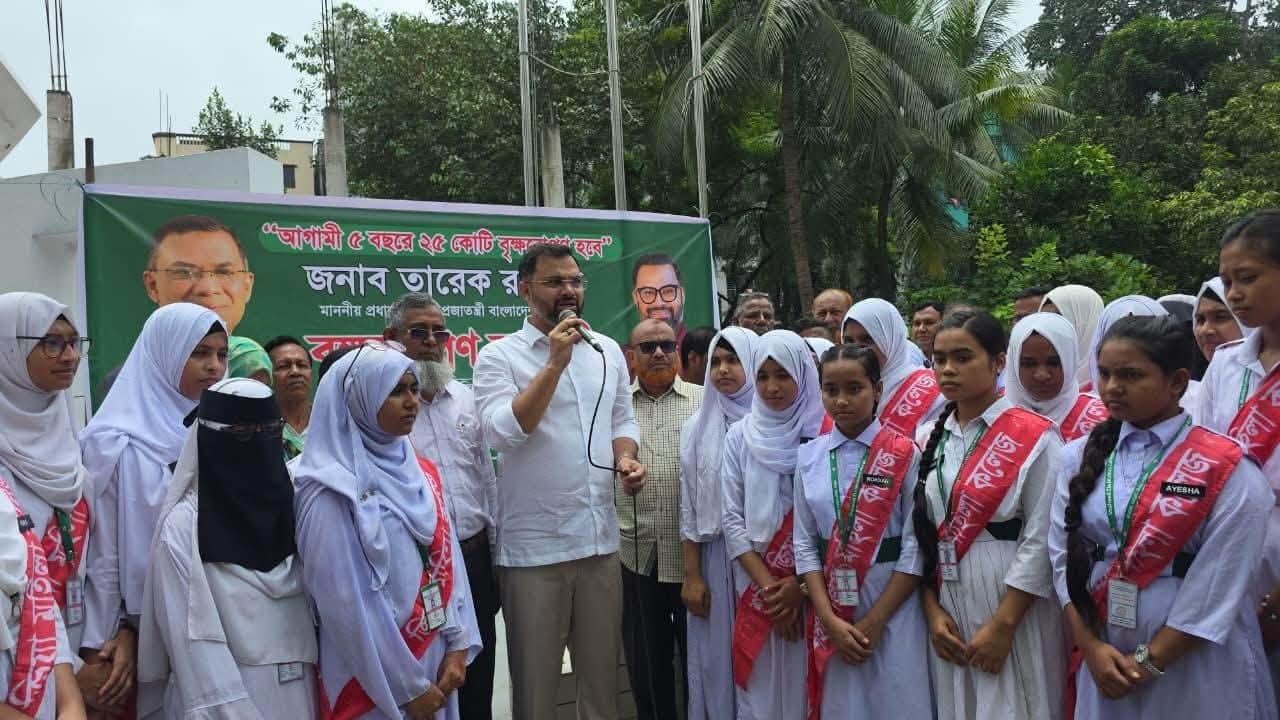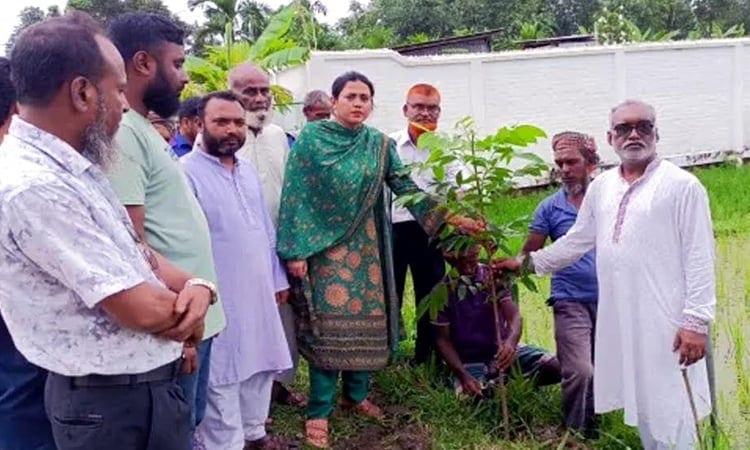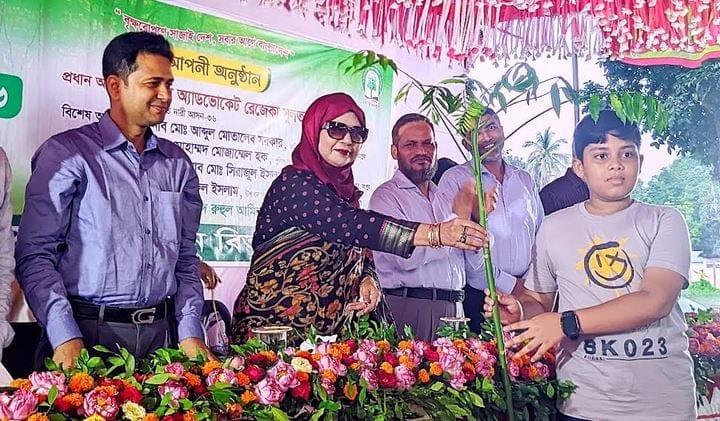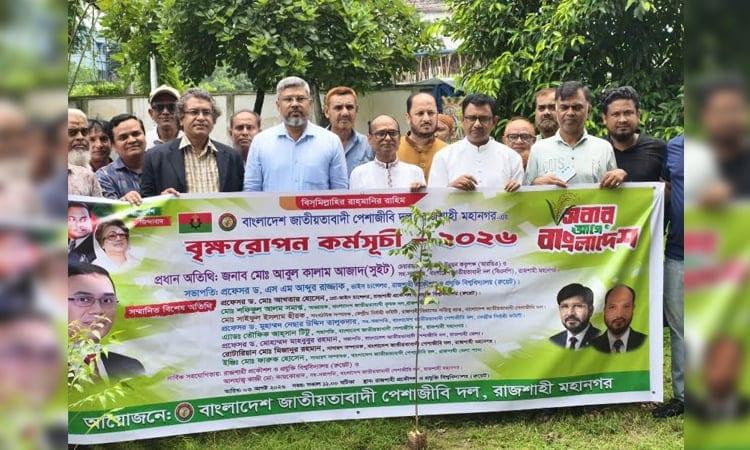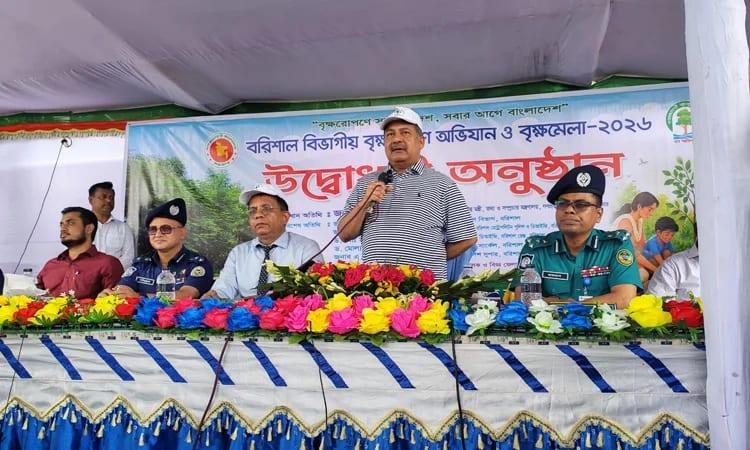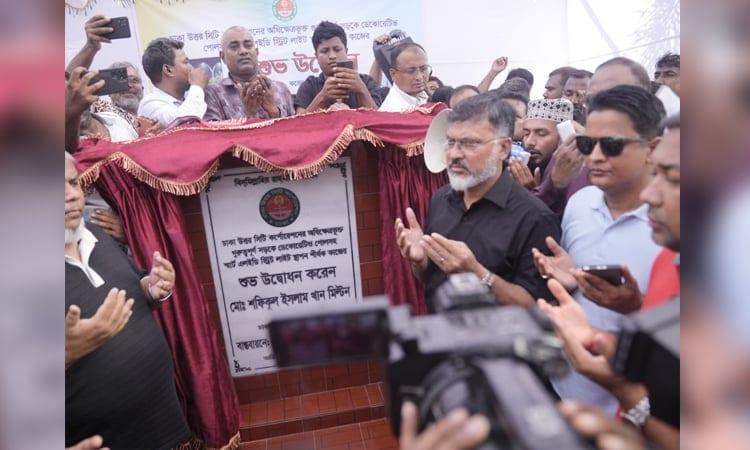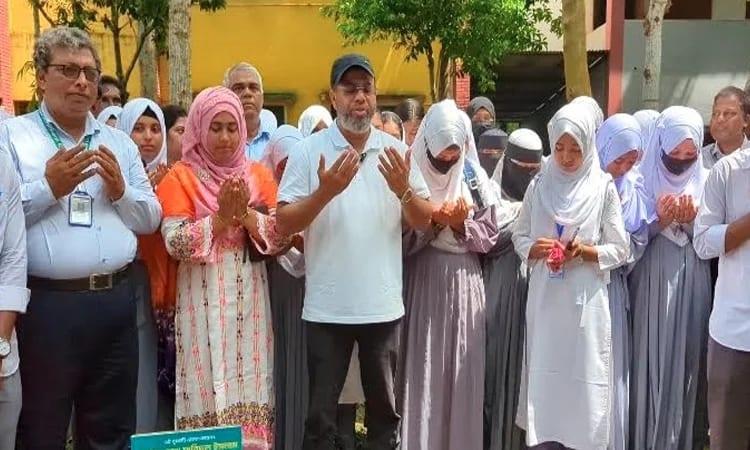
State Minister for Environment, Forest and Climate Change Shaikh Faridul Islam has stressed the need for proper care and preservation of saplings after plantation to ensure the success of the government's tree plantation programme. Speaking at the inauguration of a tree plantation programme at Mongla Government College, he said that planting saplings alone is not enough; they must be properly cared for and preserved. The state minister planted a sapling at the college and led a doa and munajat.
Government's Ambitious Tree Plantation Plan
Faridul announced that the government plans to plant 25 crore saplings across the country over the next five years, including around five crore this year. He emphasized that once the trees grow, they will help reduce the risks of climate change-induced disasters and maintain environmental balance.
Call for Community Participation
The state minister called upon local people and educational institutions to actively participate in the tree plantation programme and take responsibility for caring for the planted saplings. He highlighted that planned tree plantation along with proper maintenance can play an important role in protecting the environment and mitigating the adverse impacts of climate change.
Tree Plantation Activities
During the programme, Faridul also planted saplings at several other locations, including beside the pond of the Mongla Municipal Water Supply Project and at Government T A Faruk School and College, Mongla High Girls School, and St Paul's High School. Local administration officials, representatives of educational institutions, and political leaders attended the programme.
Why This Matters for Bangladesh
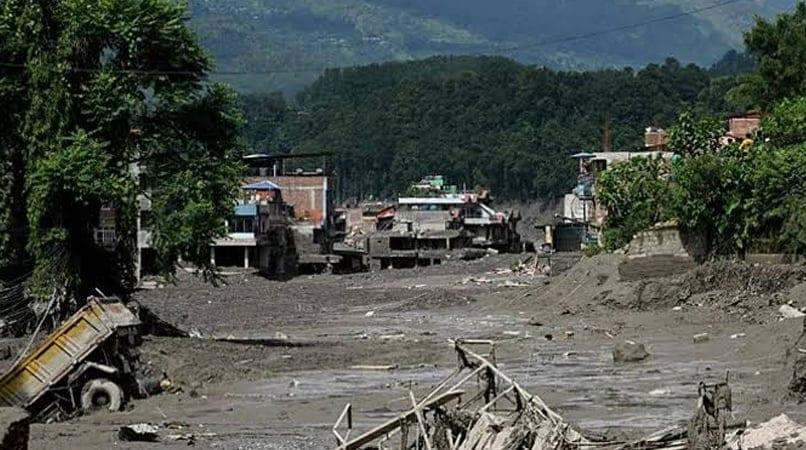
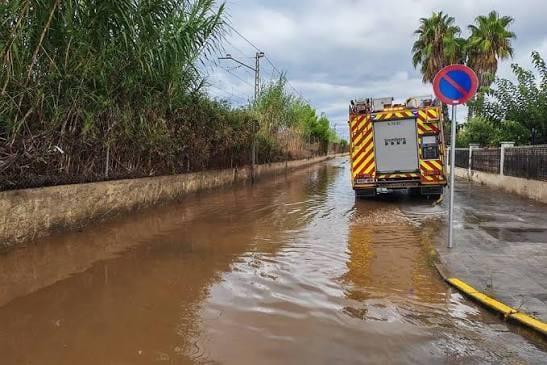
Proper care and preservation of saplings are essential for the success of tree plantation initiatives. With Bangladesh being highly vulnerable to climate change-induced disasters, such as floods and cyclones, increasing the country's tree cover is crucial for environmental stability and disaster risk reduction. Successful tree plantation efforts can help mitigate the adverse impacts of climate change, improve air quality, and provide habitat for wildlife.