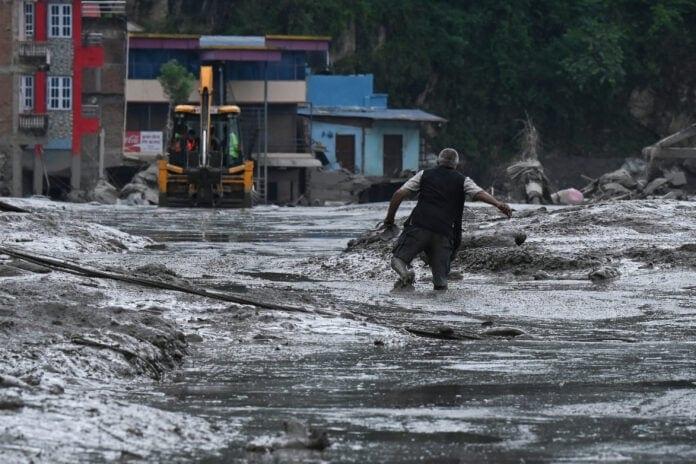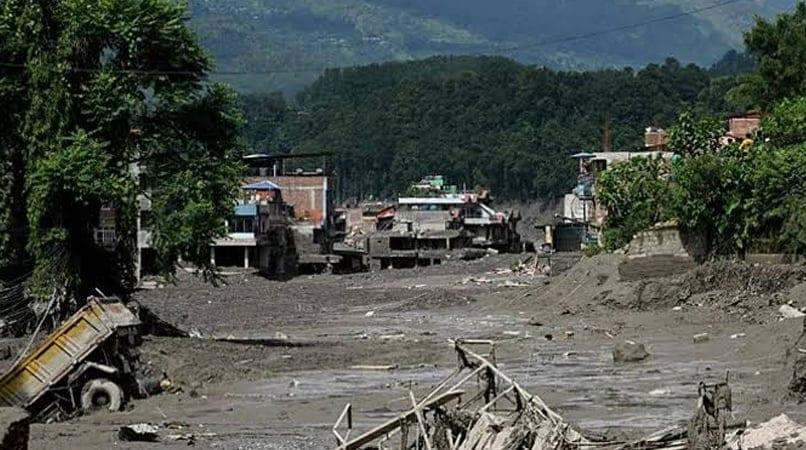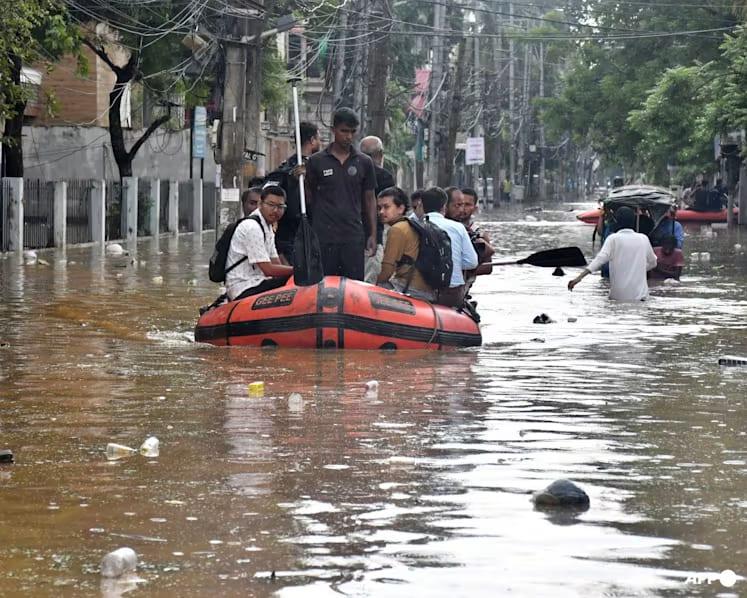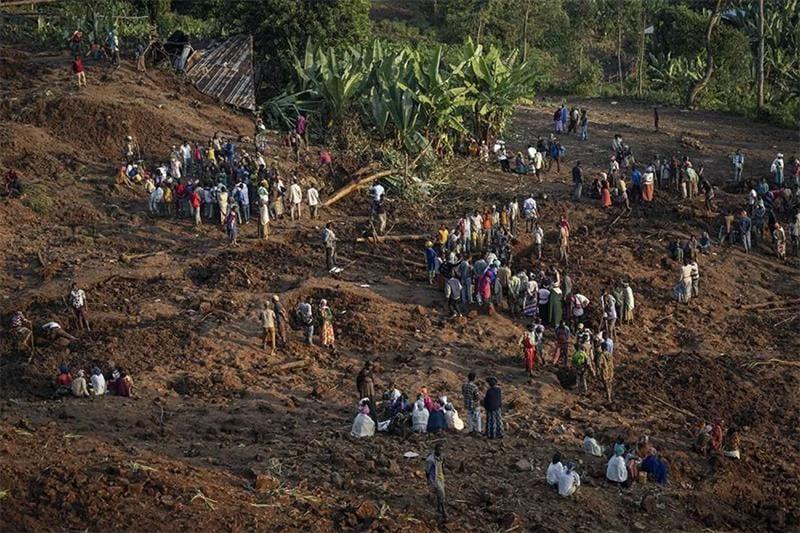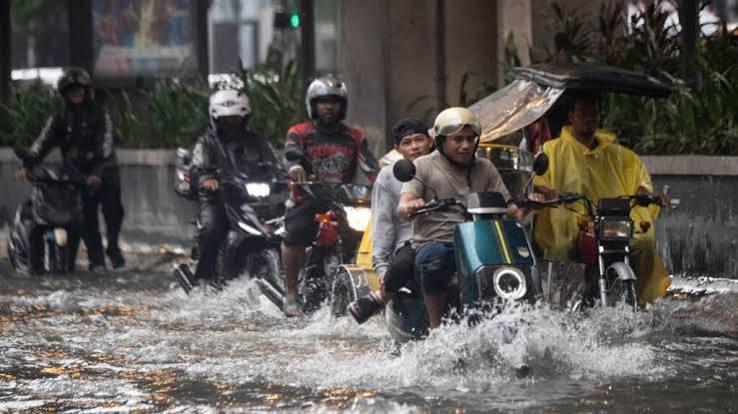
In a heartfelt statement, the Dalai Lama expressed his prayers and condolences for the victims of the devastating floods that struck the Nepal-Tibet border region. The floods, which resulted from flash floods and landslides, have claimed at least 165 lives, with more than 1,300 people still missing. 'I pray for all those who have lost their lives, and offer my sympathy and heartfelt condolences to the bereaved and to all those affected by this tragedy,' the Dalai Lama said.
The 91-year-old spiritual leader, who has been living in exile in India since fleeing Tibet in 1959, is renowned globally for his tireless advocacy for greater autonomy for his Tibetan homeland. China, which claims Tibet as an integral part of its territory, views the Dalai Lama as a separatist.
Reflecting on the recurring nature of such disasters in the region, the Dalai Lama suggested that they may be symptomatic of deeper underlying causes, possibly linked to climate change. 'Since this region has seen calamities in the past as well, these are certainly symptoms of a deeper underlying cause -- whether climate change or other factors,' he noted. He also called for appropriate follow-up measures to prevent future disasters.
Penpa Tsering, leader of the India-based government of Tibetans in exile, the Central Tibetan Administration (CTA), described the disaster as a 'catastrophe.' 'The news of casualties and widespread destruction...and of the hundreds still missing, is heartbreaking,' Tsering said. China, however, labels the exiled Tibetans as a 'separatist political group.'
The recent floods have brought attention to the vulnerability of the Nepal-Tibet border region to natural disasters. The area's geographical and climatic conditions make it prone to such events, which can have devastating consequences for local communities. The international community, including religious and political leaders, continues to monitor the situation and offer support to those affected.