German Chancellor Friedrich Merz has pledged to take stronger climate action in response to mounting criticism that his government has not done enough to combat climate change. Speaking at a two-day cabinet retreat in Neuhardenberg, Merz emphasized the need to both curb climate change and adapt to its consequences. This announcement comes after a summer in which Germany experienced unprecedented heatwaves, breaking temperature records and facing significant economic and health impacts.
Impact of Extreme Weather
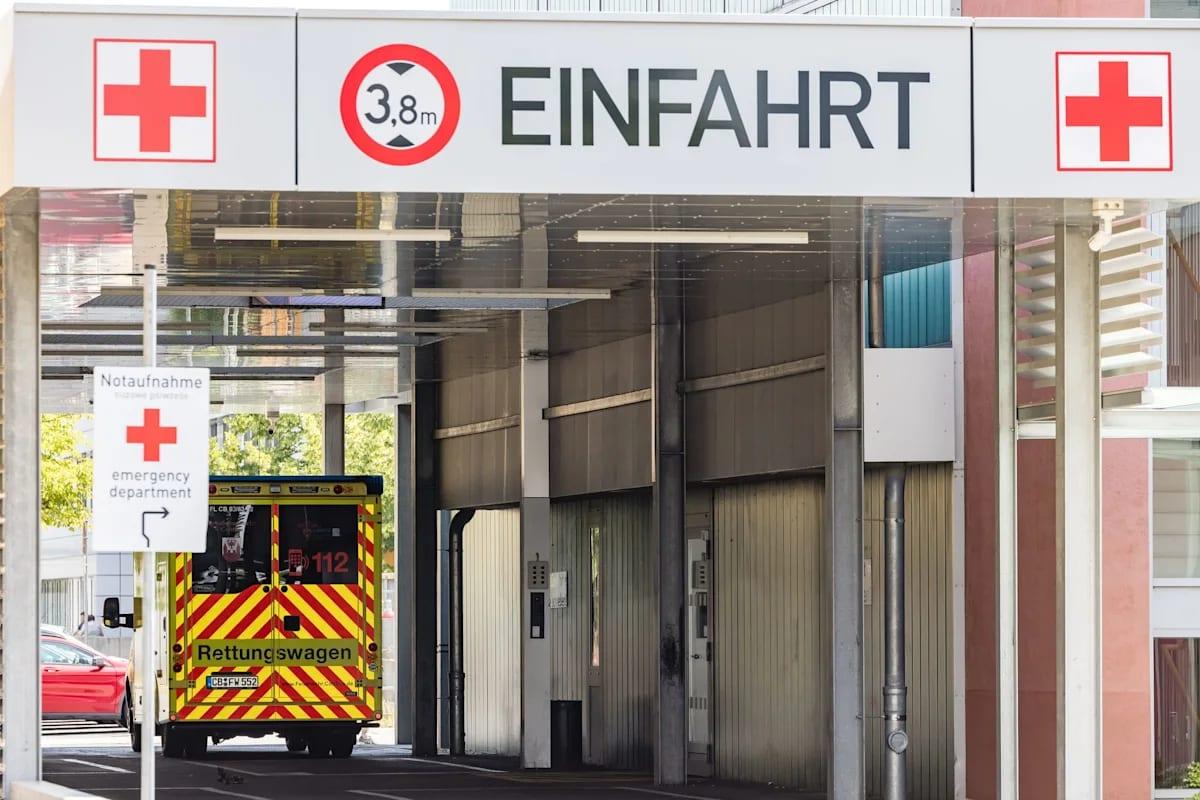
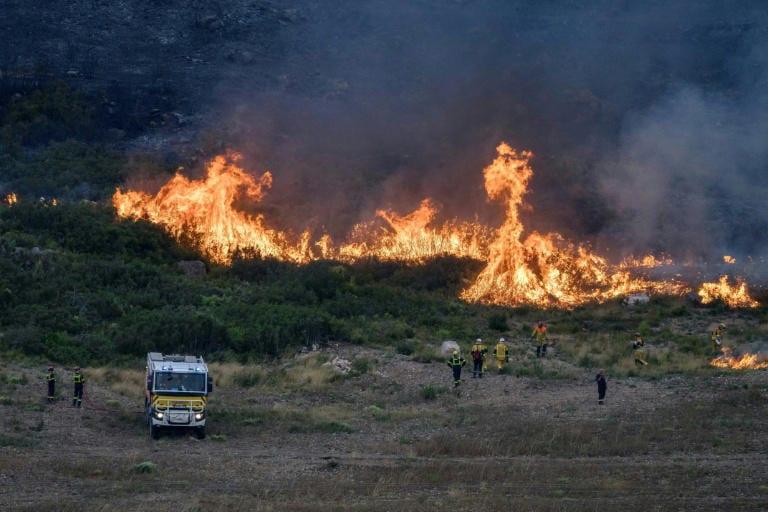
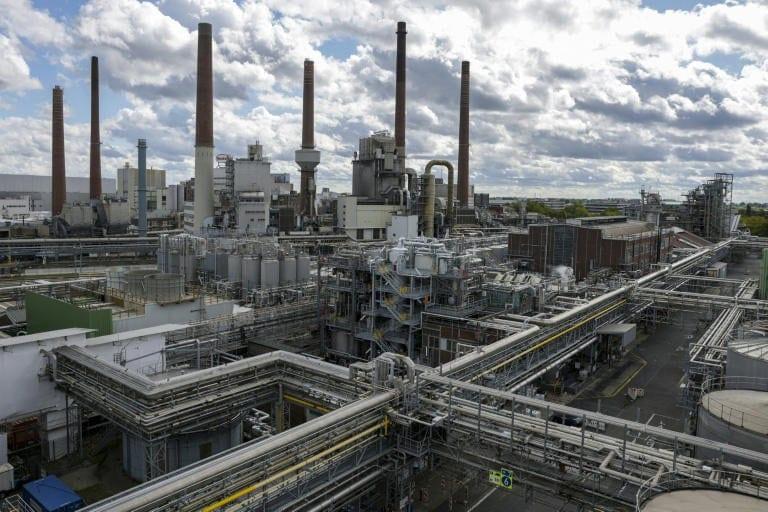
The summer of 2026 has been particularly brutal for Germany, with heatwaves breaking all-time temperature records, reaching over 42 degrees Celsius. Official data indicates around 14,000 heat-related deaths this year, along with widespread wildfires, damaged harvests, and restricted river navigation due to low water levels. The economic cost of these extreme conditions is estimated to be at least 36 billion euros.
Political Pressure and Criticism
Merz's centre-right CDU/CSU alliance has faced criticism from both the Greens party and environmental activists, who argue that the government is not acting with sufficient urgency. The Greens party leader, Felix Banaszak, called for a fundamental change in course, particularly regarding the green energy transition. Additionally, the far-right Alternative for Germany (AfD) party, which denies the scientific consensus on man-made climate change, is leading in the polls, adding pressure on Merz's government.
Government's Stance and Future Actions
Until now, Merz's government has emphasized balancing climate action with efforts to revive Germany's economy. However, the recent extreme weather events have prompted a shift in approach. Social Democrat politicians have suggested enshrining climate protection in the constitution, though this has been met with resistance from the CDU/CSU. An expert commission forecasted in May that Germany would miss its 2030 greenhouse gas emissions targets, highlighting the urgency for new measures.
Why This Matters for Bangladesh
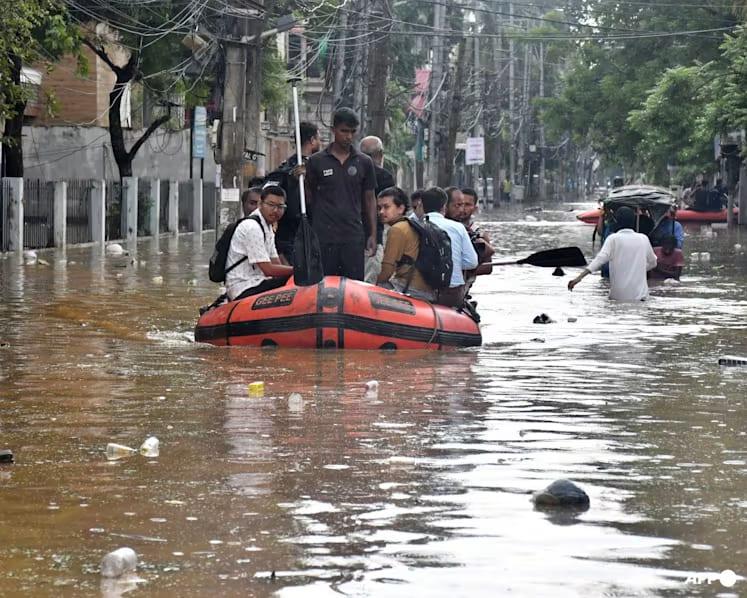
The commitment to stronger climate action by Germany is significant for Bangladesh, a country highly vulnerable to climate change. As a low-lying nation with a large population, Bangladesh faces severe risks from rising sea levels, increased flooding, and extreme weather events. International efforts and commitments, such as those pledged by Germany, are crucial for providing the necessary support and resources to help Bangladesh adapt and mitigate the impacts of climate change.