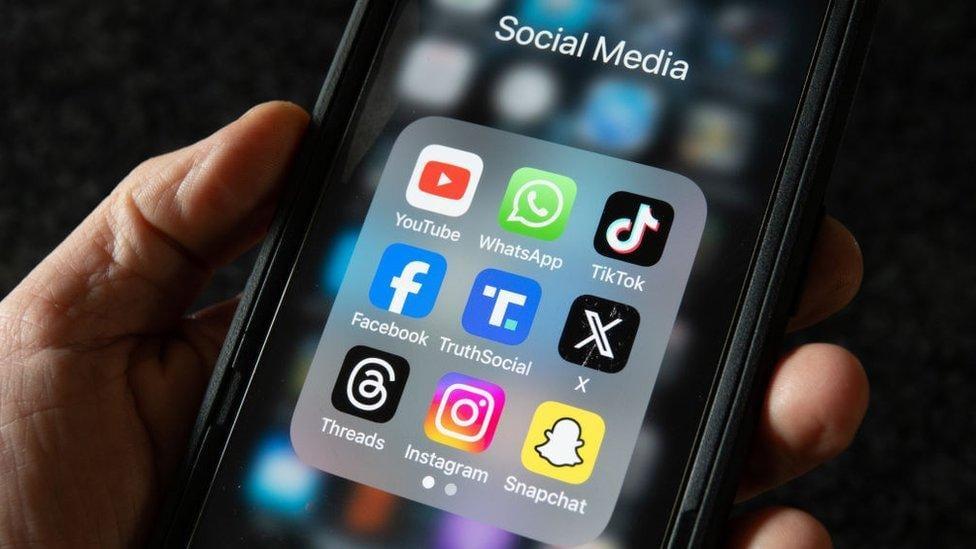
New Zealand's government introduced legislation to ban under-16s from using social media, joining a number of countries seeking to protect youngsters from sites such as Instagram and TikTok. Under the proposed law, firms like Meta could be fined up to 10 percent of their global revenue if they fail to comply. Prime Minister Christopher Luxon cited the harm being done to a generation of New Zealand children, with one in three aged between 13 and 17 spending at least five hours a day on social media. Platforms would be required to verify users' ages and assess the risks they pose, with penalties for non-compliance. The bill faces opposition from coalition partners and the main opposition party, which has raised concerns over implementation and effectiveness. The legislation aims to safeguard young people from harmful content, addictive technology, and pressures affecting their mental health, sleep, and education.
Legislative Proposal and Penalties
The proposed law mandates social media platforms to verify users' ages using existing account information, facial age estimation, digital ID services, and formal ID. Platforms like Instagram, TikTok, Snapchat, and Facebook would need to take reasonable steps to ensure users are over 16. Non-compliance could result in fines of up to 10 percent of a company's global revenue. The legislation also requires platforms to assess the risks they pose and report on how those dangers are being reduced.
Opposition and Concerns
The bill faces significant opposition. The National Party's coalition partners, the libertarian ACT party and populist NZ First, have expressed their disapproval. NZ First cited the failure of similar legislation in Australia, while ACT argued the law would be ineffective and easily circumvented by teenagers. The main opposition party, Labour, has submitted a list of questions regarding implementation, age verification methods, and the platforms affected, indicating a cautious approach before offering support.
International Context and Impact
New Zealand is following the lead of other countries, notably Australia, which implemented a world-first ban on children using social media in December. The UK, France, and others are also considering similar measures. Despite Australia's legislation, a recent study found little evidence that teenagers have turned away from social media, raising questions about the effectiveness of such bans. The New Zealand government remains committed to the legislation, emphasizing the need to protect young people from the adverse effects of social media.