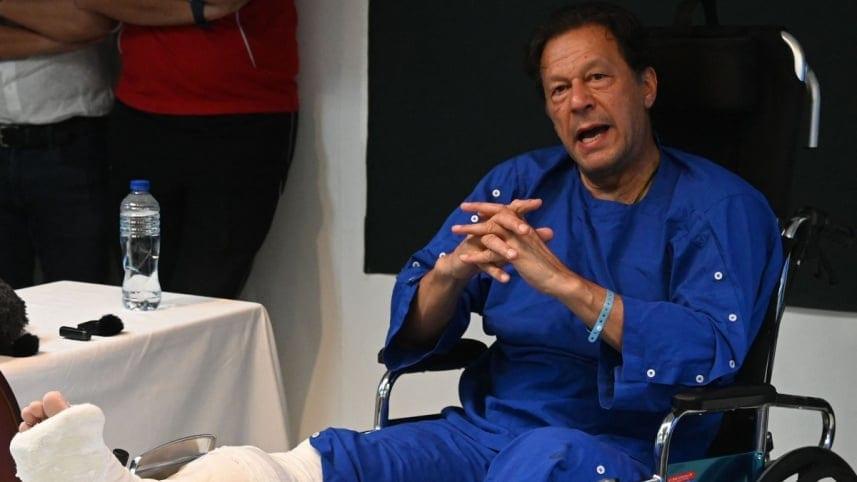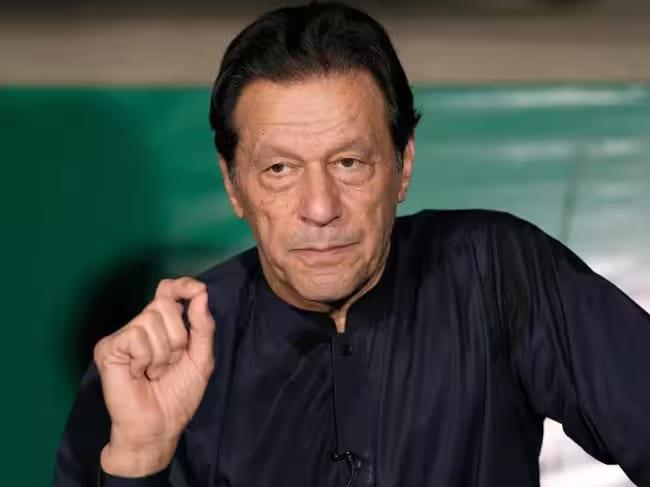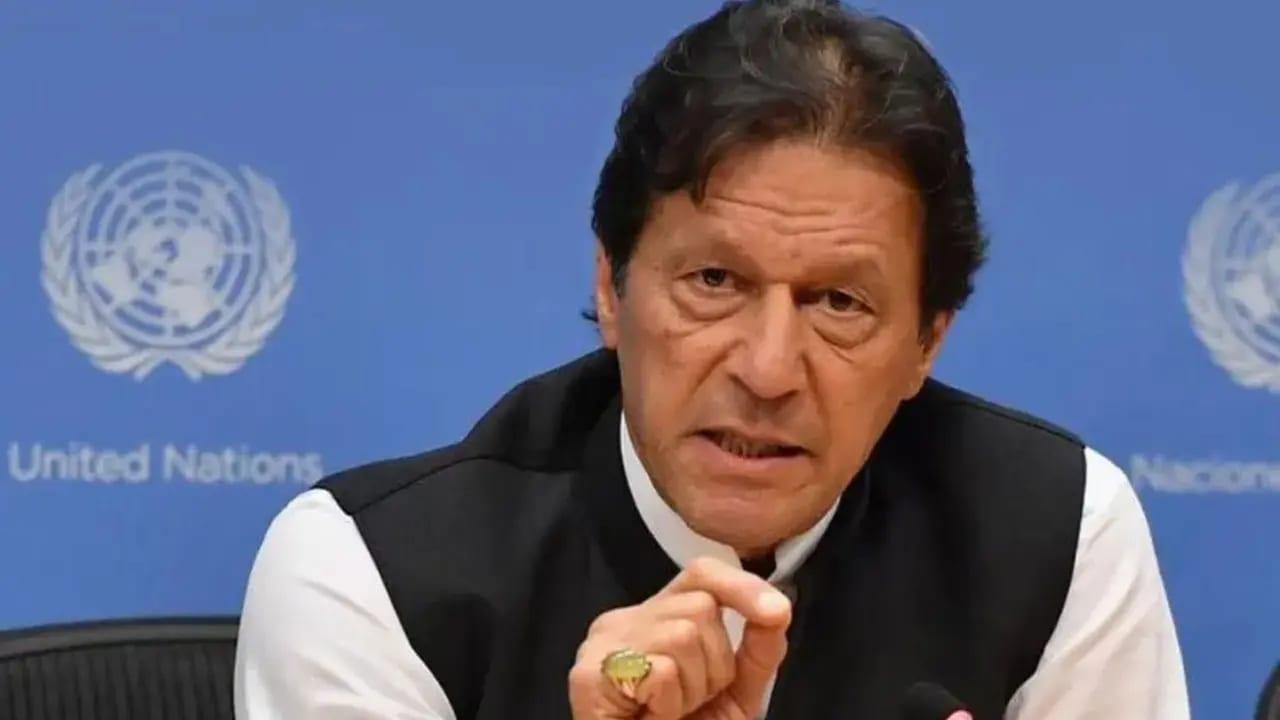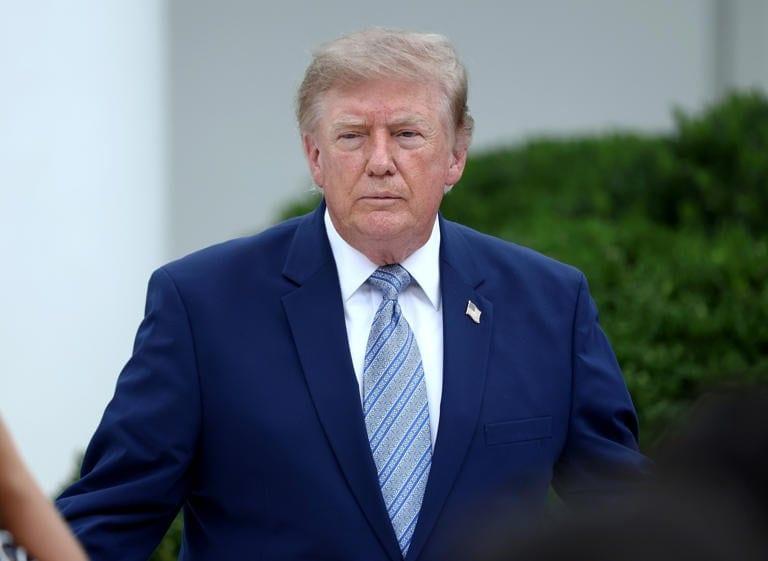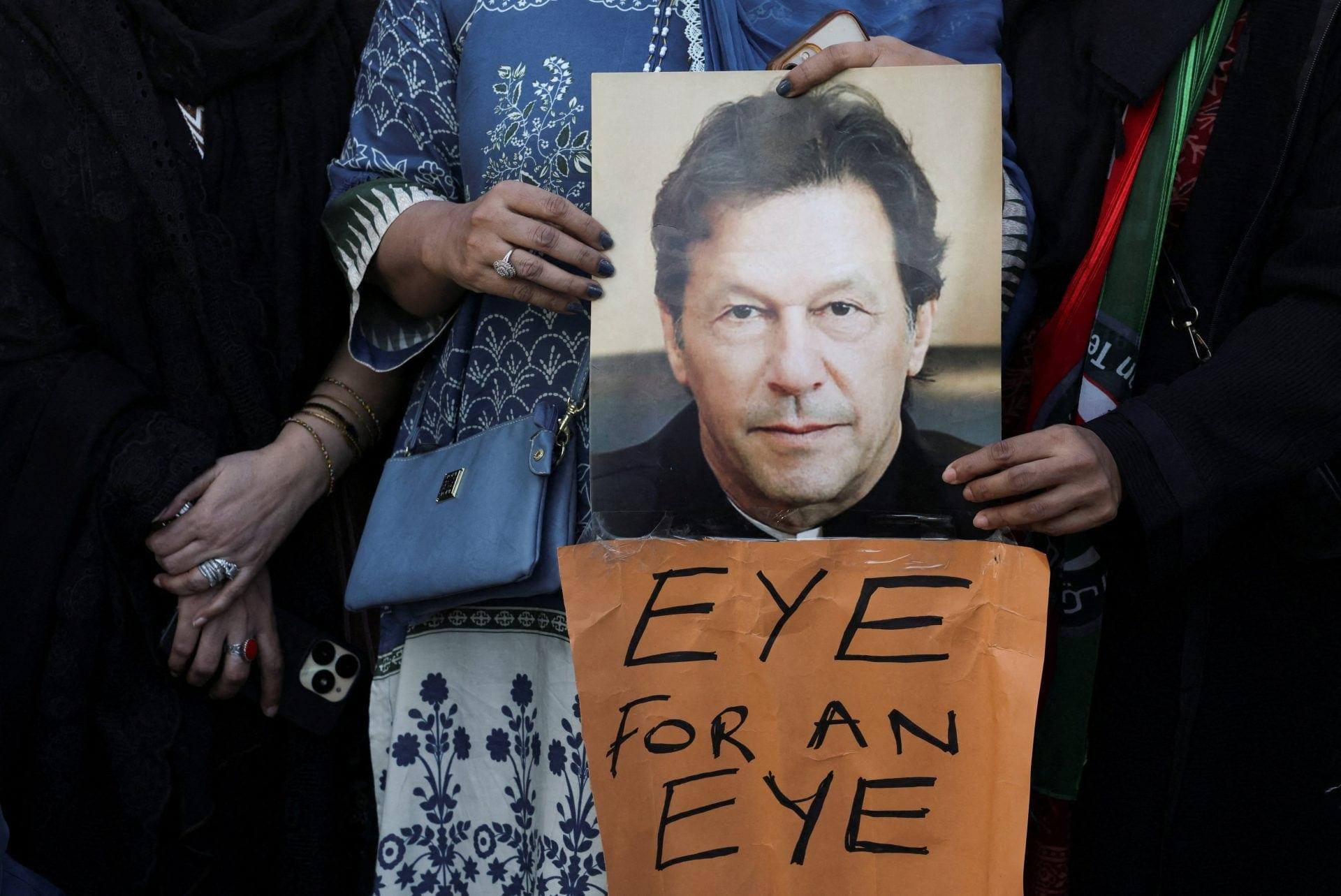
A group of 21 former international cricket captains, including India's Sunil Gavaskar and Kapil Dev, have signed a letter to Pakistan's government regarding the health care of jailed former prime minister Imran Khan. The 73-year-old, who was also a former Pakistan cricket captain, has been in jail since 2023 and was sentenced last year to 17 years on corruption charges he denies. The Supreme Court ordered Khan be taken to a private hospital in Islamabad for treatment, but he was transferred back to jail shortly after. The captains' letter outlines three specific requests to ensure Khan receives adequate medical care.
The first request is for the medical board directed by the Supreme Court to be permitted to complete a full and independent assessment of Khan's health, particularly focusing on the reported loss of vision in his right eye. Secondly, they requested that the weekly visits by Khan's family, which were reinstated by the court, be honoured without interruption or administrative delay. Lastly, they demanded that the treatment mandated after the medical assessment be provided without delay.
Signatories of the letter included prominent cricket figures from around the world, such as Dilip Vengsarkar (India), Michael Atherton, Michael Brearley, Nasser Hussain, Andrew Strauss, and David Gower (England), Allan Border, Ian Chappell, Belinda Clark, Adam Gilchrist, Steve Waugh, and Kim Hughes (Australia), Clive Lloyd (West Indies), and John Wright (New Zealand). This follows an earlier letter in February that also addressed Khan's medical treatment.
Imran Khan served as Pakistan's prime minister from 2018 to 2022 before being removed in a no-confidence vote. His arrest in 2023 triggered nationwide protests, some of which turned violent. Khan and his party, Pakistan Tehreek-e-Insaf, maintain that the cases against him are politically motivated.
The health and well-being of Imran Khan have become a significant concern, particularly given his contributions to cricket and politics. The appeal by these cricket legends highlights the international attention and concern surrounding his current situation.
For Bangladeshi readers, the situation underscores the broader issues of political instability and the treatment of political figures in neighbouring countries. It also reflects the transnational connections within the cricketing world, where players and officials often form lasting bonds that extend beyond the game.