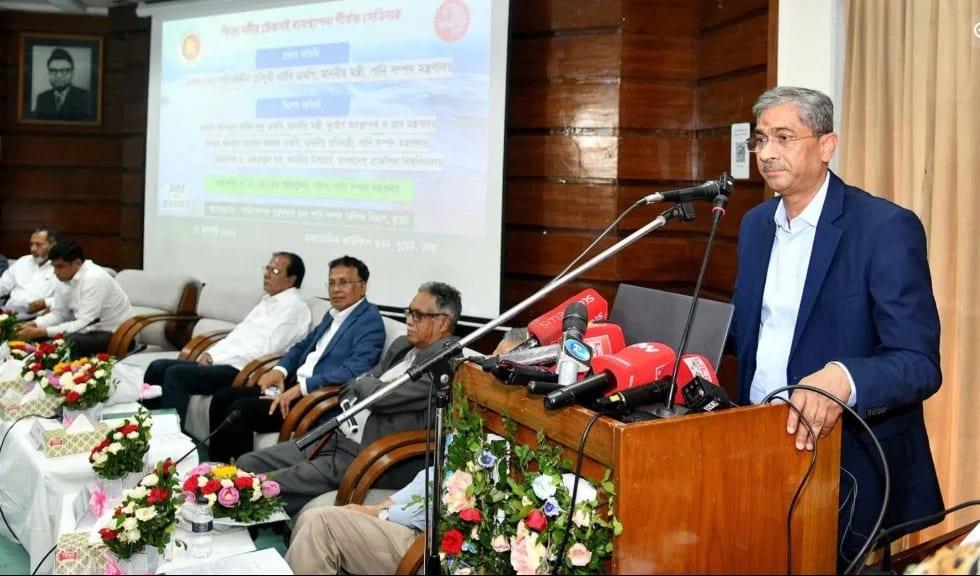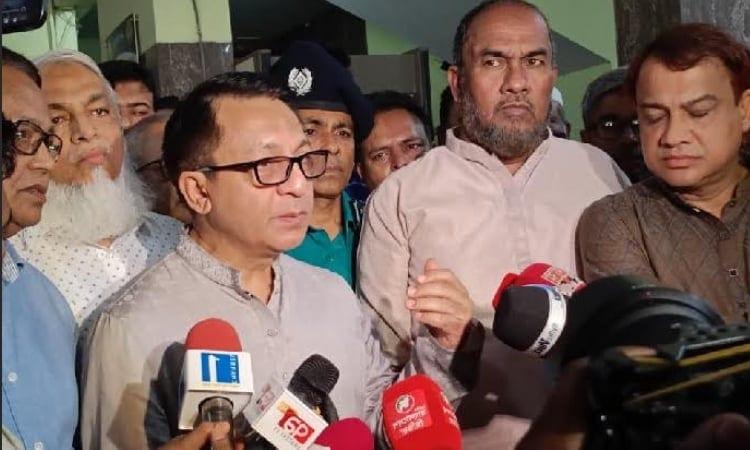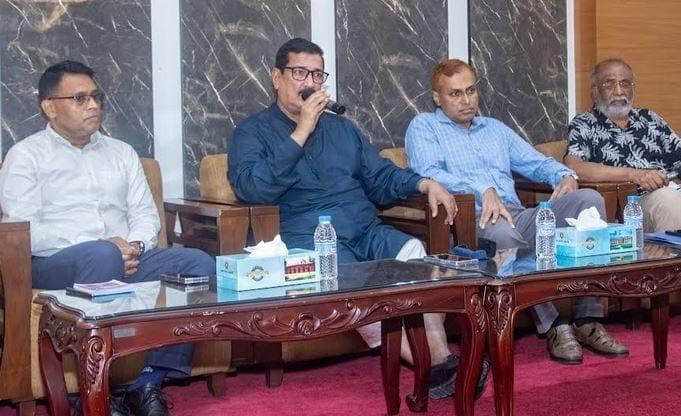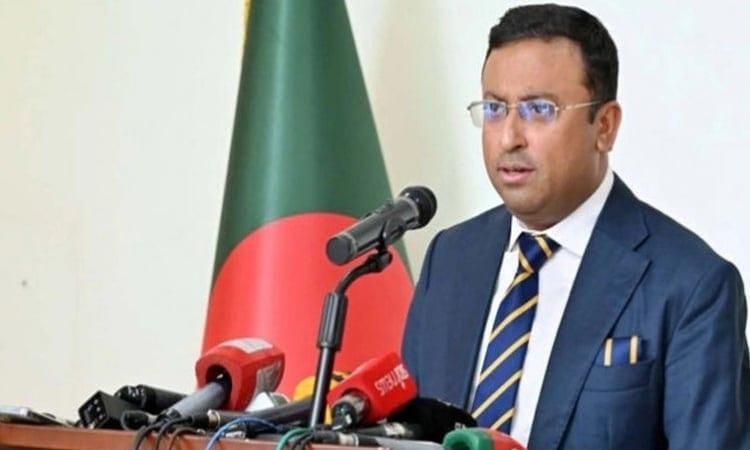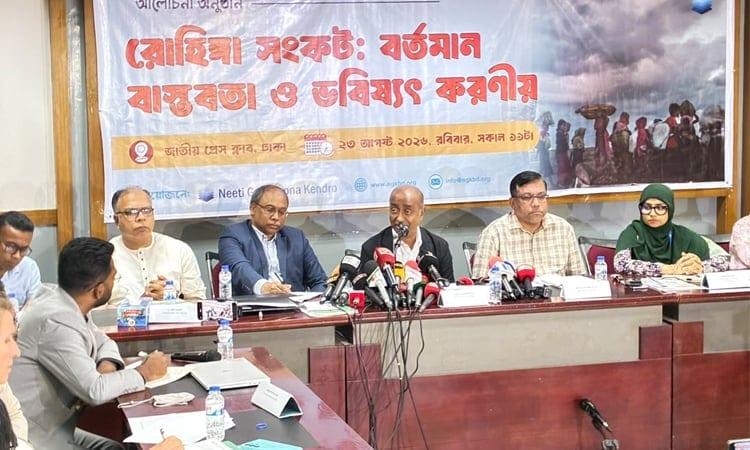
Bangladesh has extended shelter to Rohingyas fleeing persecution in Myanmar purely on humanitarian considerations, stated Law, Justice and Parliamentary Affairs Minister Md Asaduzzaman. Speaking at a discussion titled 'Rohingya Crisis: Current Reality and Future Course of Action,' organized by the Policy Research Centre at the National Press Club, the minister clarified that the Rohingya crisis is an internal problem of Myanmar, and Bangladesh is addressing it from a humanitarian perspective.
Minister Asaduzzaman emphasized that safeguarding the territorial integrity of Bangladesh is the country’s foremost priority. While the government has given importance to the security perspective in protecting its territory, it has never bypassed the diplomatic and social dimensions of the issue. The minister highlighted that the government is attaching the highest priority to human rights to ensure that there are no allegations of human rights violations against the Rohingya community.
The minister also addressed the growing trend of crime in the Rohingya camps, stressing the need to tackle this issue. He made it clear that the Rohingyas are not Bangladeshis and do not belong to the population of this territory. However, he asserted that the Rohingyas are human beings with human rights and are culturally and ethnically indigenous to Myanmar, entitled to certain protections under international law.
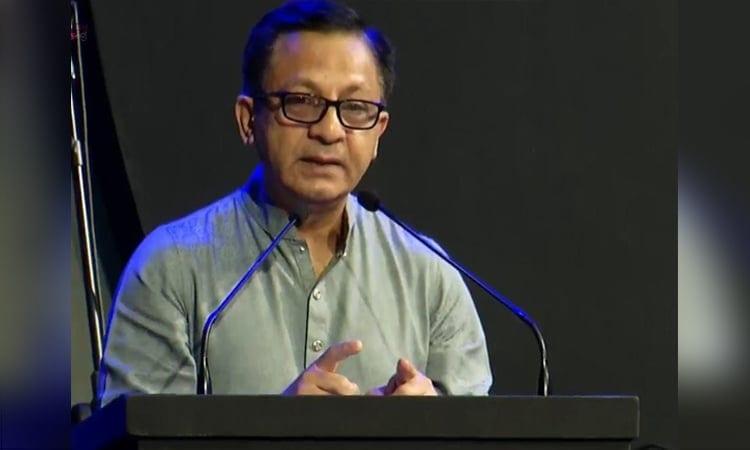
The discussion was moderated by Policy Research Centre Trustee Member Prof SK Toufiq M Haque, with former Bangladesh Ambassador to Myanmar Mohammad Sufiur Rahman presenting the keynote paper. Other participants included Policy Research Centre Executive Director Dr Shakil Ahmed, Prof. Dr Ishrat Zakia Sultana of North South University, journalist Parimal Palma, Rohingya women’s rights activist Razia Sultana, and teacher of Jatiya Kabi Kazi Nazrul Islam University Mohammad Esha Ibn Belal.
The Rohingya crisis has been a longstanding issue, with hundreds of thousands of Rohingyas fleeing violence and persecution in Myanmar’s Rakhine State. Bangladesh, sharing a border with Myanmar, has borne the brunt of the crisis, hosting over a million Rohingya refugees in Cox’s Bazar. The humanitarian efforts by Bangladesh have been widely recognized, though the long-term solution remains elusive, requiring international cooperation and Myanmar’s commitment to address the root causes of the crisis.
For Bangladesh, the Rohingya issue is not just a humanitarian challenge but also a matter of national security and diplomatic engagement. The government’s approach balances humanitarian assistance with efforts to ensure the safety and security of its own citizens, while advocating for a sustainable resolution to the crisis that respects the rights and dignity of the Rohingya people.