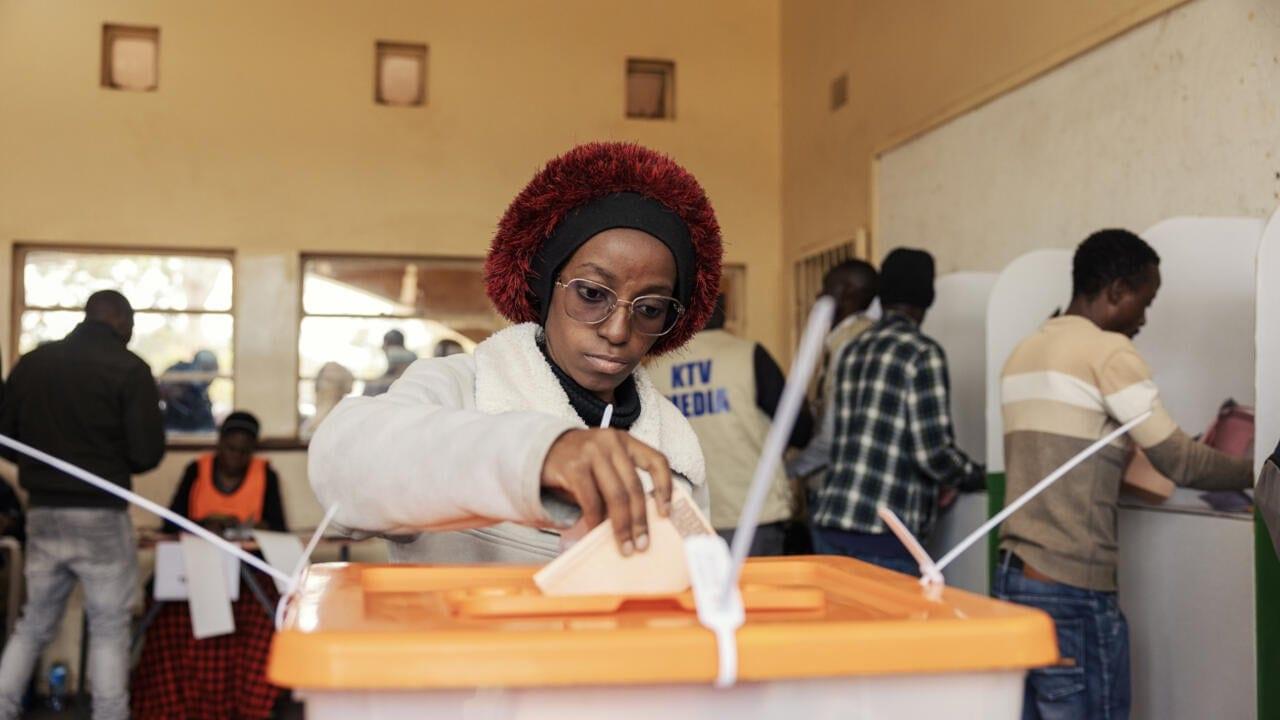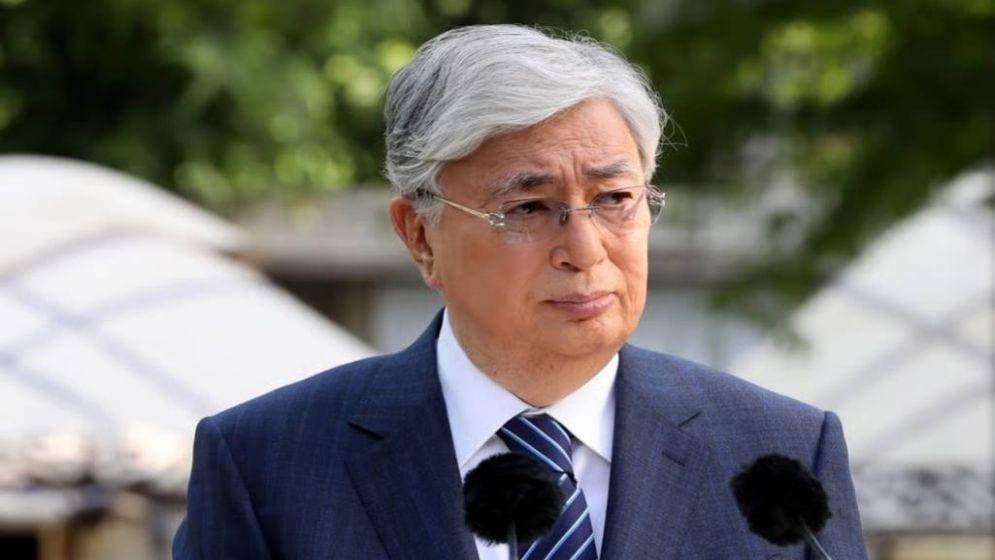
Kazakhstan is poised to elect a new unicameral parliament on Sunday, following significant constitutional changes that authorities claim will democratize the nation. However, critics argue that these changes are designed to cement President Kassym-Jomart Tokayev's power. The constitutional amendments, adopted in March, abolished the upper house Senate and introduced a single-body parliament known as the kurultai, inspired by medieval councils of nomadic Central Asians.
Officials assert that the new kurultai will have greater influence in political decision-making compared to the previous system, where power was heavily concentrated in the presidency. President Tokayev, who assumed office in 2019, has promoted a reform program called "Just Kazakhstan" since the 2022 riots that resulted in 238 deaths. He claims to be distancing himself from his authoritarian predecessor, Nursultan Nazarbayev, who ruled for three decades after the Soviet Union's collapse.
Despite Tokayev's rhetoric, only seven state-approved parties, all loyal to him, have been allowed to field candidates in the upcoming vote. Genuine opposition groups remain banned. Consequently, the pro-Tokayev party Adilet is expected to win the majority of the 145 seats. Adilet is essentially a rebrand of the current ruling party, Amanat, created to support Tokayev's agenda.
The constitutional changes have also reset term limits for Tokayev, enabling him to run again in 2029, although he has stated he does not intend to stay in office beyond then. Kazakhstan, an ally of Russia and China, is strategically important due to its vast natural resources and location between Europe and Asia. Around 12.6 million of the country's 20 million population are eligible to vote in this crucial election.
The outcome of these elections will significantly impact Kazakhstan's political landscape and its relationships with global partners. The European Union, in particular, views Kazakhstan as an important ally due to its strategic location and natural resources. The election results are expected to reinforce Tokayev's hold on power, potentially influencing the nation's future political and economic policies.