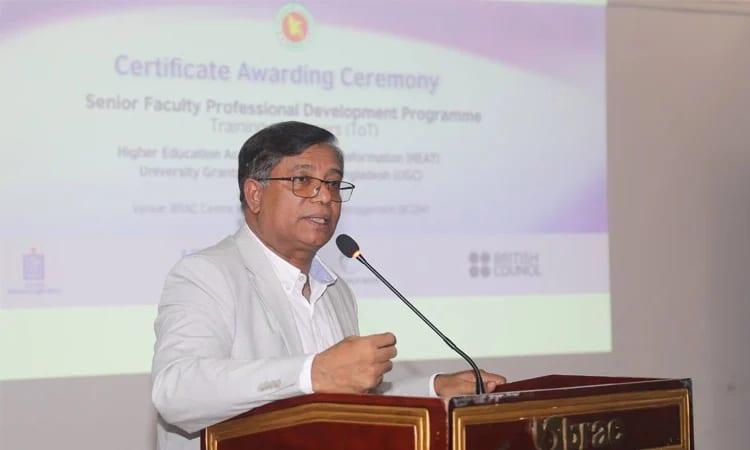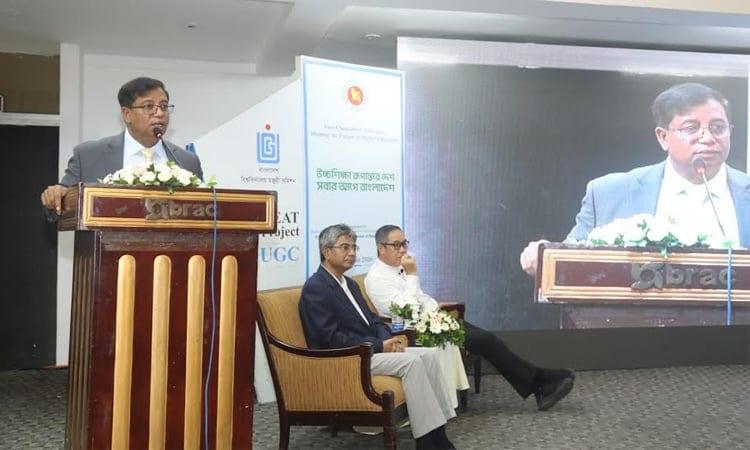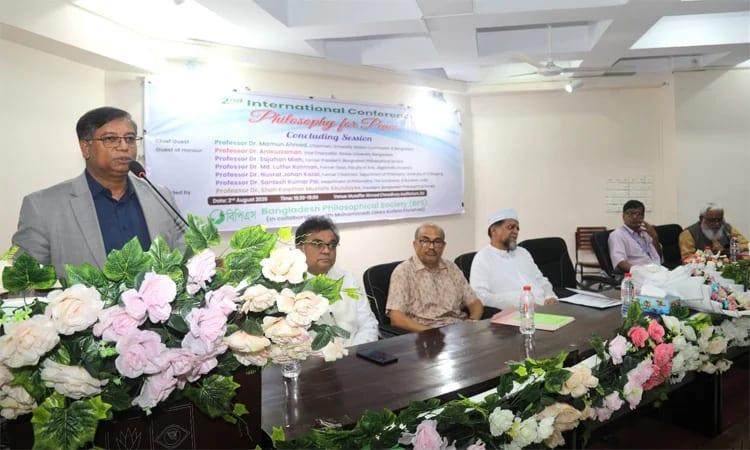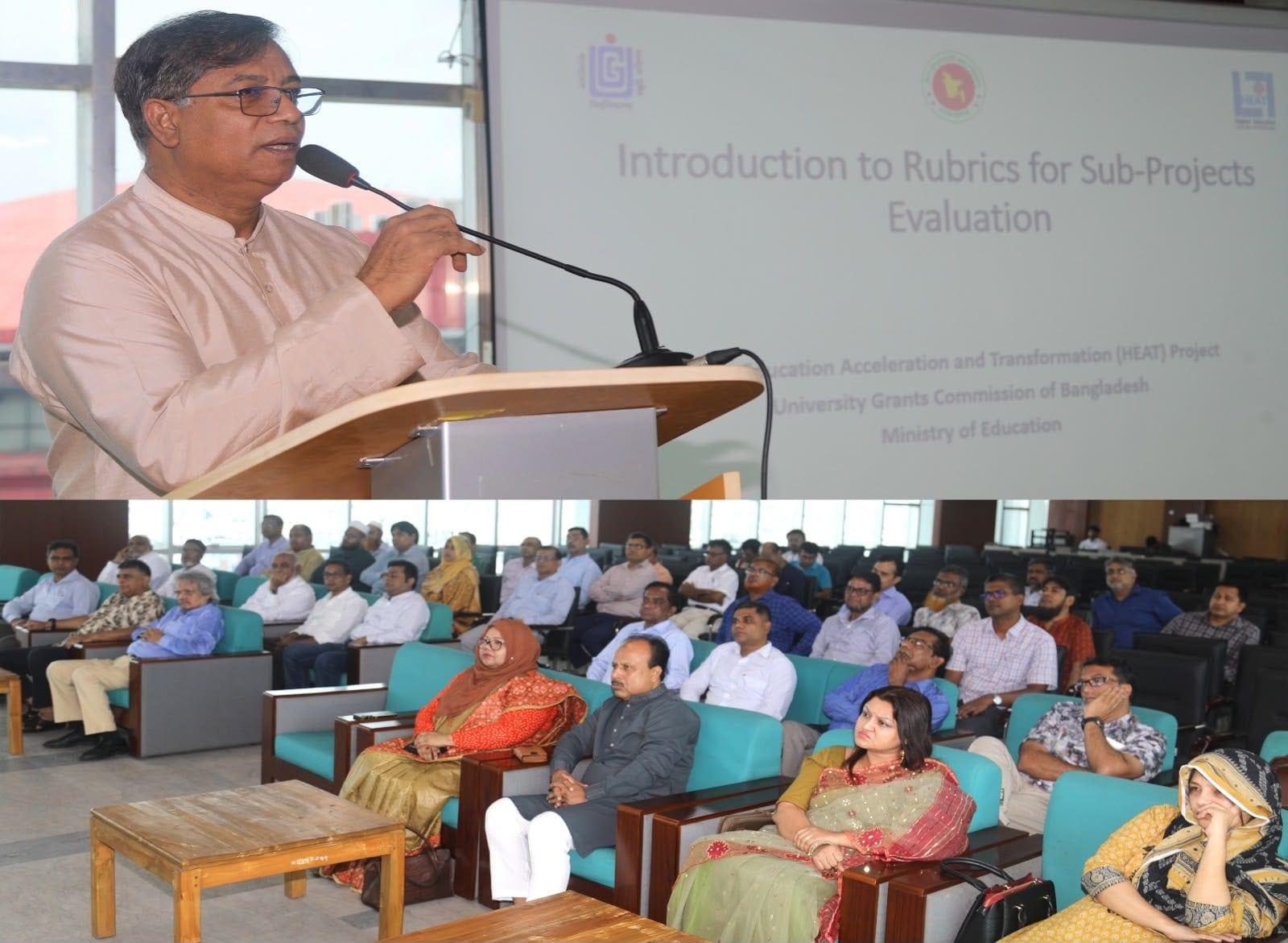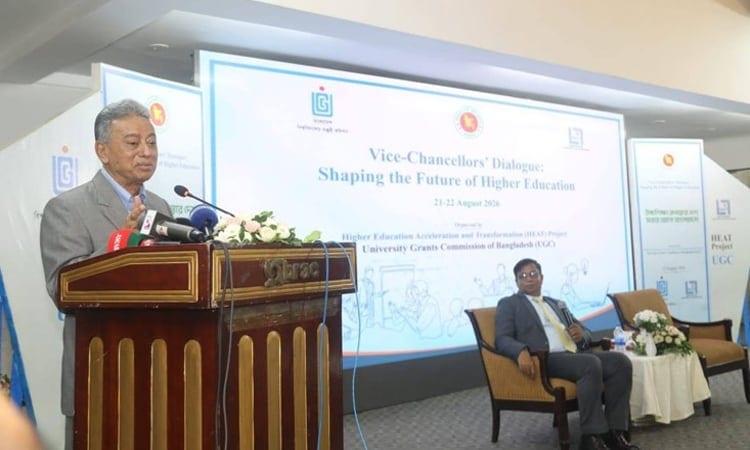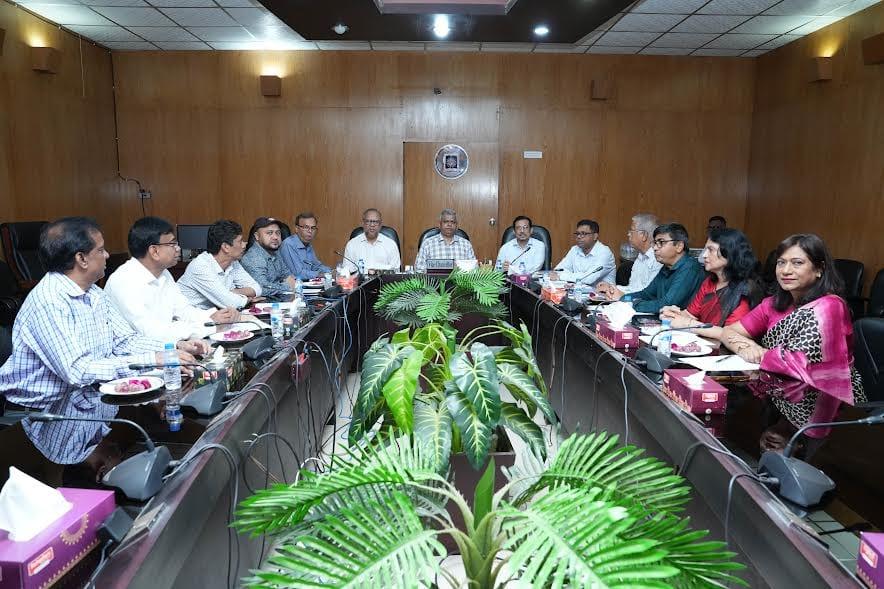
The University Grants Commission (UGC) Chairman Professor Dr Mamun Ahmed has proposed the establishment of a 'Higher Education Academy' to provide institutionalised training for university teachers. This initiative aims to develop academic and institutional leadership as part of a broader national agenda for transforming higher education in Bangladesh. The announcement was made during the presentation of 'Transforming Higher Education in Bangladesh: A National Agenda for Sustainable Excellence (2026-2030)' at the concluding session of the two-day 'Vice-Chancellors' Dialogue: Shaping the Future of Higher Education' held at BRAC CDM in Savar.
Key Features of the Higher Education Academy
The proposed Higher Education Academy will offer training in various domains including education management, academic leadership, university administration, teaching methodologies, and higher education management. The UGC has already begun working on the necessary infrastructure and facilities for the academy. Additionally, the UGC plans to expand PhD and postdoctoral opportunities for university teachers through collaborations with foreign universities, including joint programmes and MoUs to facilitate tuition support and living expenses for Bangladeshi teachers pursuing higher studies abroad.
Broader National Agenda for Higher Education Transformation
Under the national agenda, the UGC will focus on improving research infrastructure and increasing research funding. An online research repository will be established to help identify research gaps and determine priority areas for future funding. A fellowship system will be introduced to facilitate faculty mobility, allowing teachers to spend time teaching at universities outside major urban centres and enabling Bangladeshi academics working abroad to return and teach or conduct research at local universities.
Digital Learning and Employment-Oriented Education
The UGC plans to establish a digital learning and innovation ecosystem across universities, including high-speed internet, smart classrooms, smart libraries, digital student services, digital research infrastructure, and digital administrative systems. This initiative aims to reduce disparities between universities in Dhaka and those outside major cities. The UGC also plans to develop a National Graduate Employment Framework to define the knowledge, skills, and attributes graduates need to enter local and international job markets. Industry-Academia Advisory Boards will be established at universities to align academic programmes with labour-market needs, and curricula will be modernised in consultation with industry experts.
Why this matters for Bangladesh: The establishment of the Higher Education Academy and the broader national agenda for higher education transformation aim to make Bangladesh's higher education system more employment-oriented, research-driven, technology-enabled, internationally connected, and accountable. These initiatives are crucial for enhancing the quality of education, improving research capabilities, and ensuring that graduates are well-prepared to meet the demands of the job market, both locally and globally.