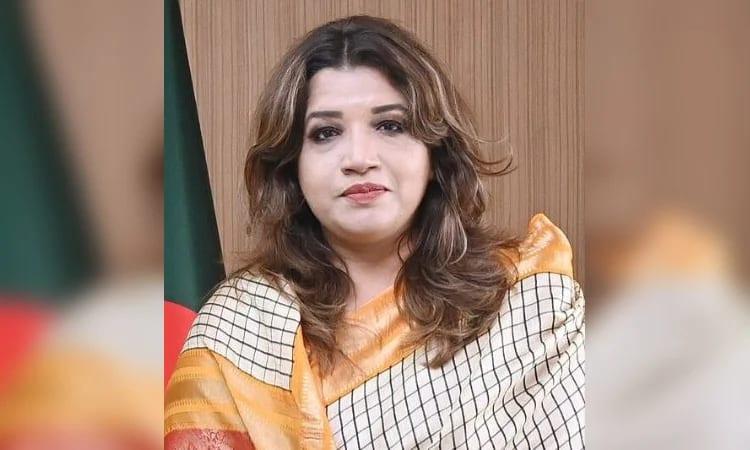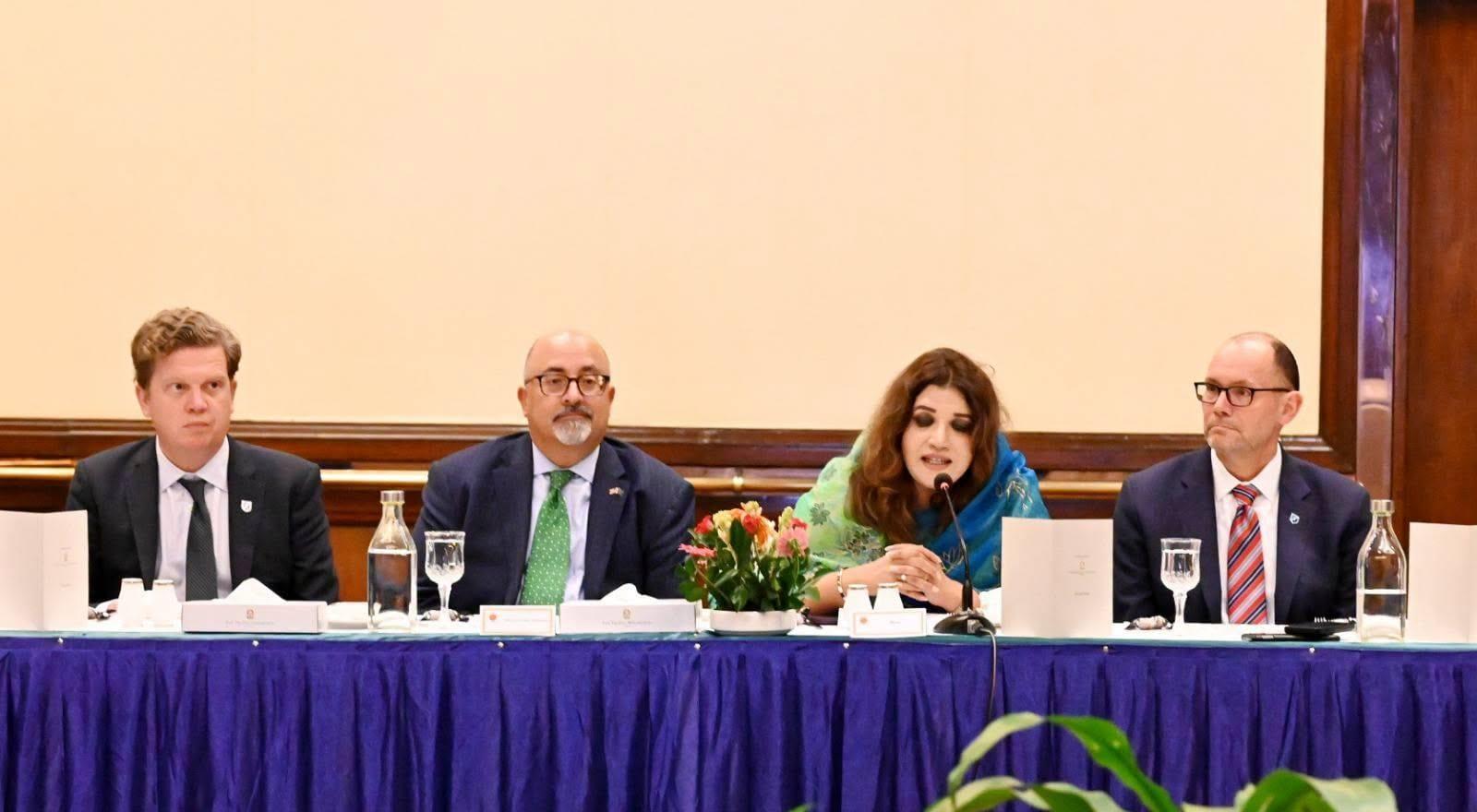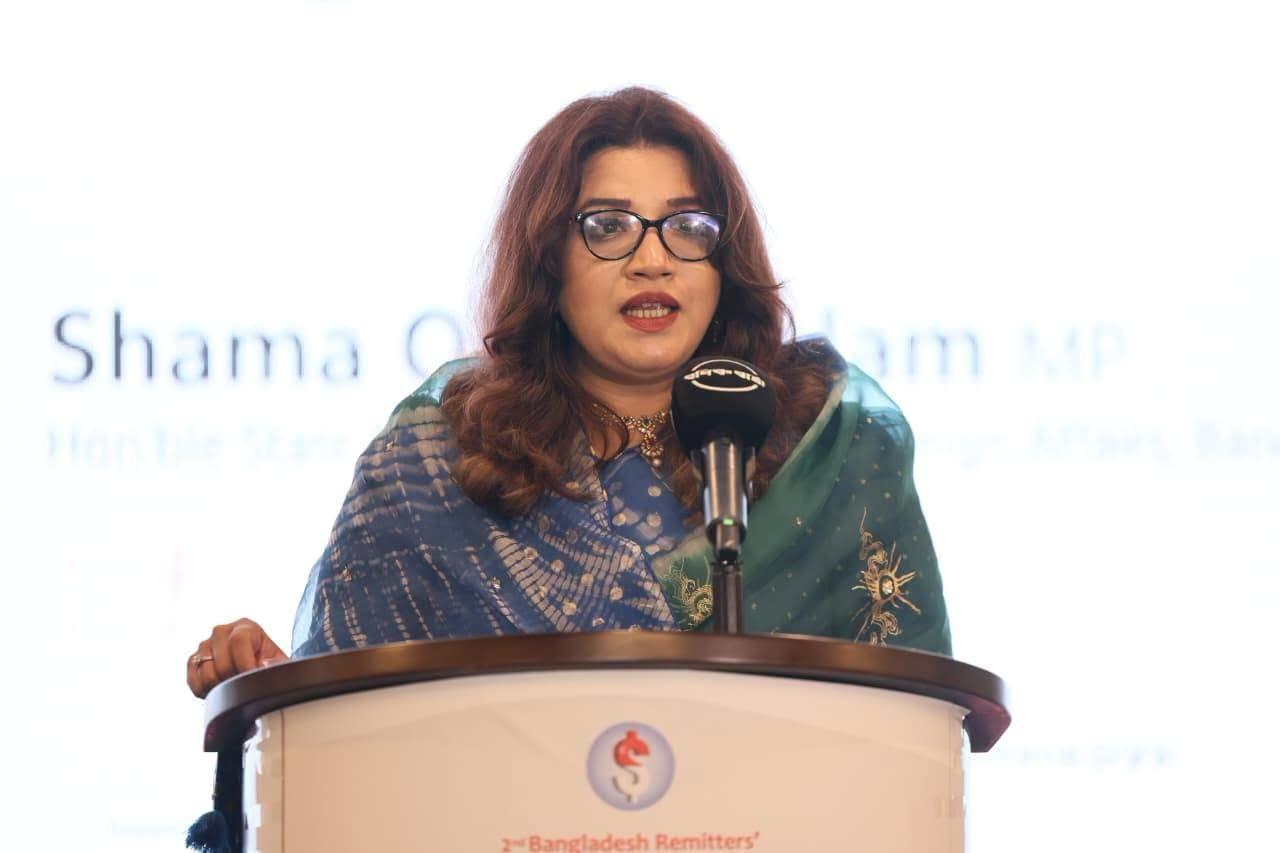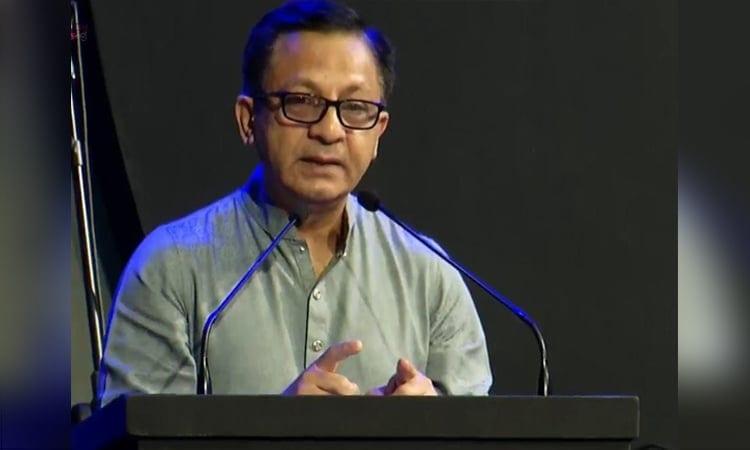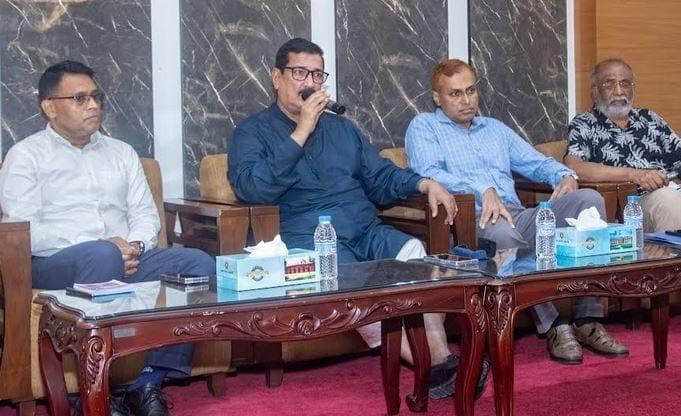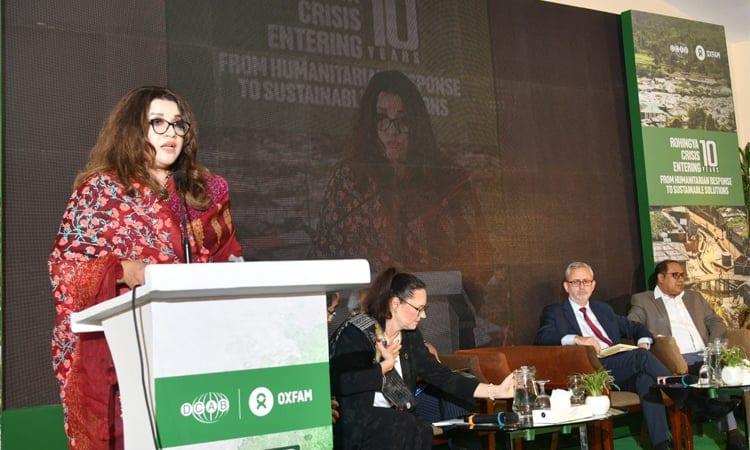
State Minister for Foreign Affairs Shama Obaed Islam has emphasized that resolving the protracted Rohingya crisis is a political and moral responsibility that the international community must collectively bear. She stressed that Bangladesh cannot be left alone to bear the burden. Speaking at a dialogue titled 'Rohingya Crisis Entering 10 Years: From Humanitarian Response to Sustainable Solutions,' organized by the Diplomatic Correspondents Association, Bangladesh (DCAB) and Oxfam in Bangladesh, Shama called for renewed global action.
A Decade of Crisis
As the Rohingya crisis approaches its 10th year, Shama highlighted the significant impact on the forcibly displaced Rohingyas. She noted that for a child growing up in a refugee camp, 10 years represents a lost childhood. For young people, it means lost education, and for families, it signifies a decade without a home. She warned against allowing another decade to pass without finding a sustainable solution.
Bangladesh's Burden and International Responsibility
Since the massive influx in 2017, Bangladesh has been sheltering over 1.2 million forcibly displaced Rohingyas. Shama pointed out that hosting such a large population has put enormous pressure on the country's infrastructure, environment, public services, and host communities. Despite these challenges, Bangladesh continues to provide essential services such as food, shelter, healthcare, education, and protection.
However, she stressed that Bangladesh's humanitarian efforts must not be used as an excuse for international inaction. Shama called on the international community to support Bangladesh through predictable financing, sustained diplomacy, political engagement, and accountability, ultimately leading to a durable solution.
She reiterated that the ultimate objective remains the safe, voluntary, dignified, and sustainable return of the Rohingyas to their homeland in Rakhine State, Myanmar. Shama emphasized that a camp should never become a permanent substitute for a homeland and called for expediting the verification process to facilitate repatriation.
Addressing the media, Shama underscored the critical role of journalism in keeping the Rohingya crisis on the international agenda. She called for a transition from relief to resilience, from solidarity to responsibility sharing, and from humanitarian management to political action, ultimately leading to the dignified return of the Rohingyas.