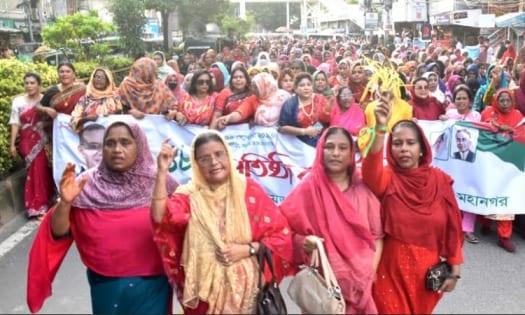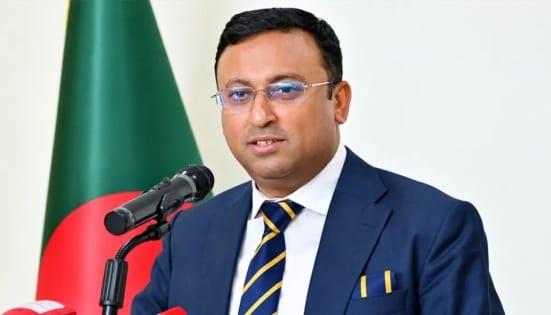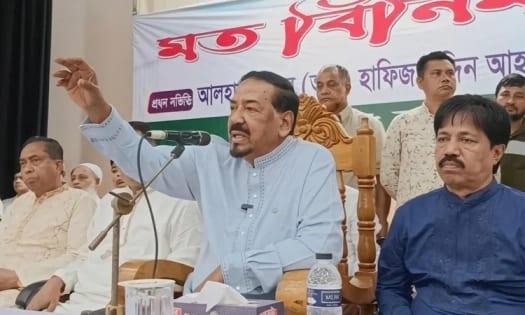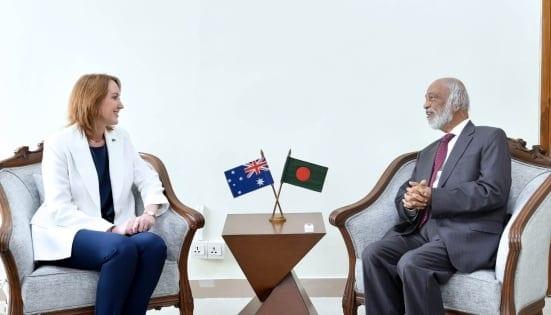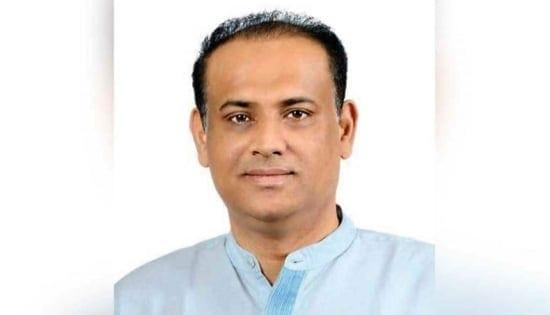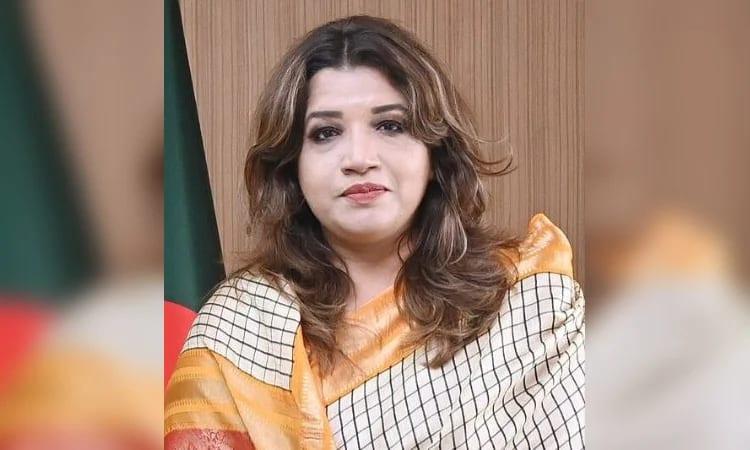
In a public rally held in Faridpur, State Minister for Foreign Affairs Shama Obaed Islam highlighted that the July Uprising was a comprehensive movement against corruption, oppression, and authoritarianism. Speaking at the Shaheed Akramunnesa Girls' High School ground in Nagarkanda upazila, Shama stressed that the victory belonged to all 180 million people of the country, not any single individual or political party.
Beyond the Quota System
Shama clarified that the uprising was not merely about the quota system but also represented a struggle against systemic corruption, oppression, and the lasting effects of enforced disappearances, killings, and 17 years of authoritarian rule. This broader context was underscored as she addressed the public rally organized by the upazila BNP.
A Call for Unity
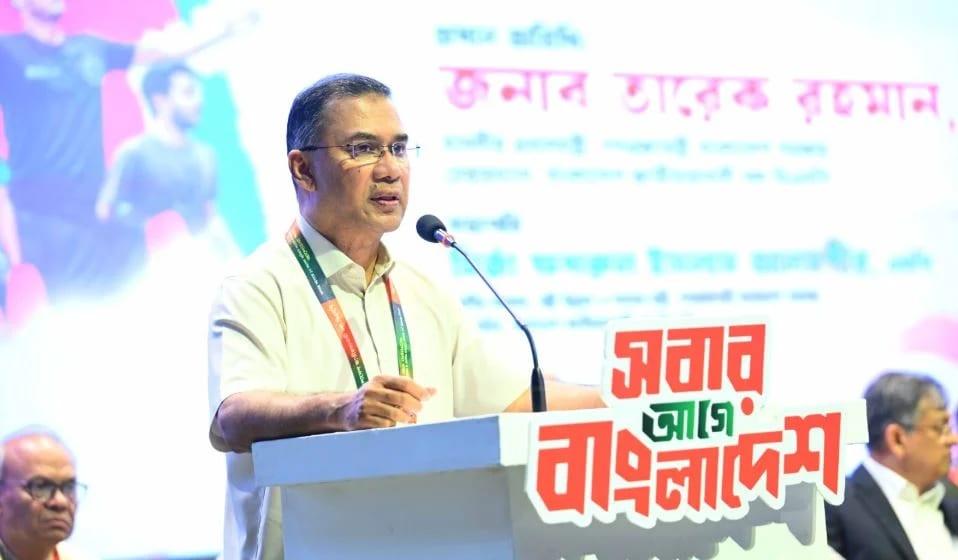
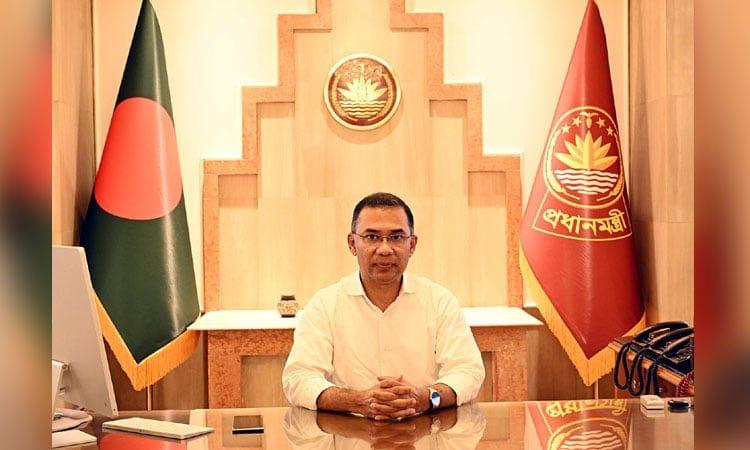
She also mentioned that Prime Minister Tarique Rahman is actively working to unite the people and propel the nation’s development forward. The rally, presided over by Habibur Rahman Babu Talukder, former acting president of the Nagarkanda Upazila BNP, further emphasized the inclusive nature of the movement.
National Significance
Shama Obaed’s remarks were a poignant reminder of the collective effort and sacrifice that characterized the July Uprising, underscoring its importance in the broader context of the nation’s struggle for justice and democracy.
Why This Matters for Bangladesh
The July Uprising’s focus on systemic issues such as corruption and oppression highlights the need for comprehensive reforms to ensure a fair and just society. This broader perspective can guide future policy and governance, fostering a more inclusive and equitable nation.