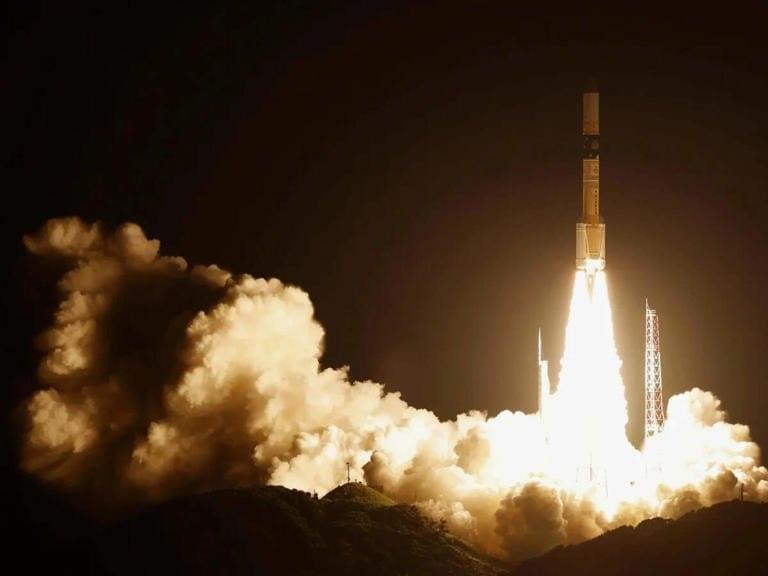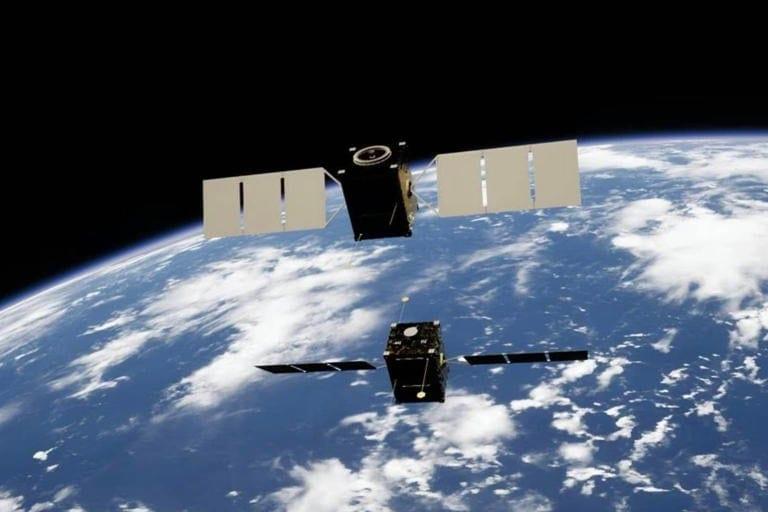
China's manned space agency has announced the delay of its Chang'e-7 lunar probe mission, citing 'launch conditions' as the reason. This mission, aimed at searching for water on the moon's south pole, was part of China's broader objective to land astronauts on the moon by 2030. The decision follows a rare launch failure of a Long March 7A rocket carrying a communications satellite, which exploded shortly after liftoff from the Wenchang Space Launch Center in Hainan province.
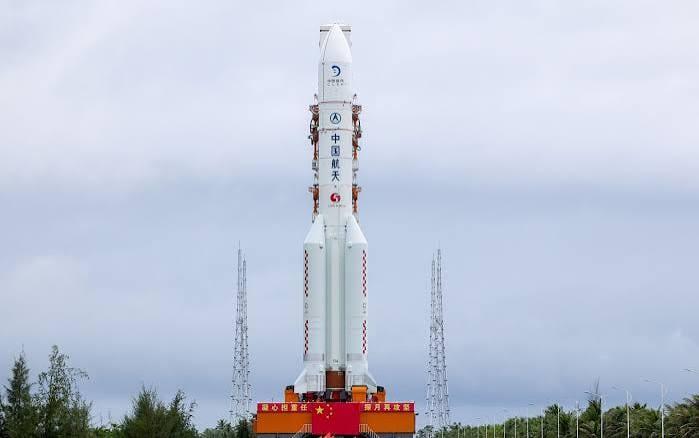
The agency stated that after a 'comprehensive assessment', the Chang'e-7 mission, involving a Long March 5 carrier rocket, 'does not meet launch conditions and cannot take place during the planned window this year'. The delay is based on the principles of prudence, reliability, and absolute mission success, though specific details about the conditions not met or the rescheduled launch date were not provided.
China has been heavily investing in its space program, with President Xi Jinping calling it the country's'space dream'. The recent failure of the Long March 7A rocket carrying the Zhongxing-4B communications satellite is under investigation. Despite this setback, China successfully landed a reusable rocket in July, a significant step towards reducing launch costs and advancing its space ambitions.
FAQs
1. **What is the Chang'e-7 mission?** The Chang'e-7 mission is an unmanned lunar probe designed to search for water on the moon's south pole. It is part of China's broader space program aimed at landing astronauts on the moon by 2030.
2. **Why was the mission delayed?** The mission was delayed due to unspecified 'launch conditions' that were not met during a comprehensive assessment by China's space agency.
3. **What recent event led to the delay?** The delay follows a recent failure of a Long March 7A rocket, which exploded shortly after liftoff from the Wenchang Space Launch Center.
4. **What are China's long-term space goals?** China aims to land astronauts on the moon before 2030, competing with the United States' Artemis program. The country has been investing billions in its space program to achieve what President Xi Jinping calls the'space dream'.