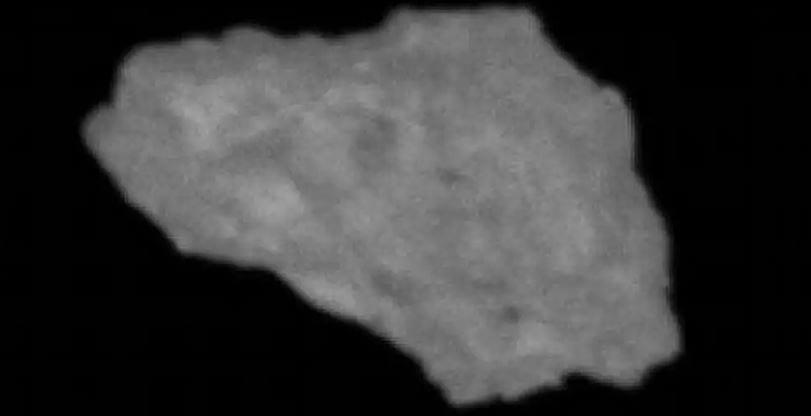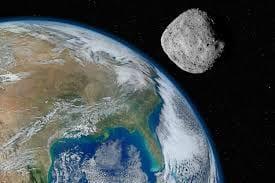
A large asteroid, (152637) 1997 NC1, will be visible to stargazers with small telescopes or large binoculars as it safely zooms past Earth on Saturday. The European Space Agency (ESA) announced that the asteroid will come within 2,560,000 kilometres of Earth at 1114 GMT, more than six times the distance between Earth and the Moon.
Asteroid Details and Visibility
The asteroid, discovered in 1997, is estimated to be between 750 and 1,650 metres wide, though other estimates suggest it could be smaller. It will be speeding along at nearly nine kilometres per second, posing no threat to Earth as any chance of impact has been ruled out.
Juan Luis Cano of the ESA's Planetary Defence Office noted that a close approach by an object of this size occurs only every few years. However, the bright nearby Moon might impede its observability at closest approach.
Observing the Asteroid
For stargazers, the asteroid will be visible in parts of the Northern Hemisphere as it approaches, almost everywhere as it speeds past Earth, and only from the Southern Hemisphere as it departs. Visibility will depend on whether people are in areas with sufficiently dark skies as it passes.
Background on Asteroid Observations
Asteroids are rocky bodies that orbit the Sun, primarily found in the asteroid belt between Mars and Jupiter. Observing them helps scientists understand the early solar system and assess potential impact risks. Regular monitoring by agencies like ESA ensures timely information about close approaches.