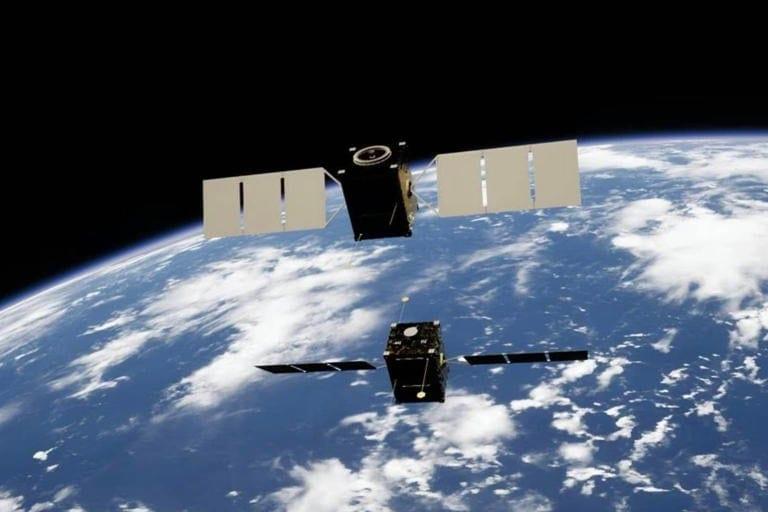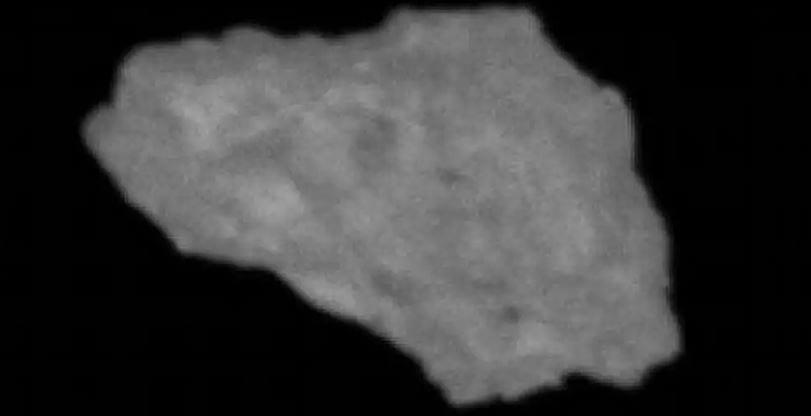
China's Tianwen-2 space probe has reached its target asteroid, 2016 HO3, after travelling one billion kilometres over more than a year. The Chinese space agency, CNSA, announced the achievement on Monday. This mission, launched in May 2025, is China's first to collect samples from an asteroid. The probe is now 20 kilometres from the asteroid and has begun scientific exploration.
Mission Overview
The Tianwen-2 mission is part of China's ambitious space program, which has seen significant investment in recent years. President Xi Jinping has emphasized the importance of achieving the country's'space dream.' The probe's journey took approximately 400 days and covered a distance of one billion kilometres.
Scientific Exploration
Upon reaching the asteroid, Tianwen-2 will conduct detailed scientific exploration to gather data on the asteroid's morphology, material composition, and internal structure. This data will be crucial for the subsequent sample collection operations.
Sample Collection and Return
Once samples are collected, Tianwen-2 will release a module to transport them back to Earth. This return journey will be another critical phase of the mission, ensuring that the samples are safely delivered for further research.
Global Context
Japan and the United States have previously conducted missions to collect samples from asteroids. Tianwen-2 represents an important step for China in deep-space exploration, positioning the country alongside global leaders in this field.
Significance for Bangladesh
This mission underscores the growing capabilities of China's space program, which has implications for global space exploration efforts. For Bangladesh, it highlights the importance of investing in scientific research and technological advancements to stay competitive in the global arena.