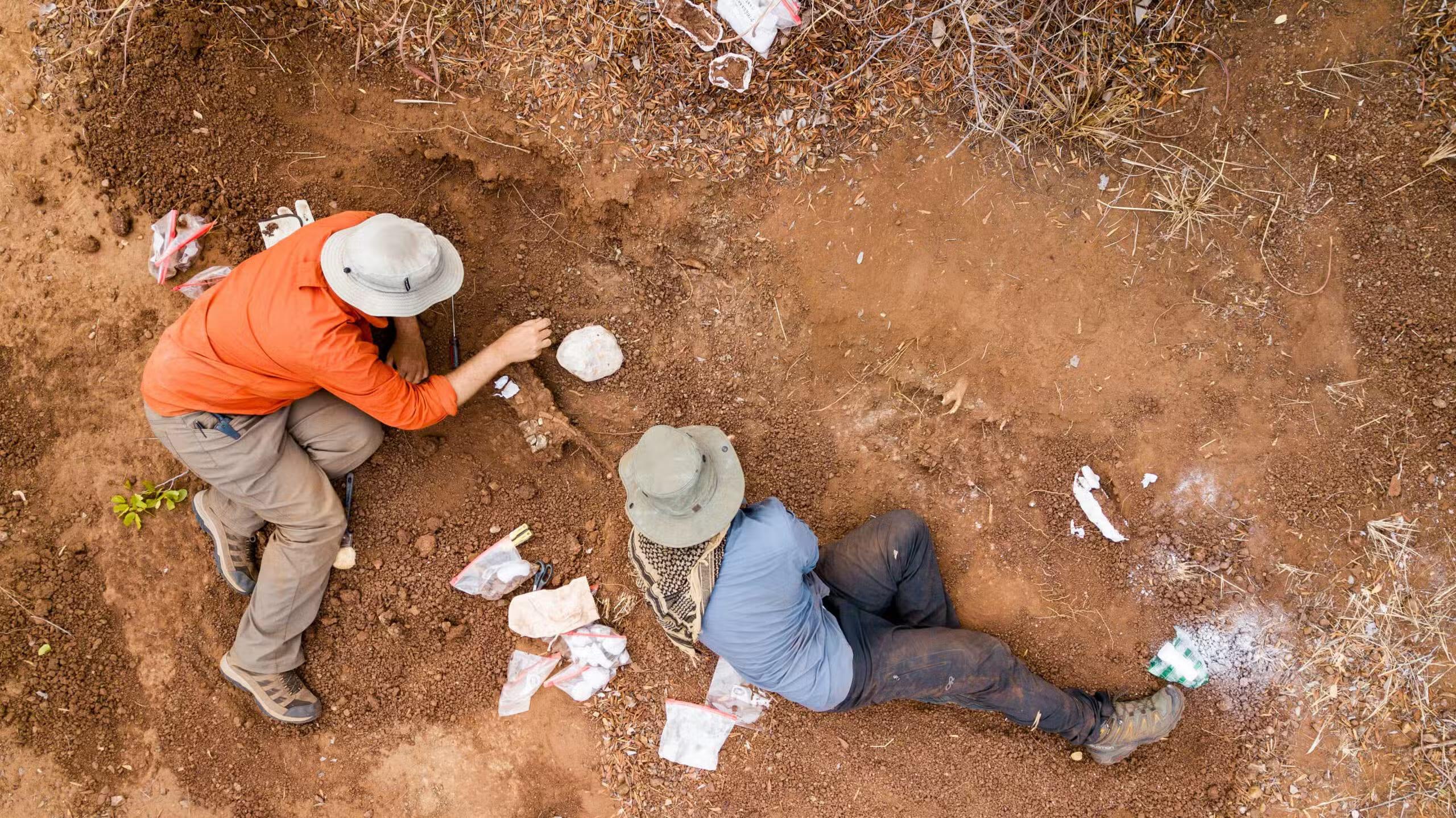
Scientists have unearthed a 210-million-year-old dinosaur in Zimbabwe, shedding light on the early diversification of these ancient creatures. Named Musango matusadonaensis, the dinosaur was found on the shores of Lake Kariba in 2018. This discovery suggests that southern Africa was home to distinct ecosystems, each with unique dinosaur species.
What is the significance of this discovery?
The discovery of Musango matusadonaensis indicates that southern Africa had diverse ecosystems during the Late Triassic period. This challenges the previous assumption that dinosaurs across the region were largely the same.
What are the characteristics of Musango matusadonaensis?
Musango matusadonaensis was relatively lightly built, measuring about 4.5 meters long and weighing approximately 222 kilograms. Unlike later giant dinosaurs, Musango was more akin to a fully grown pig in size.
How old was Musango matusadonaensis when it died?
Researchers estimate that Musango was about eight years old and nearly fully grown when it died. The fossil shows signs of recovery from a serious injury or infection.
What did Musango matusadonaensis likely eat?
Although the skull has not been found, researchers believe Musango was probably a herbivore or an omnivore, feeding on plants along rivers and streams.