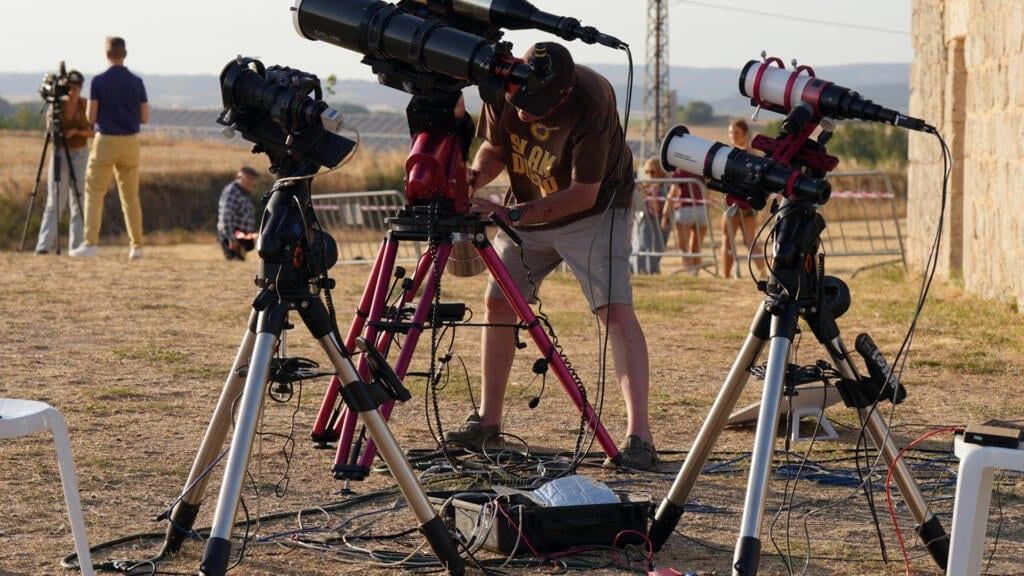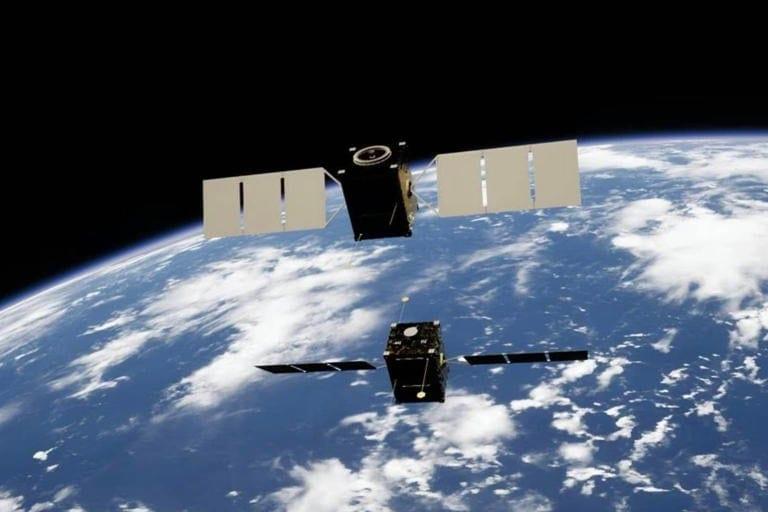
Chilbolton Observatory in southern England is closely monitoring the growing number of objects in Earth's orbit, including defunct satellites, rocket bodies, and debris fragments. These objects pose a significant threat to operational satellites and the potential for catastrophic collisions. The European Space Agency reports over 46,000 pieces of debris, weighing a total of 17,000 tonnes, currently in orbit.
Increasing Orbital Congestion
Matthew Archer, deputy director for launch and space domain awareness at the UK Space Agency, emphasizes the need for constant vigilance. "Most of those don't collide with anything, most of the time. But any of them can cause significant damage or even destroy potential satellites." The recent impact of a SpaceX rocket part on the Moon underscores the urgency of this issue.
National Space Operations Centre
Chilbolton Observatory provides critical data to the National Space Operations Centre (NSpOC), which operates around the clock to prevent orbital collisions and track debris re-entering Earth's atmosphere. The UK has pledged £85 million ($114 million) to the NSpOC, which issues around 3,000 monthly collision warnings to satellite operators.
Planetary Defence and International Collaboration
In addition to tracking space junk, Chilbolton Observatory is involved in planetary defence, monitoring threats like comets and asteroids. The UK Space Agency is a member of the International Asteroid Warning Network (IAWN), working with NASA and other agencies to assess the risk of asteroid impacts. The UK also supports the European Space Agency's mission to study the asteroid Apophis in 2029.
Why This Matters for Bangladesh
As space infrastructure becomes increasingly vital to global economies, including Bangladesh's, the threat of space junk affects everyone. Ensuring the safety of satellites is crucial for telecommunications, navigation, and other services that rely on space-based technology. Bangladesh, with its growing reliance on satellite communications, must stay informed about these developments to protect its interests in space.