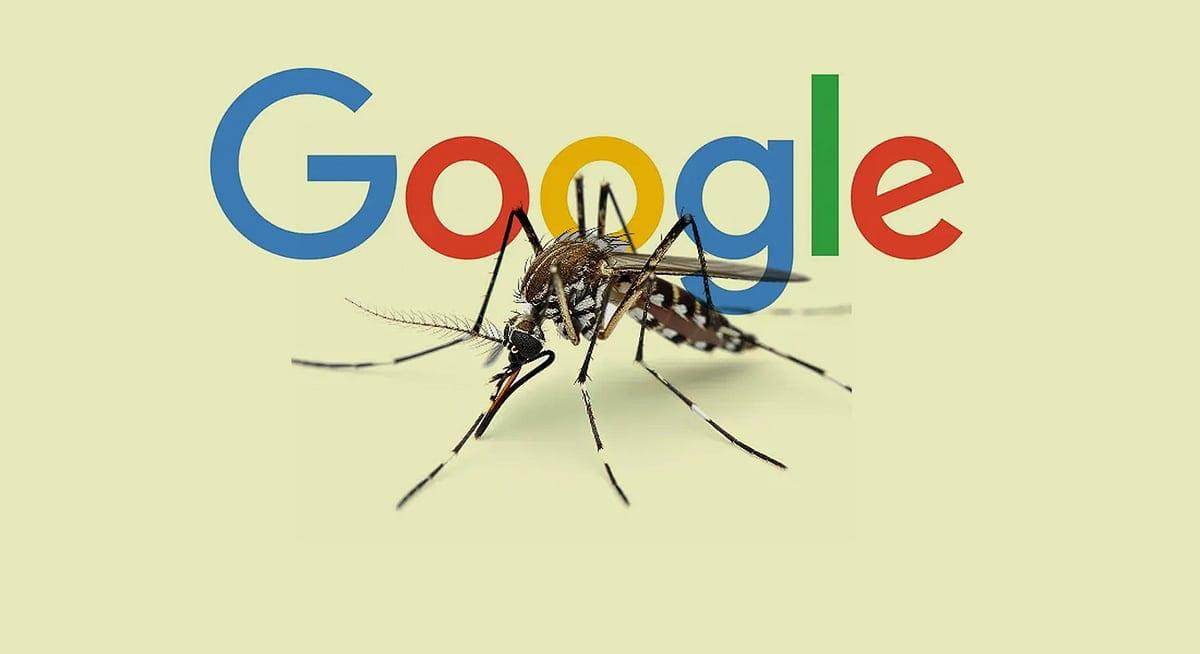
Google, through its Verily division, is planning to release approximately 64 million male mosquitoes in California and Florida to combat disease-carrying mosquitoes. This initiative, named 'Debug,' aims to reduce the population of Aedes aegypti mosquitoes, which spread dengue, Zika, and chikungunya. The male mosquitoes will be sterilized using the Sterile Insect Technique (SIT) and released to mate with wild females, resulting in non-viable eggs.
How It Works
The male mosquitoes will be bred in laboratories and infected with a natural bacterium called Wolbachia, which renders them incapable of producing viable offspring. When these males mate with wild females, the eggs will not hatch, thereby reducing the mosquito population over generations. Male mosquitoes do not bite humans, so their release poses no risk to people.
Technological Edge
Google is leveraging advanced technologies such as artificial intelligence, computer vision, automated sensors, and robotics to efficiently breed, sort, and release the male mosquitoes. This ensures precision and scalability, addressing one of the major challenges of such a large-scale operation.
Previous Success
The technique has already shown significant success in Singapore, where the release of over 100 million male mosquitoes reduced the Aedes aegypti population by 80-90% and dengue cases by over 70% within 6 to 12 months.