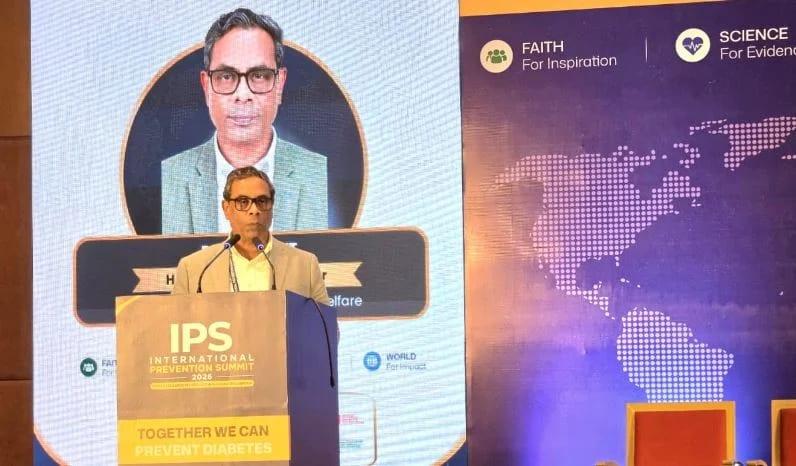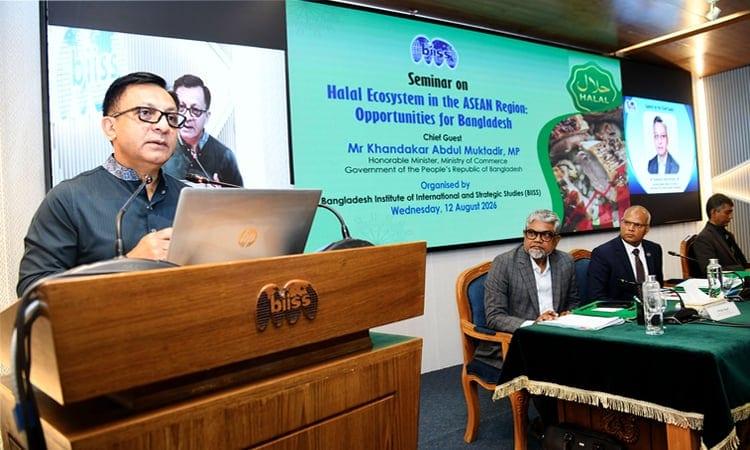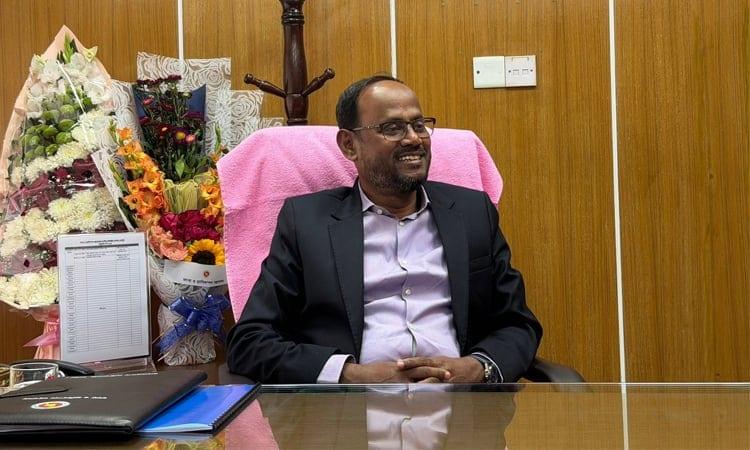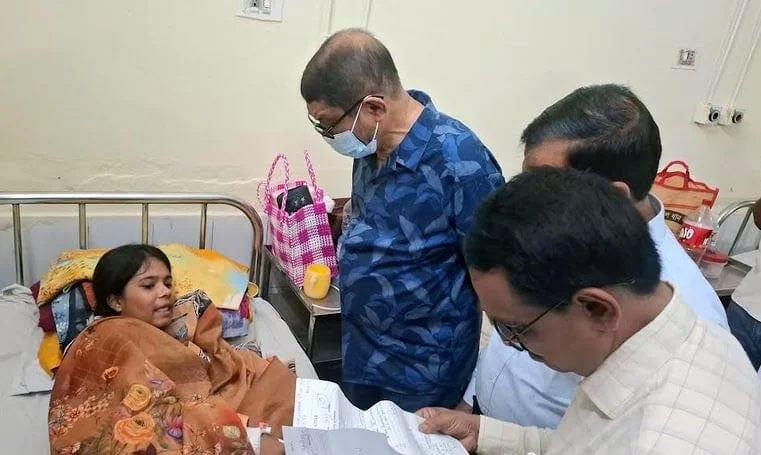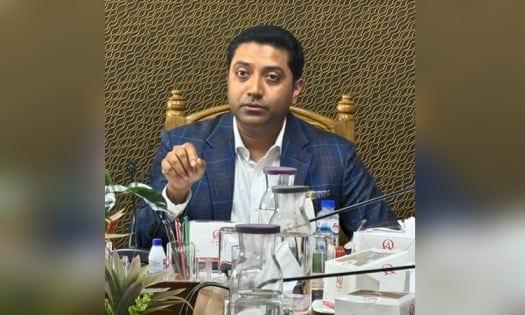
State Minister for Health and Family Welfare Dr. M A Muhit today said establishing internationally certified or accredited diagnostic laboratories in the country would reduce the suffering of patients seeking treatment abroad and help save a substantial amount of foreign exchange. He made the remarks as the chief guest at a policy seminar organised by the Bangladesh Accreditation Board (BAB) at the Bangladesh Institute of Management.
Current Situation and Challenges
Dr Muhit noted that a large number of people travel abroad every year for medical treatment. However, due to insufficient confidence in the test results produced by domestic laboratories, physicians abroad often require patients to undergo the same tests again after they arrive. This results in significant additional costs and lost time during treatment.
Benefits of Accreditation
He said if the country could increase the number of internationally accredited laboratories, patients would be able to complete the primary diagnostic tests at home, substantially reducing their treatment expenses. Although Bangladesh currently has more than 10,000 laboratories, only a handful have received international accreditation.
Dr Muhit highlighted that laboratory owners and management boards should first be made aware of the importance of accreditation instead of imposing coercive measures or strict legal requirements immediately. "If diagnostic centre owners realise that maintaining quality standards will enhance public confidence and make their businesses more profitable, they will become interested in obtaining accreditation on their own," he said.
Referring to the multifaceted challenges facing the country's healthcare system, Dr Muhit said the government has been conducting regular monitoring of hospitals and clinics to ensure quality standards since assuming office. Restoring public confidence remains the government's primary objective, he said, adding that the healthcare sector cannot progress by relying solely on hospitals or physicians.
He said it would not be possible to reduce life-threatening diseases such as cancer, kidney disease and liver disease without greater attention to preventing food adulteration, ensuring accurate diagnosis and strengthening preventive healthcare services. Industries Secretary Abdun Naser Khan, Director General of the Directorate General of Health Services Prabhat Chandra Biswas, and representatives of the Bangladesh Accreditation Board and the health sector, among others, also spoke at the programme.