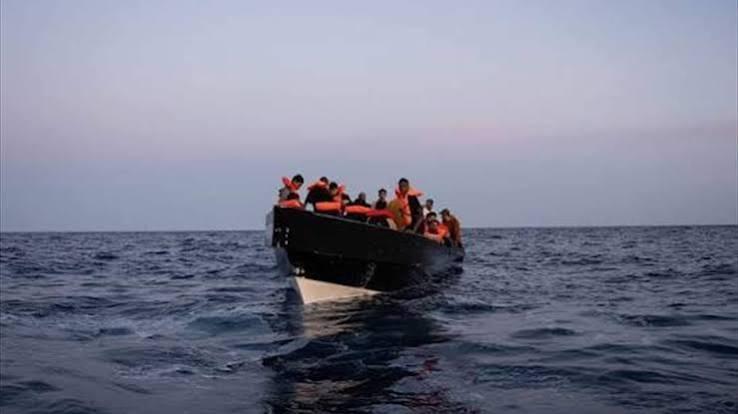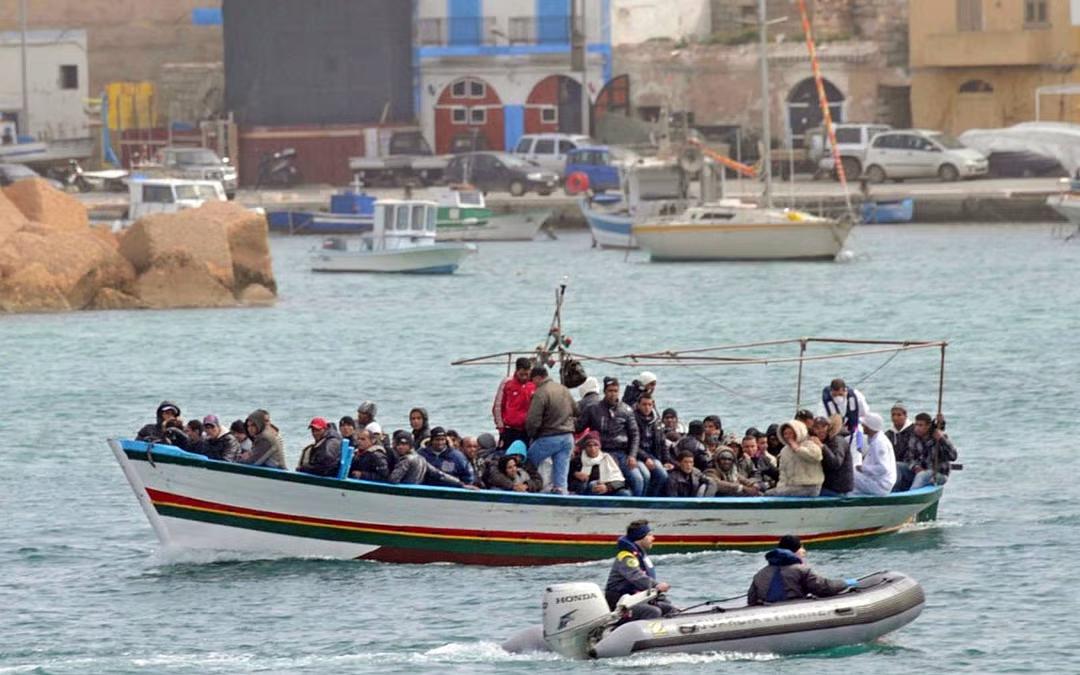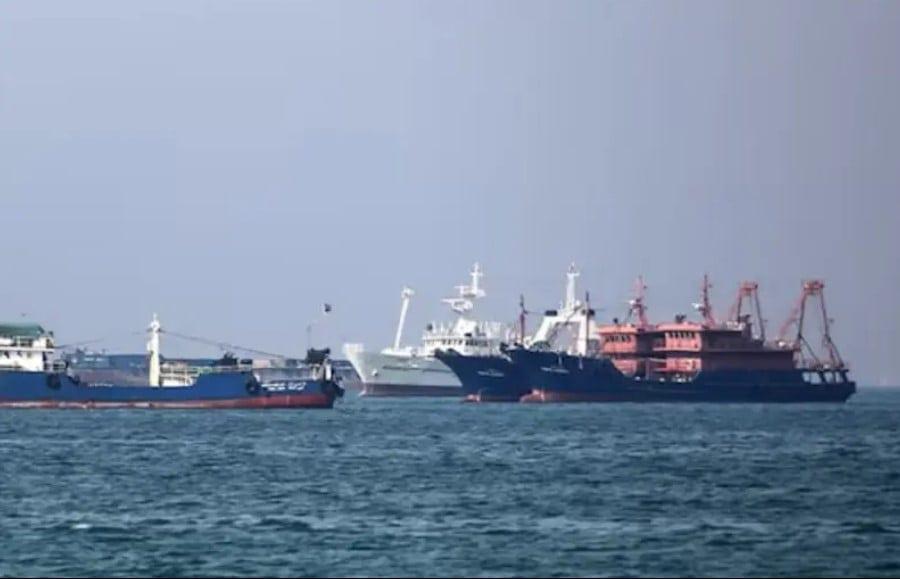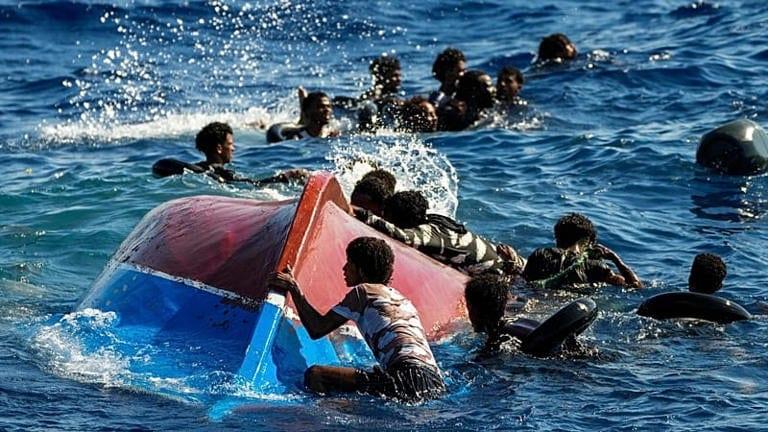
Rescue ships aiding migrants crossing the Mediterranean are facing growing threats and harassment from Libyan groups, according to a leading aid organization. SOS Mediterranee, which operates in a network of ships and planes monitoring these waters, has noted a significant increase in hostile actions. The central Mediterranean has become increasingly dangerous, a situation the group attributes to expanded European cooperation with Libyan actors in migration deterrence.
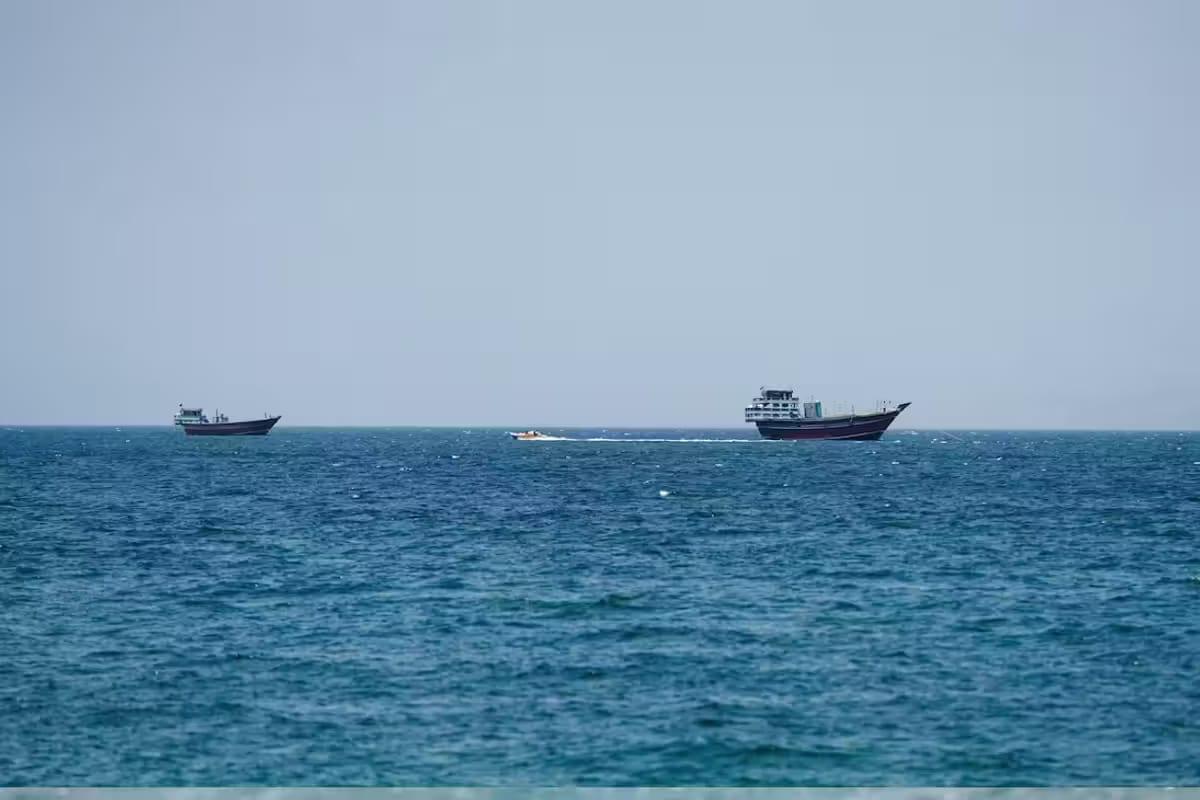
SOS Mediterranee reports that on at least seven occasions in June and July, boats associated with Libyan actors approached rescue vessels at high speed or trailed them for hours, often into international waters. These incidents, termed 'chases,' have escalated the danger for both rescue crews and migrants. Additionally, the group has observed a surge in the presence of unidentified speedboats linked to various armed groups in Libya.
These unidentified vessels have been involved in violent interceptions, including deliberately ramming boats carrying people in distress and performing dangerous maneuvers. Such actions put lives at risk and complicate rescue operations. Last year, SOS Mediterranee accused the Libyan coast guard of attacking its Ocean Viking rescue ship in international waters, firing more than 100 shots and endangering the crew and 87 rescued migrants.
Legal proceedings have been initiated in Italy, France, and Germany regarding the Ocean Viking incident, yet European and national authorities have remained silent, and those responsible for the attack have not been identified. SOS Mediterranee is calling for a full and independent investigation into these incidents to ensure accountability and safety for rescue operations.
The United Nations' International Organization for Migration (IOM) has reported a rise in deaths in the central Mediterranean, with 821 people dying or going missing in the first four months of the year, marking a 111 percent increase compared to the same period in 2025. Despite this, the number of migrants attempting the crossing has fallen by 46 percent to 8,577, attributed to stricter European policies. The hazardous conditions and increased threats underscore the urgent need for safer migration pathways and effective rescue operations.