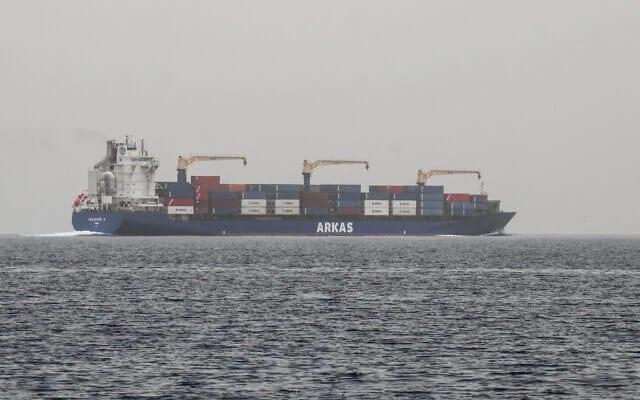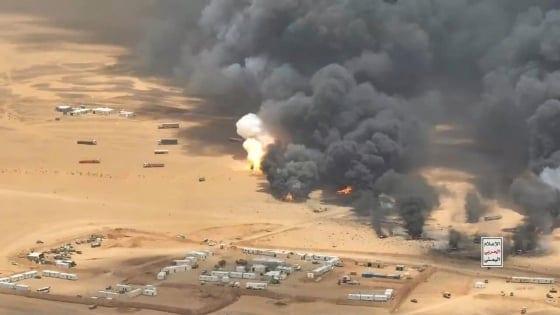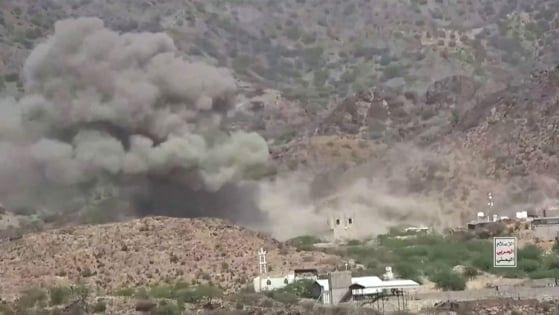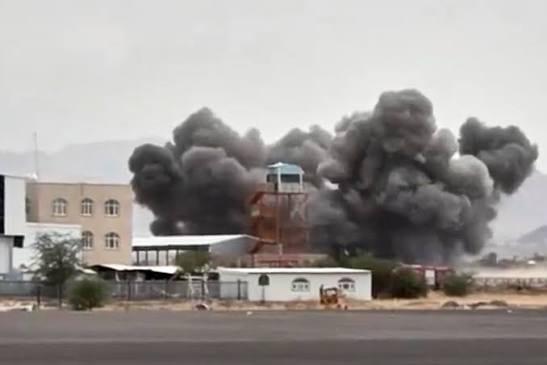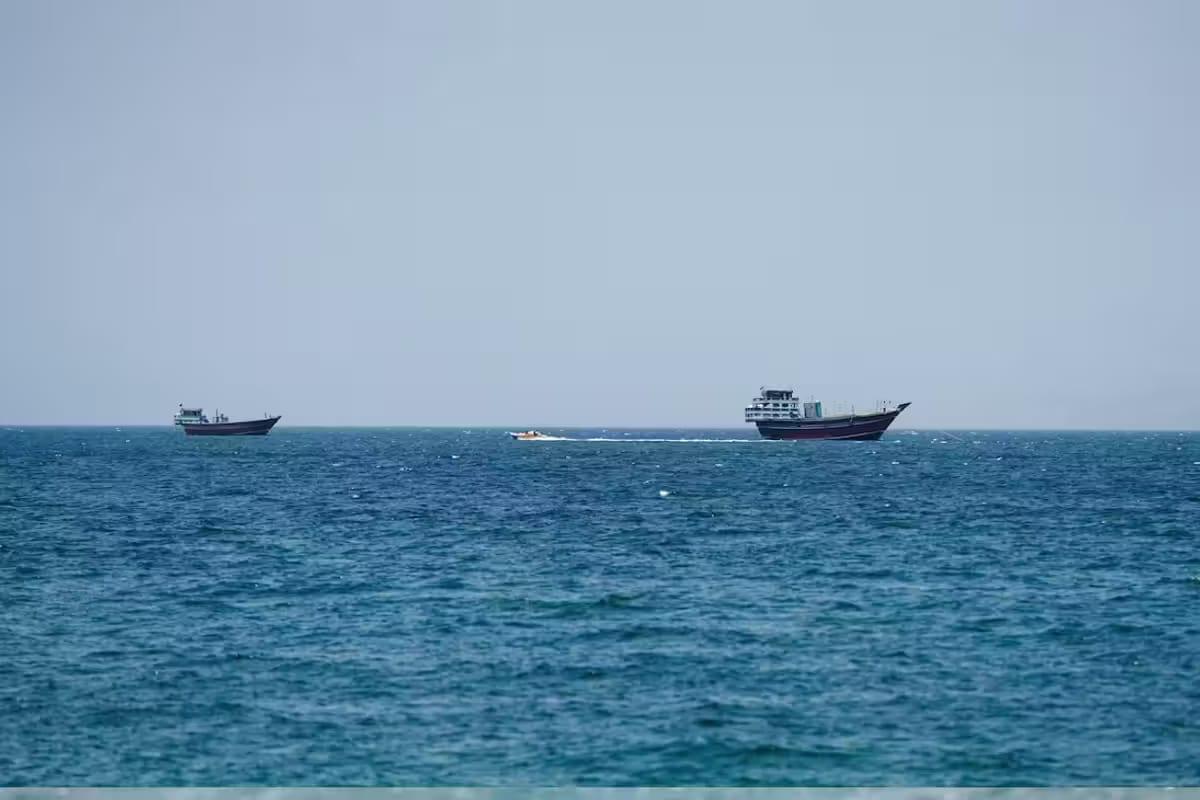
Yemen's Houthi rebels have escalated their attacks on Saudi oil shipments, targeting two more tankers in the Red Sea. The Iran-backed group claimed responsibility for the attacks on Wednesday, marking the eighth and ninth tankers hit since the blockade began last month.
Significance of the Attacks
The latest strikes underscore the growing threat to global oil supply chains, as the Houthis continue their blockade in response to Saudi Arabia's diversion of oil tankers to the northern Red Sea. The rebels have stated their intention to close all access points, making it increasingly difficult for Saudi Arabia to transport its crude oil to international markets.
With Iran's closure of the Strait of Hormuz, the Bab al-Mandeb Strait has become a critical route for Saudi oil exports. Data from maritime tracker Kpler shows a significant increase in crude exports through this strait, highlighting its importance in the current geopolitical landscape.
Context and Background
The blockade by the Houthis, who are supported by Iran, aims to disrupt Saudi Arabia's oil shipments, which are vital for the kingdom's economy and global oil supply. The attacks on oil tankers in the Red Sea and the Gulf of Aden have raised concerns about the stability of maritime routes in the region.
Saudi authorities have yet to comment on the latest attacks, but the situation underscores the escalating tensions between the Houthis and Saudi Arabia. The conflict has significant implications for global oil prices and the stability of oil markets.
As the Houthis intensify their attacks, the international community watches closely, aware that any further disruption to oil supplies could have far-reaching consequences.