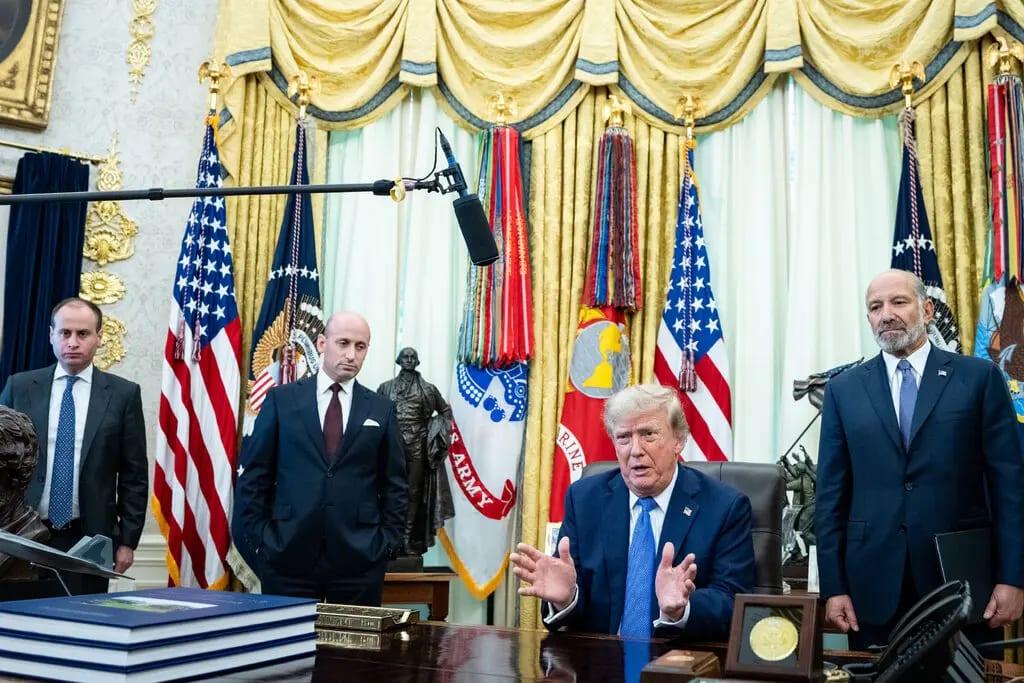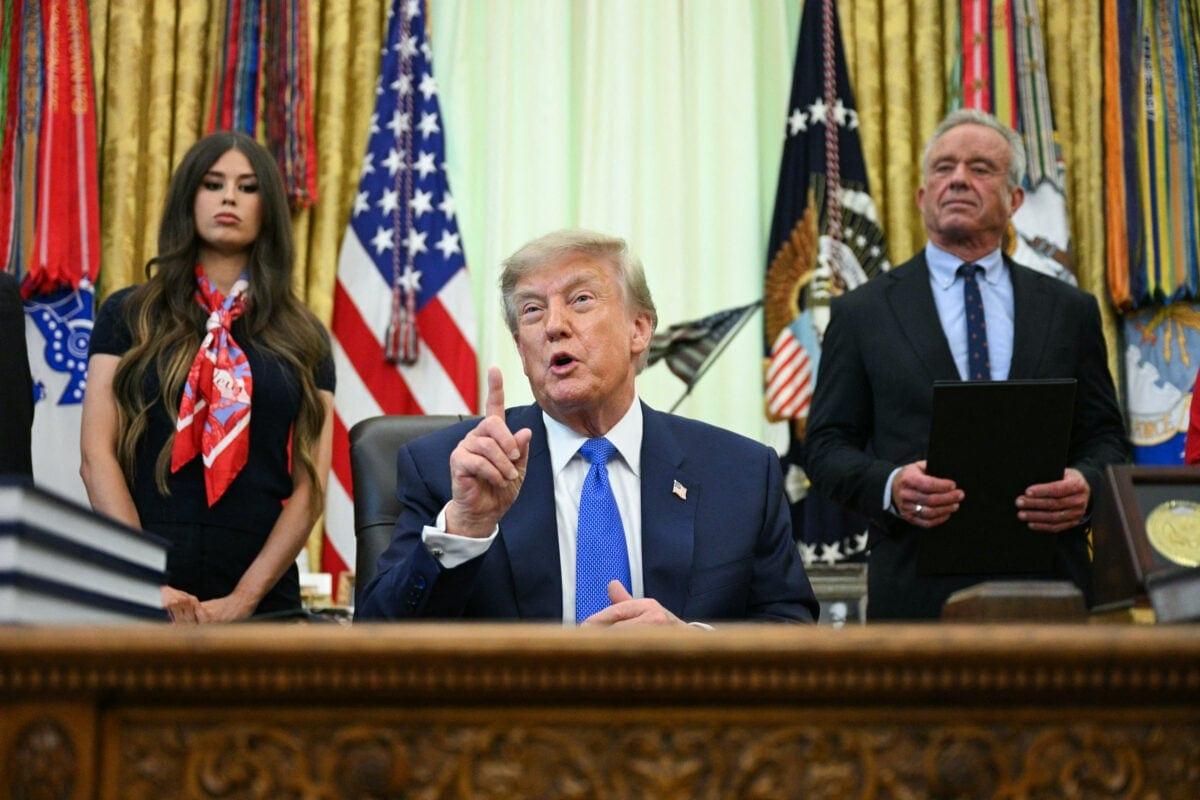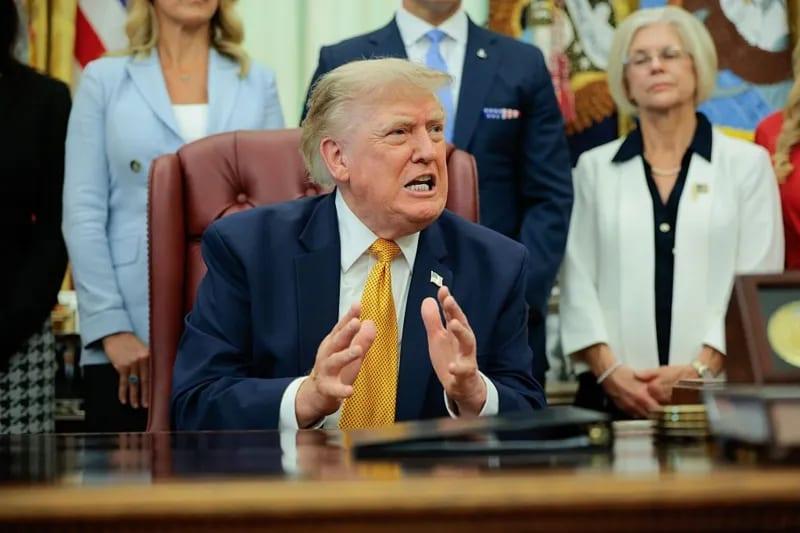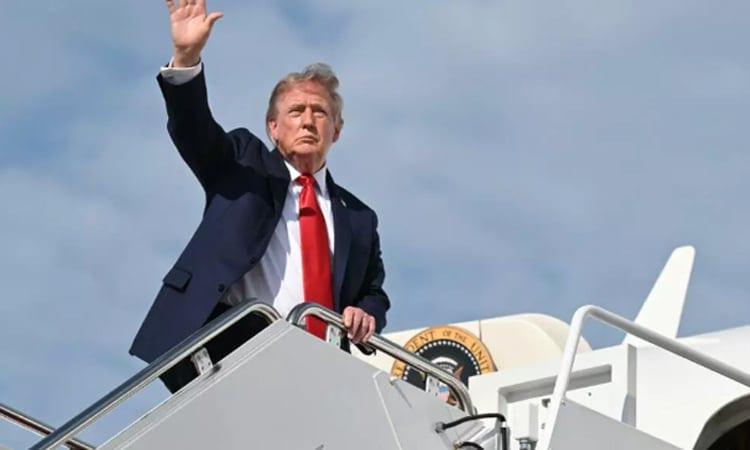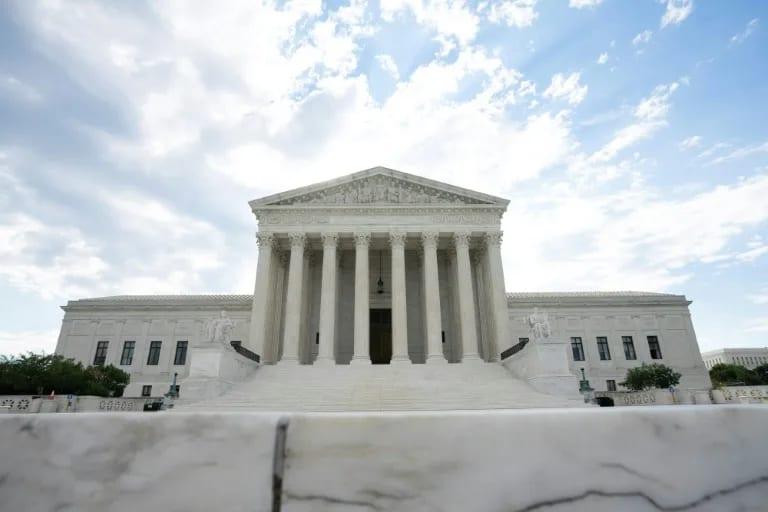
The US Supreme Court granted President Donald Trump a temporary victory on Monday, allowing parts of his executive order to curb mail-in voting to proceed for now. The order, signed in March, seeks to restrict mail-in voting ahead of the November midterm elections. It was immediately challenged in court by Democratic-led states, who argued that states, not the federal government, have broad control over election administration under the US Constitution. A district court in Massachusetts had blocked the executive order, but the Supreme Court's decision on Monday lifted that block.
Background of the Executive Order
President Trump's executive order, issued in March, aims to require the compilation of lists of eligible voters and mandates that the US Postal Service deliver ballots only to those on the lists. Trump has long criticized mail-in voting, claiming without evidence that it is highly vulnerable to fraud. This order comes as Trump faces the possibility of losing control of Congress in the upcoming midterm elections, particularly in the House of Representatives.
Legal and Political Reactions
The Supreme Court's decision was met with immediate backlash from Democratic leaders. Senate Minority Leader Chuck Schumer called the decision a 'disgrace,' accusing Trump of wanting to make it harder for Americans to vote. California Governor Gavin Newsom, a potential Democratic presidential candidate, announced that his state would file another lawsuit over the matter. The three liberal justices on the Supreme Court dissented from the majority opinion.
Implications and Next Steps
The Supreme Court's ruling does not represent a final judgment on the merits of the case. Further litigation is expected, and the court withheld final judgment pending additional legal proceedings. The decision allows parts of Trump's directive to go ahead temporarily, but the ultimate legality of the measures remains to be determined. If Democrats gain control of Congress in the midterm elections, they have signaled they will block Trump's agenda and could move to impeach him for the third time.
Why This Matters for Bangladesh
While the US electoral process may seem distant, its outcomes can have significant geopolitical implications. Changes in US leadership and policy can affect international relations, trade agreements, and global alliances. For Bangladesh, a country with strong diplomatic and economic ties with the United States, the stability and direction of US politics are crucial. The outcome of the midterm elections and the controversies surrounding mail-in voting could influence US foreign policy, potentially impacting Bangladesh's interests in areas such as trade, aid, and security cooperation.