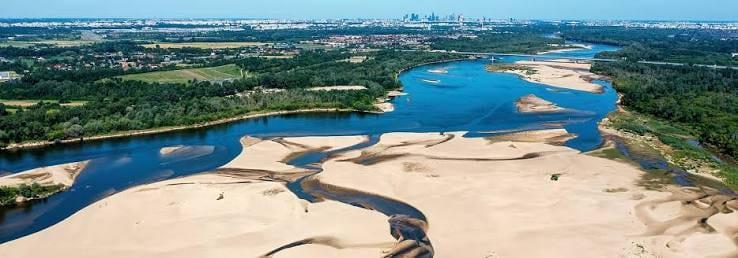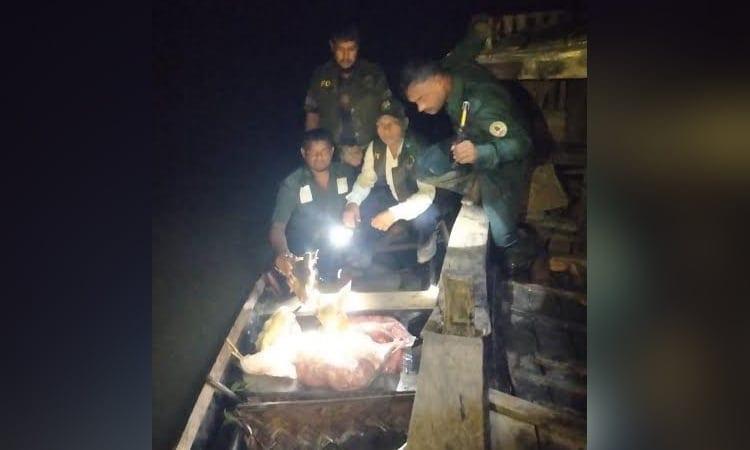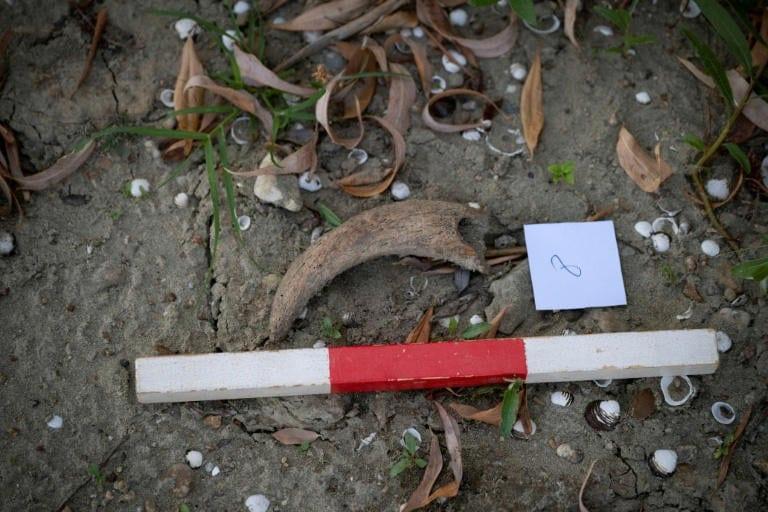
Volunteers in Bulgaria have been exploring the dried-up banks of the Danube River, uncovering a treasure trove of fossils and historical artifacts. The receding waters, a result of Europe's ongoing drought, have exposed mammoth bones, mammal remains likely to be aurochs or European bison, a horse jawbone, and fossilised oysters dating back 60 to 65 million years. The regional history museum in Ruse organized a guided search near Ryahovo, attracting around 20 volunteers. Though the primary goal was to find more mammoth fossils, the group discovered significant remains and artefacts.
The drought, exacerbated by climate change, has severely impacted Europe's rivers, causing problems for cargo shippers and nuclear plants. However, the low water levels have also revealed long-hidden historical items. In addition to the fossils found in Bulgaria, World War II shipwrecks have been discovered in Austria and Serbia. In Budapest, the remains of two German soldiers and a motorbike were found. These discoveries highlight the dual impact of the drought: both a crisis for modern infrastructure and a window into the past.
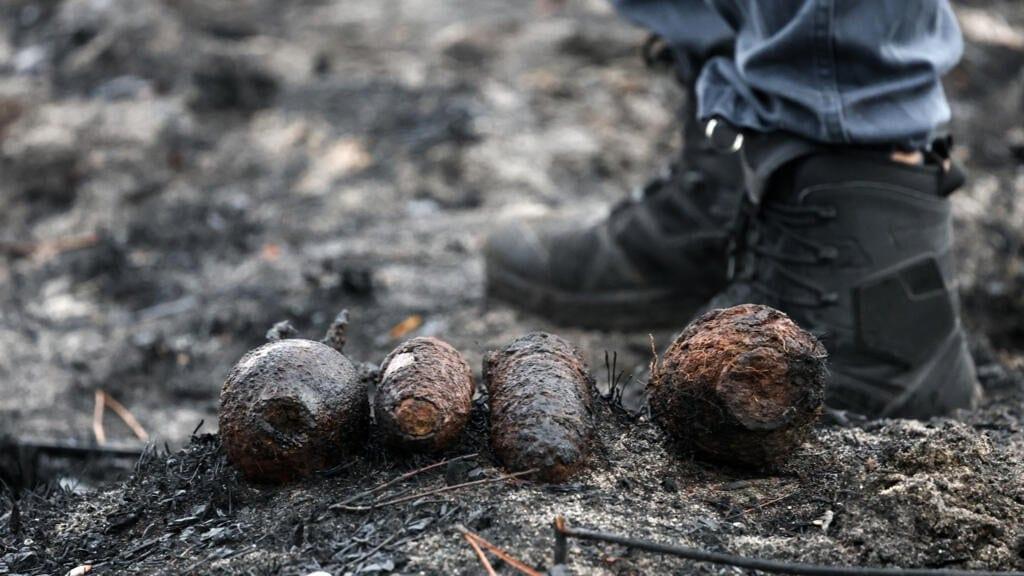
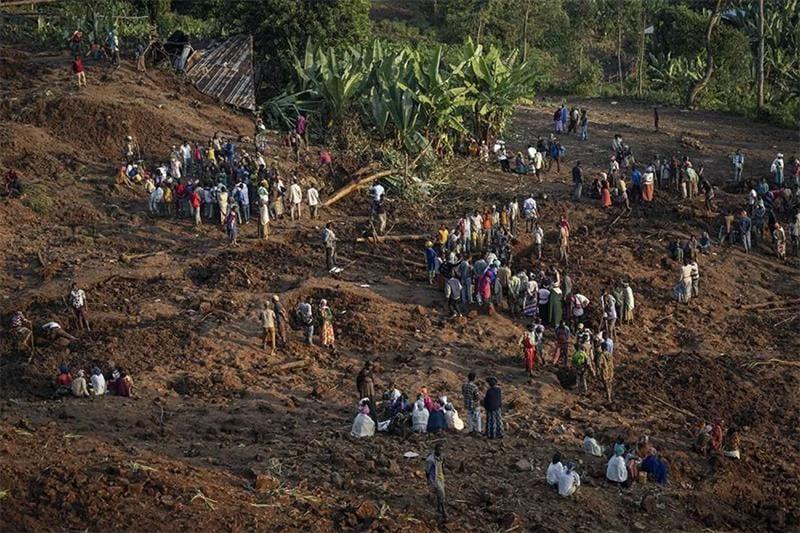
The Ruse Regional History Museum's initiative aimed to educate the public on recognizing and safely handling these finds. Curator Krasimir Kirov noted the surge in interest following the mammoth discovery, with many locals reporting their own finds. The guided search began with safety instructions, emphasizing the importance of not touching any metal objects, which could be unexploded ammunition. Despite the strict guidelines, enthusiasm often took precedence over discipline among the volunteers.
The drought has also allowed archaeologists to document the foundations of a bridge over two kilometers long, inaugurated under Emperor Constantine I in 328. Further upstream, the low Danube levels have revealed more historical artefacts, including World War II weaponry and remnants. In central Austria, two wrecks of German warships have emerged, while in Serbia, near Prahovo, the river has exposed more German warship wrecks. These findings underscore the unprecedented low water levels in Europe's largest rivers, as recorded by the European climate observatory Copernicus.
For many volunteers, the experience was a rare opportunity to connect with history. Ekaterina Yordanova, a 34-year-old psychologist, described it as a chance to feel close to history, despite the worrying state of the Danube. Vladimir Tsvyatkov, a 44-year-old business owner, brought his family for the adventure, having never seen the Danube so dried up. The initiative has sparked significant interest, with requests already pouring in for future outings.
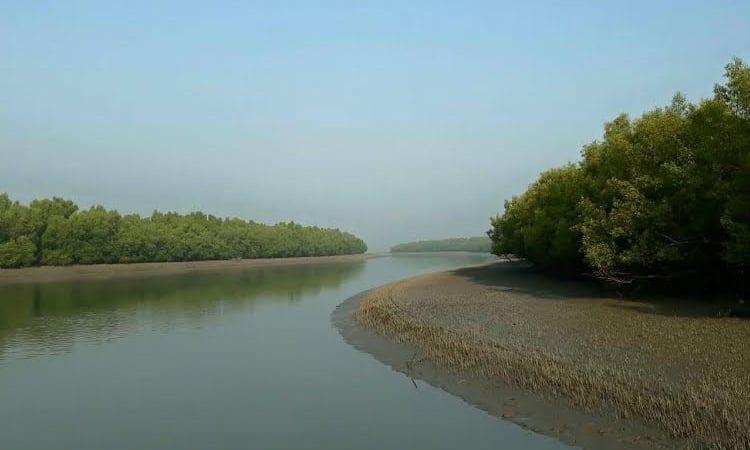
The discoveries along the Danube serve as a stark reminder of the impacts of climate change. For Bangladesh, a country highly vulnerable to climate-related disasters, these events underscore the importance of preparedness and adaptation strategies. The drought's revelations along the Danube highlight both the environmental crisis and the historical richness that can emerge from such extreme conditions.