The Pulse Today
BREAKING
Sajib Pledges Aid for 50,000 Flood-Affected People in SonargaonMP Azharul Islam Mannan Distributes Relief Funds to Needy Families in SonargaonParliament Proposes Anti-Gambling Bill with Maximum 7-Year Prison PenaltyOpenAI Unveils 'Schedule' Feature to Boost Task Management in AI ChatbotPrime Minister Tareq Rahman Arrives in Dalian, China for Economic ForumEurope Confronts Intense Heatwave; Conditions Predicted to DeteriorateGold Prices Rise Again in Bangladesh Amid Global Market IncreaseSpaceX's Nasdaq Debut Values Company at Over $2 Trillion, Surpassing AmazonStudy Reveals AI Data Centers Contribute to Local Temperature IncreasesNarayanganj BNP Youth Wing Holds Rally to Welcome New Central CommitteePakistani Girls Battle Societal Norms to Claim Their Space in BoxingDrought-Exposed Danube Reveals Ancient Fossils and Historical Artifacts in BulgariaTrump-Endorsed Graham Secures Victory in South Carolina Senate RunoffSouth Korea Scrambles Jets After Russian Military Planes Enter Air Defence ZoneAFP Journalists Attacked by Israeli Settlers in West Bank, Report Injuries and Vehicle DamageIMF Chief: Global Economy Balances Between Crises and AI OpportunitiesKhokon Urges Unity for Effective Implementation of Govt Development ProgrammesUS Reports First Measles Deaths of 2026, Highlighting Resurgence Amid Vaccination DeclineChina Announces Gradual Resumption of Cooperation in India Border TalksIndian Police Clash with Protesters Demanding Job Opportunities and Exam TransparencyRussia Dismisses French Election Meddling Claims as 'Anti-Russian Propaganda'Oman's Foreign Minister Visits Tehran to Discuss Strait of Hormuz Transit Amid Regional TensionsCIA Director John Ratcliffe's First Moscow Visit Amid Stalled Ukraine TalksPresident Emphasizes Continued Relevance of Prophet’s Farewell Hajj SermonRizvi Emphasizes Ziaur Rahman's Crucial Vision for Children's Development

IMF Chief: Global Economy Balances Between Crises and AI Opportunities

The International Monetary Fund chief likens the global economy to a 'storm-tossed vessel' amid high inflation, debt, trade wars, and the AI revolution.

By Staff Correspondent
Share
Global economy 'storm-tossed' between crises and AI opportunity: IMF chief | Business
BSS

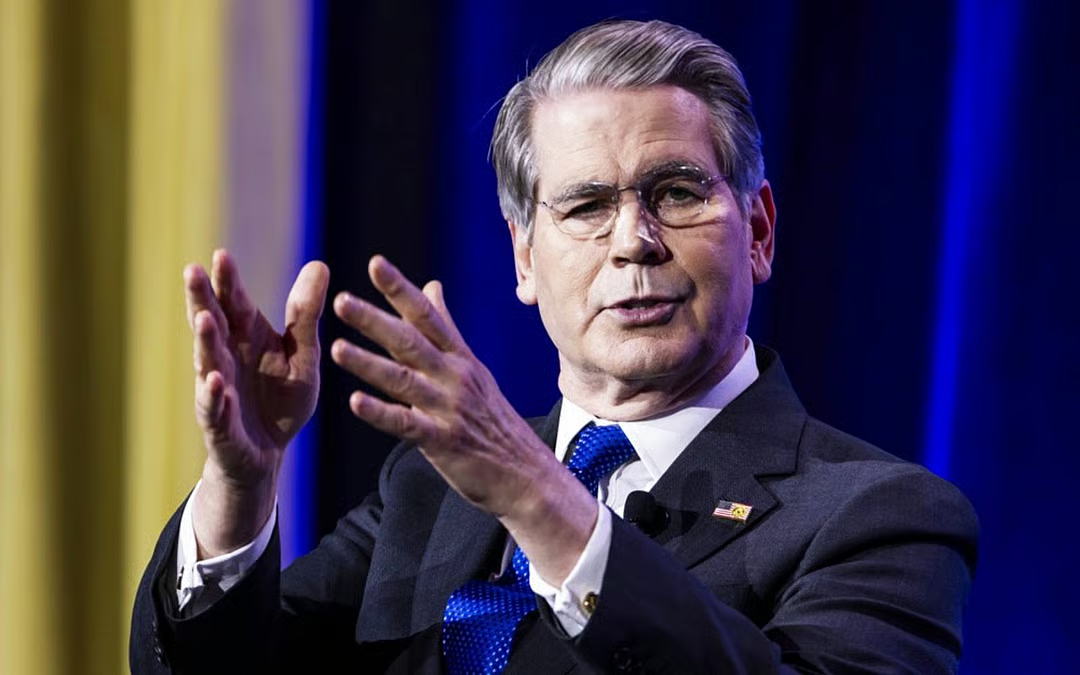
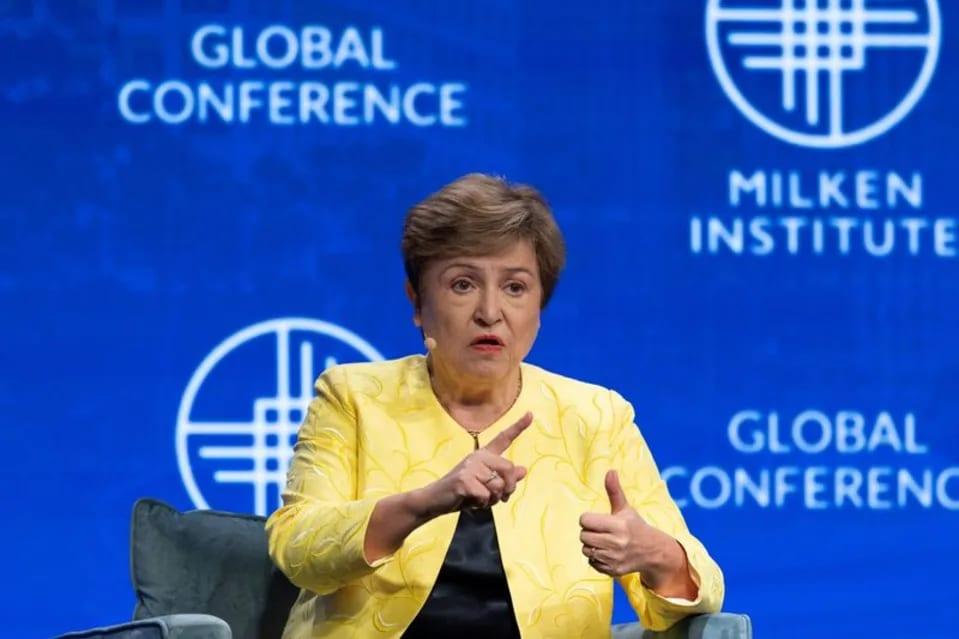
The International Monetary Fund (IMF) chief, Kristalina Georgieva, has described the global economy as a 'storm-tossed vessel,' caught between high inflation, mounting debt, and trade wars, while being propelled by the tailwinds of the AI revolution. Speaking in Washington, Georgieva noted that the global economy has weathered the energy shock caused by the closure of the Strait of Hormuz better than initially feared. However, she warned that the impact of the ongoing war in the Middle East has been 'asymmetric,' depending on countries' exposure to Gulf oil imports and their overall macroeconomic stability.

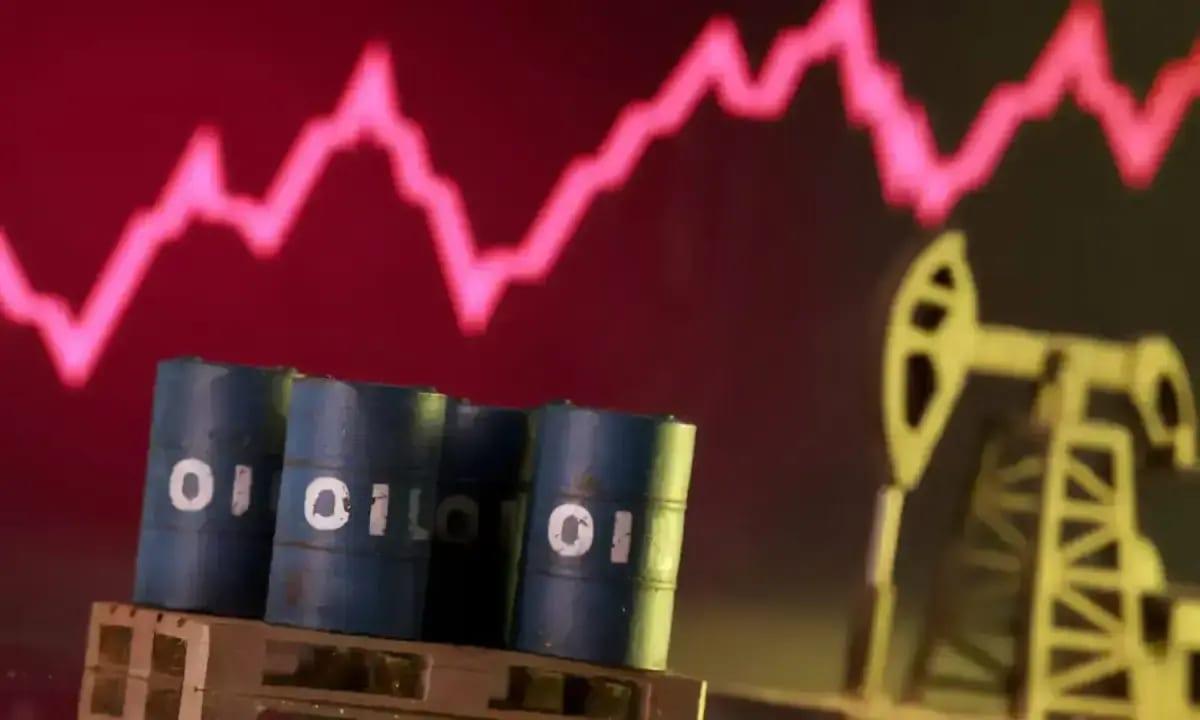
Georgieva highlighted that global inflation, driven by high energy prices, is being influenced by a 'tug of war' between the negative effects of the war and the positive demand shock from AI investments. She cautioned that with winter approaching in the northern hemisphere, energy demand will likely increase, potentially leading to a renewed rise in oil prices. This could further fuel inflation, forcing central banks to maintain a restrictive policy stance, which would have knock-on effects on debt service costs and economic activity.

Despite the challenges, Georgieva expressed optimism about the broad impact of AI on the world economy, noting that positive effects are being seen in more countries beyond just the United States. However, she warned of 'significant unknowns' regarding AI and stressed that the risk of falling behind is most profound in developing countries. Georgieva called on countries to address fiscal imbalances, especially concerning debt, and urged central banks to remain 'laser-focused' on inflation to navigate these turbulent times.

FAQ

- **What caused the energy shock in the global economy?** The energy shock was caused by the closure of the Strait of Hormuz due to the ongoing war between the United States, Israel, and Iran. This conflict has led to skyrocketing energy prices worldwide. - **How has the global economy responded to the energy shock?** The global economy has shown more resilience than initially feared, according to the IMF. However, the impact has been asymmetric, depending on countries' exposure to Gulf oil imports and their macroeconomic stability. - **What role is AI playing in the global economy?** AI is providing a positive demand shock, driving investments and economic activity. Its effects are being seen in more countries beyond the United States, though there are significant unknowns and risks, especially for developing nations. - **What are the IMF's recommendations for navigating these challenges?** The IMF urges countries to address fiscal imbalances, particularly concerning debt, and calls on central banks to remain focused on controlling inflation to mitigate the adverse effects of the current global economic conditions.
Source: BSS

FAQ

What caused the energy shock in the global economy?
The energy shock was caused by the closure of the Strait of Hormuz due to the ongoing war between the United States, Israel, and Iran. This conflict has led to skyrocketing energy prices worldwide.
How has the global economy responded to the energy shock?
The global economy has shown more resilience than initially feared, according to the IMF. However, the impact has been asymmetric, depending on countries' exposure to Gulf oil imports and their macroeconomic stability.
What role is AI playing in the global economy?
AI is providing a positive demand shock, driving investments and economic activity. Its effects are being seen in more countries beyond the United States, though there are significant unknowns and risks, especially for developing nations.
What are the IMF's recommendations for navigating these challenges?
The IMF urges countries to address fiscal imbalances, particularly concerning debt, and calls on central banks to remain focused on controlling inflation to mitigate the adverse effects of the current global economic conditions.
Topics

Comments

Related stories

More in Economy

See all →

Latest stories