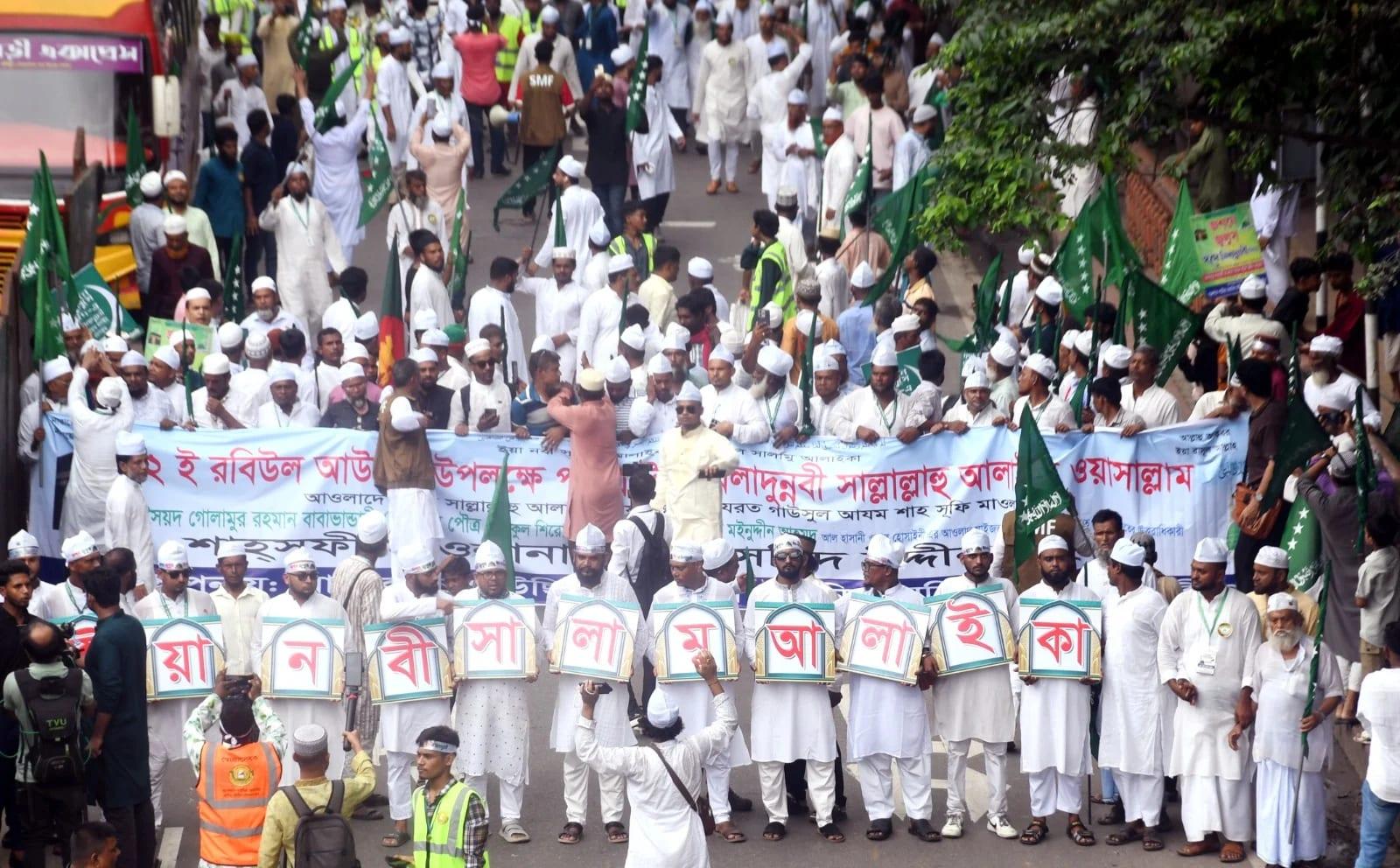
The holy Eid-e-Miladunnabi, commemorating the birth and death anniversary of Prophet Hazrat Muhammad (PBUH), was observed across Bangladesh with due religious solemnity and extensive national-level programmes. The day, which falls on the 12th of Rabiul Awal, marks a significant event in the Islamic calendar, celebrating the life and teachings of the Prophet.
National Celebrations and Messages
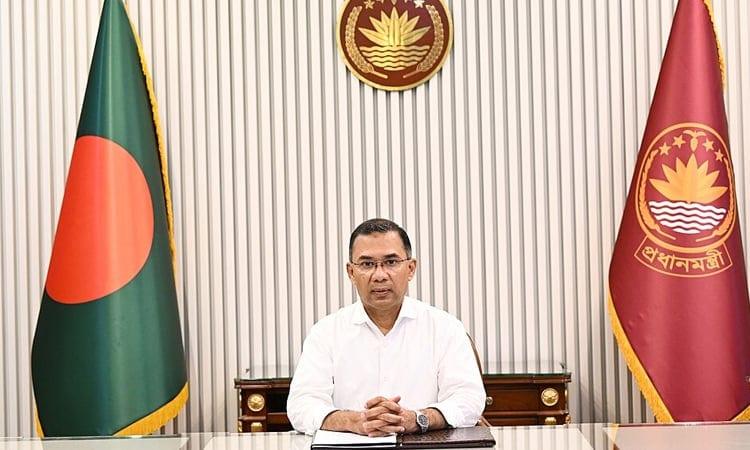
President Mirza Fakhrul Islam Alamgir and Prime Minister Tarique Rahman issued separate messages, extending greetings to Muslims across the world. The Islamic Foundation inaugurated a fortnight programme titled 'Siratunnabi (PBUH) Programme' at the Baitul Mukarram National Mosque on August 25.
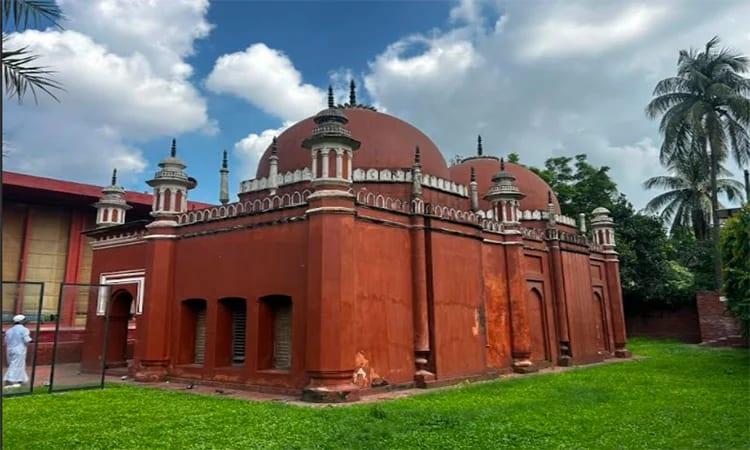
The national flag was hoisted at all government, semi-government, autonomous institutions, private establishments, and armed forces installations. Special prayers were offered at mosques nationwide, including the Bangladesh Secretariat Mosque. Bangladesh missions abroad also observed the day with due respect.
Programmes and Cultural Events
Relevant ministries and departments took special measures to maintain peace and law and order during the observance. The Islamic Foundation organized various programmes from August 25 to September 8, including Islamic sermons, seminars, discussions, and competitions in qirat, hamd-naat, recitation of self-composed poems, and Arabic essay writing.
An Islamic cultural competition with participation from school, college, university, and madrasah students was held, along with a calligraphy exhibition and a month-long Islamic book fair. Sirat souvenirs and supplementary materials were published. Renowned Islamic scholars delivered sermons daily from after Maghrib to 10:00pm during the fortnight programme.
In honor of the Prophet (PBUH), the Islamic Foundation and Bangladesh Betar jointly hosted a seminar, while Bangladesh Betar broadcast a poetry recitation event. Divisional, district, and upazila administrations, city corporations, municipalities, and the armed forces organized discussions and doa mahfils in their respective jurisdictions.
Bangladesh Television, Bangladesh Betar, and other electronic media broadcast special programmes, while newspapers published supplements on the occasion. All relevant organizations organized discussions, doa mahfils, hamd-naat, poetry recitations, cultural, and quiz competitions focusing on the life and teachings of Prophet Muhammad (PBUH) and Islam's message of peace, progress, fraternity, patience, human rights, and women's dignity.
Bangladesh Shishu Academy arranged special programmes for children, including hamd-naat, discussions, and essay competitions. Important road islands, light posts, and major city points were decorated with national and colorful flags, along with banners inscribed with the Kalima Tayyiba to mark the day. Improved diets were served at all military and civil hospitals, prisons, government orphanages, child development centers, and old-age homes.