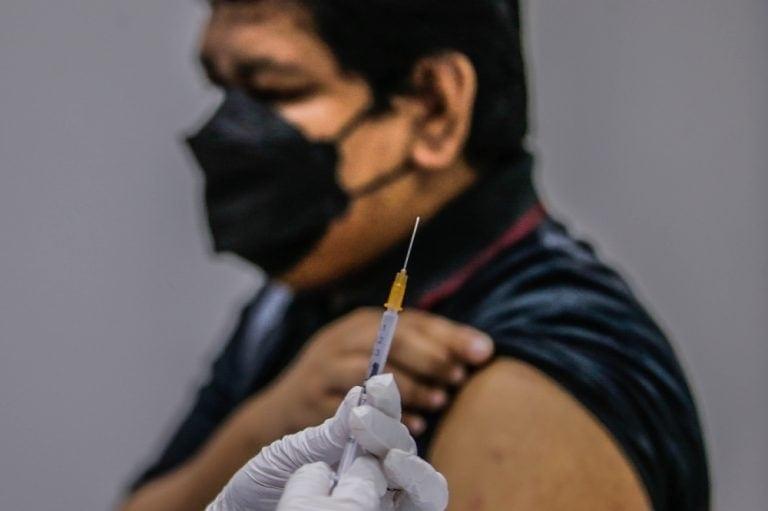
The European Union is set to evaluate an experimental vaccine for Lyme disease, a tick-borne illness affecting millions worldwide. Developed by Pfizer and French-Swiss firm Valneva, the vaccine demonstrated a 70% efficacy rate in individuals aged five and above, according to its developers. Despite earlier setbacks, the European Medicines Agency has accepted the vaccine's application for approval, marking a significant milestone for the pharmaceutical companies.
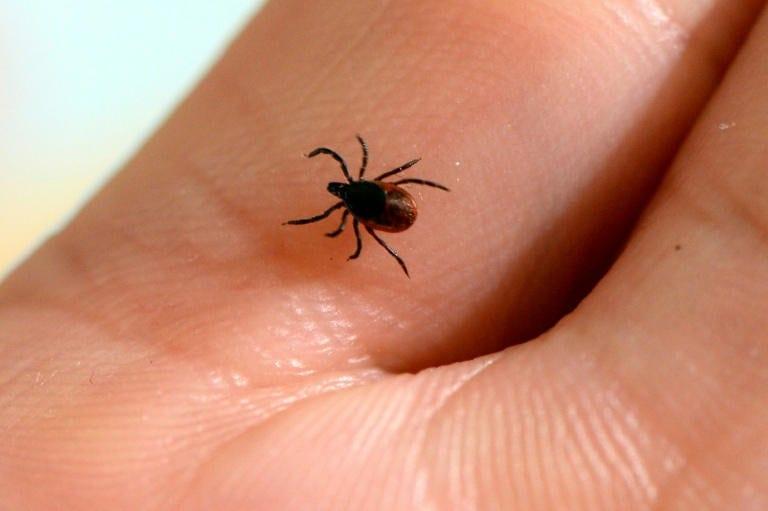
Lyme disease, caused by infected tick bites, can lead to rashes, flu-like symptoms, and in severe cases, neurological issues. While generally not fatal, the disease poses a serious health threat, particularly in Europe where over 200 million people reside in high-risk areas. Annaliesa Anderson, Pfizer's chief vaccines officer, emphasized the potential of vaccination in providing an additional protective layer against this debilitating disease.
The vaccine, known as PF-07307405, follows a 2022 study that revealed over 14% of the global population had been affected by Lyme disease. With climate change expected to increase transmission rates due to longer, drier summers, the development of an effective vaccine is seen as crucial. Valneva's CEO, Thomas Lingelbach, highlighted the importance of this approval for the millions living in Lyme disease risk areas across Europe.
Shares in Valneva experienced a significant surge in early trading on the Paris stock exchange following the announcement, reflecting the potential market impact of the vaccine. For regions like Bangladesh, where tick-borne diseases are also prevalent, the development and approval of such a vaccine could have broader implications for public health strategies and disease control.