The yen has continued to strengthen, moving closer to a 2026 high against the dollar as investors increasingly bet on interest rate hikes by the Bank of Japan (BoJ). This rally comes amid rising inflation and expectations of accelerated monetary tightening. The Japanese currency has gained over four percent against the US dollar in the past week, with Monday's gains partly attributed to thin liquidity due to US markets being closed for a holiday.
A joint intervention by Japanese and US authorities at the end of July had initially propelled the yen from a four-decade low of nearly 164 per dollar, though it began to weaken until last week when traders started buying it up again. On Tuesday, the yen briefly touched 152.89, nearing the 152.10 level seen in February, its highest point this year.
Investors are now closely watching US consumer price data due on Friday, which could influence the Federal Reserve's decision on its own rates. Recent blockbuster US jobs figures have increased the likelihood of a Fed rate hike, with the CME Group's FedWatch tool indicating a more than 60 percent chance of such a move. Additionally, a spike in oil prices towards $100, driven by Middle East tensions, is adding pressure on the US central bank.
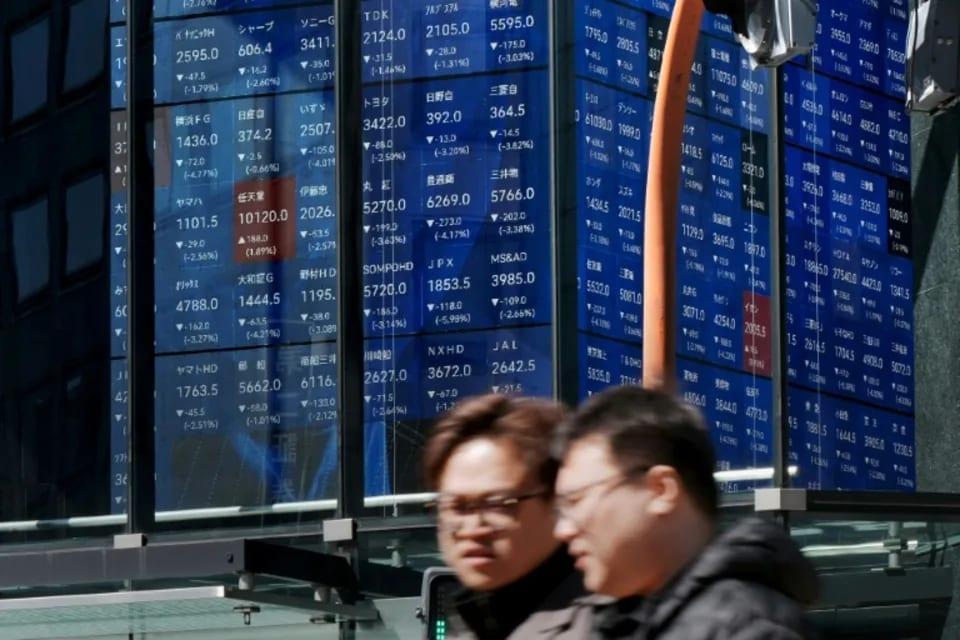
Despite the prospect of higher US rates weighing on equity sentiment, the tech sector has seen a strong rally. South Korean chipmakers SK hynix and Samsung led the gains, rising by four percent and 2.5 percent respectively. Japanese firms Kioxia, SoftBank, and Advantest, as well as Taiwan's TSMC, also saw significant increases. This helped the Kospi in Seoul rise by around two percent, though gains on the Nikkei in Tokyo were tempered by losses among exporters affected by the strong yen.
Markets in Taipei, Shanghai, Manila, and Jakarta also saw gains, while Hong Kong, Sydney, Singapore, and Wellington experienced losses. Investors are now looking ahead to earnings from tech giant Oracle on Thursday, which could provide further insights into the outlook for the AI boom.
The strengthening yen and the tech sector's performance are significant for global markets, reflecting broader economic trends and investor sentiment. For Bangladesh, these developments highlight the interconnectedness of global financial markets and the potential impact on local investments and trade, particularly in technology and export-oriented sectors.