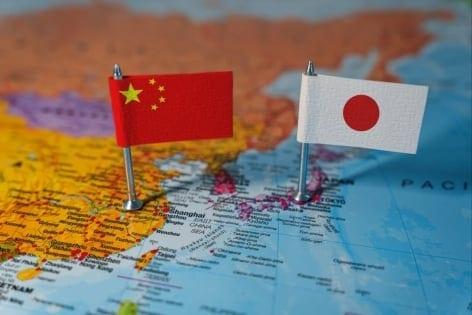
China has started charging deposits on imports of dichlorosilane, a crucial chipmaking chemical, from Japan. This move follows an anti-dumping investigation by the Chinese commerce ministry, which found evidence that Japanese imports were being dumped, causing significant damage to China's domestic dichlorosilane industry. As a result, China implemented temporary anti-dumping measures in the form of a security deposit starting Tuesday.
Background and Investigation
The Chinese commerce ministry announced an anti-dumping investigation into dichlorosilane imported from Japan in January 2026. This investigation was launched amid heightened diplomatic tensions between China and Japan, particularly after Japanese Prime Minister Sanae Takaichi suggested that Tokyo may intervene in an attack on Taiwan, which Beijing claims as its territory. The ministry's probe concluded that the Japanese imports were indeed being dumped, leading to substantial damage to China's domestic industry.
Dichlorosilane is a vital chemical used in the manufacturing of semiconductors, making it a critical component in the global tech supply chain. The Chinese decision to impose deposits on these imports is expected to have significant implications for both Japanese exporters and the broader semiconductor industry.
Implications and Reactions
Japanese firms are required to pay an extra fee, calculated using an assigned deposit collection rate, to China's customs authority. All Japanese firms are subject to a rate of 99.2 percent, with the exception of Tokyo-based Denal Silane, which was given a rate of 80.8 percent. A spokesman for Japanese chemical conglomerate Shin-Etsu Chemical stated that the firm is studying the measure but declined to discuss financial details, noting that dichlorosilane exports represent a small portion of their business and should have no material impact on their overall operations.
Minoru Kihara, the Japanese government's chief cabinet secretary, announced that Tokyo would 'appropriately respond to China's export control measures' and has lodged a strong protest, formally requesting that these measures be withdrawn. The Chinese commerce ministry has not specified how long the imported chemical will be subject to deposits or when it will announce a final ruling.
This development underscores the complex interplay between trade, diplomacy, and technology in the semiconductor industry. As global demand for semiconductors continues to rise, any disruptions in the supply chain can have far-reaching consequences. For Bangladesh, which is increasingly integrating into the global tech supply chain, understanding these dynamics is crucial for navigating future trade and diplomatic challenges.