The Pulse Today
BREAKING
Sajib Pledges Aid for 50,000 Flood-Affected People in SonargaonMP Azharul Islam Mannan Distributes Relief Funds to Needy Families in SonargaonParliament Proposes Anti-Gambling Bill with Maximum 7-Year Prison PenaltyOpenAI Unveils 'Schedule' Feature to Boost Task Management in AI ChatbotPrime Minister Tareq Rahman Arrives in Dalian, China for Economic ForumEurope Confronts Intense Heatwave; Conditions Predicted to DeteriorateGold Prices Rise Again in Bangladesh Amid Global Market IncreaseSpaceX's Nasdaq Debut Values Company at Over $2 Trillion, Surpassing AmazonStudy Reveals AI Data Centers Contribute to Local Temperature IncreasesNarayanganj BNP Youth Wing Holds Rally to Welcome New Central CommitteeOman Navy Rescues Crew from Saudi Tanker Attacked in Strait of HormuzCommerce Minister and US Envoy Explore Strategies to Enhance Trade and InvestmentMbappe Addresses Ballon d'Or Speculation Following Historic World Cup PerformanceNepal Declares National Mourning for Flood Victims, Hope Persists for MissingOxford's Pitt Rivers Museum to Repatriate Human Remains to Naga CommunityBangladesh Navigates Foreign Debt Servicing Amid Legacy Loan ChallengesRecord Heatwaves and Drought Push French Wine Harvest to 70-Year LowUS Diesel Prices Reach Record High Due to Gulf Refinery DisruptionsMuktadir: Bangladesh's Company Law to be Modernised for Current NeedsMetLife Bangladesh Introduces 360Health Score for Enhanced Digital Wellness in Mobile AppBangladesh Bank Approves 131 Collateral Valuation Firms to Ensure Reliable Bank Loan AssessmentsSammilito Islami Bank Starts Deposit Repayments; Branches Mark the Occasion11 Climbers Killed, 6 Missing in Avalanche on Russia's Caucasus MountainsChattogram Customs Surpasses Tk 600cr in Auction Earnings by June 2026Tiafoe Topples Medvedev in Straight Sets at US Open

Oxford's Pitt Rivers Museum to Repatriate Human Remains to Naga Community

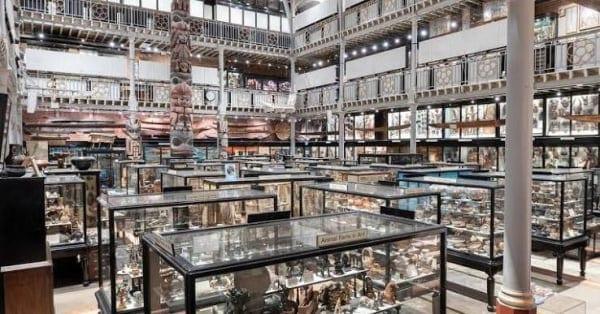
Oxford University's Pitt Rivers Museum has agreed to return the remains of 39 individuals taken during Britain's colonial era to the Naga community in northeast India.

By Staff Correspondent
Share
Oxford University museum to return human remains to Naga people | International
BSS

Oxford University's Pitt Rivers Museum has agreed to return the remains of 39 individuals taken during Britain's colonial era to the Naga community in northeast India. The museum, which holds the world's largest collection of Naga artefacts, confirmed it was preparing the repatriation after the university approved a restitution request by the Forum for Naga Reconciliation (FNR). The remains, collected in the early 20th century by British colonial administrators, have been away from their homeland for far too long, according to museum director Laura Van Broekhoven. The human remains were collected in the early 20th century by British colonial administrators and some remained on public display until 2020.

The request covered 40 sets of human remains, but Oxford University approved the return of 39 of them on July 13, concluding that one specimen 'does not have a clear provenance as Naga'. The museum said it was 'working closely' with the Naga community to agree a date for a handover ceremony, which hasn't been set yet. This agreement forms part of a wider international movement to repatriate artifacts and human remains acquired by Western institutions during the colonial era.

In 2022, London's Horniman Museum returned 72 artifacts to Nigeria, including 12 Benin bronze artefacts, and earlier this year the University of Edinburgh returned the skulls of six people to a Native American group. Greece has for decades demanded the return from Britain of the Parthenon Marbles, saying they were looted in the early 19th century by Lord Elgin, British ambassador to the Ottoman Empire. London insists they were legally acquired and successive British governments have noted that the decision rests with the British Museum, where they are kept.

FAQs

Q: Why is the return of these remains significant for the Naga community? A: The repatriation of these remains is significant for the Naga community because it represents the return of ancestral memory and cultural heritage. For the Nagas, it is not just about the physical remains but also about the restoration of their cultural and historical identity.

Q: What is the Forum for Naga Reconciliation (FNR)? A: The Forum for Naga Reconciliation (FNR) is an organization that works towards peace and reconciliation among the Naga people. It played a key role in submitting the restitution request to Oxford University for the return of the human remains.

Q: How does this repatriation fit into the broader movement for the return of colonial artifacts? A: This repatriation is part of a wider international movement to return artifacts and human remains acquired by Western institutions during the colonial era. Similar actions have been taken by other museums and universities, reflecting a growing recognition of the need to address historical injustices and return cultural heritage to its rightful owners.

Source: BSS

FAQ

Why is the return of these remains significant for the Naga community?
The repatriation of these remains is significant for the Naga community because it represents the return of ancestral memory and cultural heritage. For the Nagas, it is not just about the physical remains but also about the restoration of their cultural and historical identity.
What is the Forum for Naga Reconciliation (FNR)?
The Forum for Naga Reconciliation (FNR) is an organization that works towards peace and reconciliation among the Naga people. It played a key role in submitting the restitution request to Oxford University for the return of the human remains.
How does this repatriation fit into the broader movement for the return of colonial artifacts?
This repatriation is part of a wider international movement to return artifacts and human remains acquired by Western institutions during the colonial era. Similar actions have been taken by other museums and universities, reflecting a growing recognition of the need to address historical injustices and return cultural heritage to its rightful owners.
Topics

Comments

Related stories

More in World

See all →

Latest stories